
Choosing the Best Residential Architecture Solutions
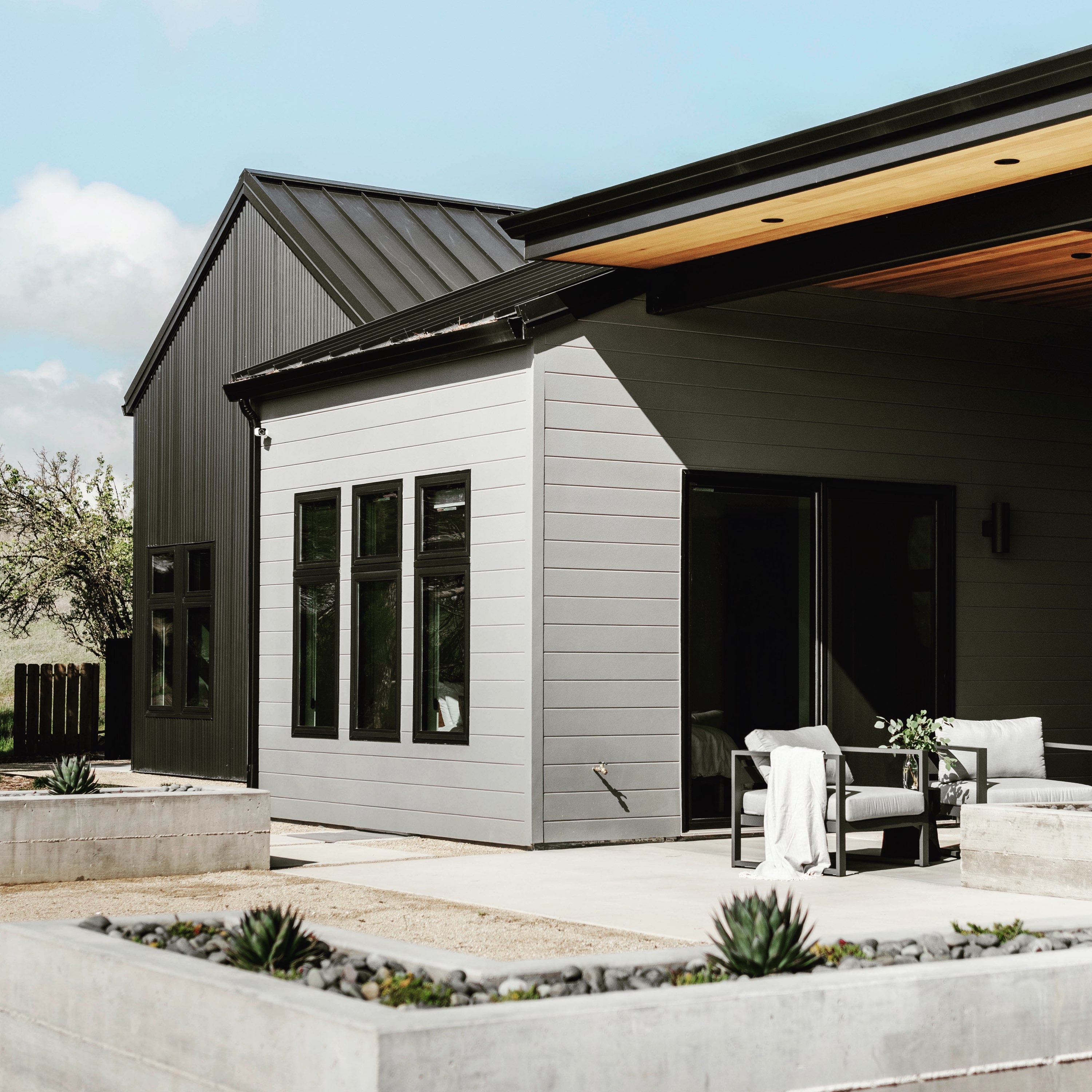
Selecting the right architectural partner is a critical step in any residential construction or renovation project. The architectural design not only shapes the aesthetic appeal of a home but also influences its functionality, sustainability, and long-term value. Given the complexity and significance of these factors, it is essential to approach the decision with a clear understanding of what constitutes excellent residential architecture solutions.
Understanding Residential Architecture Solutions
Residential architecture solutions encompass a broad range of services aimed at designing and planning homes that meet the specific needs and preferences of clients. These solutions integrate creativity with technical expertise to deliver structures that are both visually appealing and structurally sound.
When evaluating potential architects, it is important to consider their experience with various residential styles, their ability to incorporate modern technologies, and their understanding of local building codes and environmental considerations. For example, a firm with extensive knowledge of California’s seismic regulations and climate-responsive design will be better equipped to deliver a home that is safe, comfortable, and energy-efficient.

Key Factors in Selecting Residential Architecture Solutions
Choosing the best residential architecture solutions requires a methodical approach. Several factors should be prioritized to ensure the final outcome aligns with the client’s vision and practical requirements.
1. Portfolio and Expertise
Reviewing an architect’s portfolio provides insight into their design style and versatility. It is advisable to select a firm that demonstrates proficiency in a variety of residential projects, from single-family homes to multi-unit developments. Expertise in sustainable design and innovative construction methods is also a valuable asset.
2. Client Collaboration and Communication
Effective communication is fundamental to a successful architectural project. The chosen firm should be willing to engage in detailed discussions, listen attentively to client needs, and provide clear explanations of design options and constraints. This collaborative approach helps avoid misunderstandings and ensures the project progresses smoothly.
3. Integration of Construction Knowledge
An architect’s understanding of construction processes and development challenges can significantly enhance project outcomes. Firms that combine architectural creativity with practical construction insight are better positioned to anticipate potential issues, optimize budgets, and streamline timelines.
4. Local Experience and Compliance
Familiarity with local regulations, zoning laws, and environmental standards is essential. Architects with regional experience can navigate permitting processes more efficiently and design homes that comply with all legal requirements, reducing the risk of costly delays.
Evaluating Design and Functionality
The design phase is where creativity meets practicality. It is important to assess how well an architect balances aesthetic appeal with functional considerations.
Customization and Flexibility
The best residential architecture solutions offer tailored designs that reflect the client’s lifestyle and preferences. Flexibility in design allows for future modifications and expansions, which is particularly important for growing families or evolving needs.
Sustainable and Energy-Efficient Design
Incorporating sustainable materials and energy-efficient systems is increasingly important. Architects should be able to recommend solutions such as passive solar design, high-performance insulation, and renewable energy integration to reduce environmental impact and lower operating costs.
Space Optimization
Effective use of space enhances comfort and usability. Architects should demonstrate skill in creating layouts that maximize natural light, ensure smooth circulation, and provide adequate storage without compromising on style.

The Role of Technology in Residential Architecture Solutions
Advancements in technology have transformed architectural design and project management. Utilizing modern tools can improve accuracy, visualization, and client engagement.
Building Information Modeling (BIM)
BIM allows architects to create detailed 3D models that integrate structural, mechanical, and electrical systems. This technology facilitates better coordination among stakeholders and helps identify potential conflicts before construction begins.
Virtual Reality and Visualization
Virtual reality tools enable clients to experience their future home in an immersive environment. This capability enhances decision-making by providing a realistic sense of space, materials, and lighting.
Project Management Software
Efficient project management software supports scheduling, budgeting, and communication, ensuring that projects stay on track and within budget.
Making the Final Decision
After thorough evaluation, the final selection should be based on a combination of factors including expertise, communication, design philosophy, and technological capability. It is advisable to request detailed proposals and conduct interviews to clarify expectations and confirm compatibility.
Recommendations for Engaging with an Architect
Request references and visit completed projects if possible.
Clarify scope and fees upfront to avoid surprises.
Establish clear milestones and deliverables.
Ensure the contract includes provisions for changes and dispute resolution.
By following these guidelines, clients can secure residential architecture solutions that not only meet but exceed their expectations.
Enhancing the Building Experience with Expert Architecture
Choosing the right architectural firm is a strategic investment in the quality and success of a residential project. Firms like Studio Prime Architecture (SP-ARC) exemplify the integration of high-end design with deep construction and development knowledge. Their approach elevates the entire building experience, particularly for clients in California and the western United States.
Engaging with a firm that understands the nuances of local conditions and combines creativity with technical expertise ensures that the final home is both beautiful and resilient. For those seeking comprehensive residential architecture services, partnering with a knowledgeable and experienced architect is essential to achieving a successful outcome.

By carefully considering the factors outlined above, clients can confidently select residential architecture solutions that align with their vision, budget, and long-term goals. This measured approach fosters a productive collaboration and results in homes that stand the test of time.


Comments