
Elevating Spaces with Indoor Space Design
- John Bellisario
- Feb 23
- 4 min read
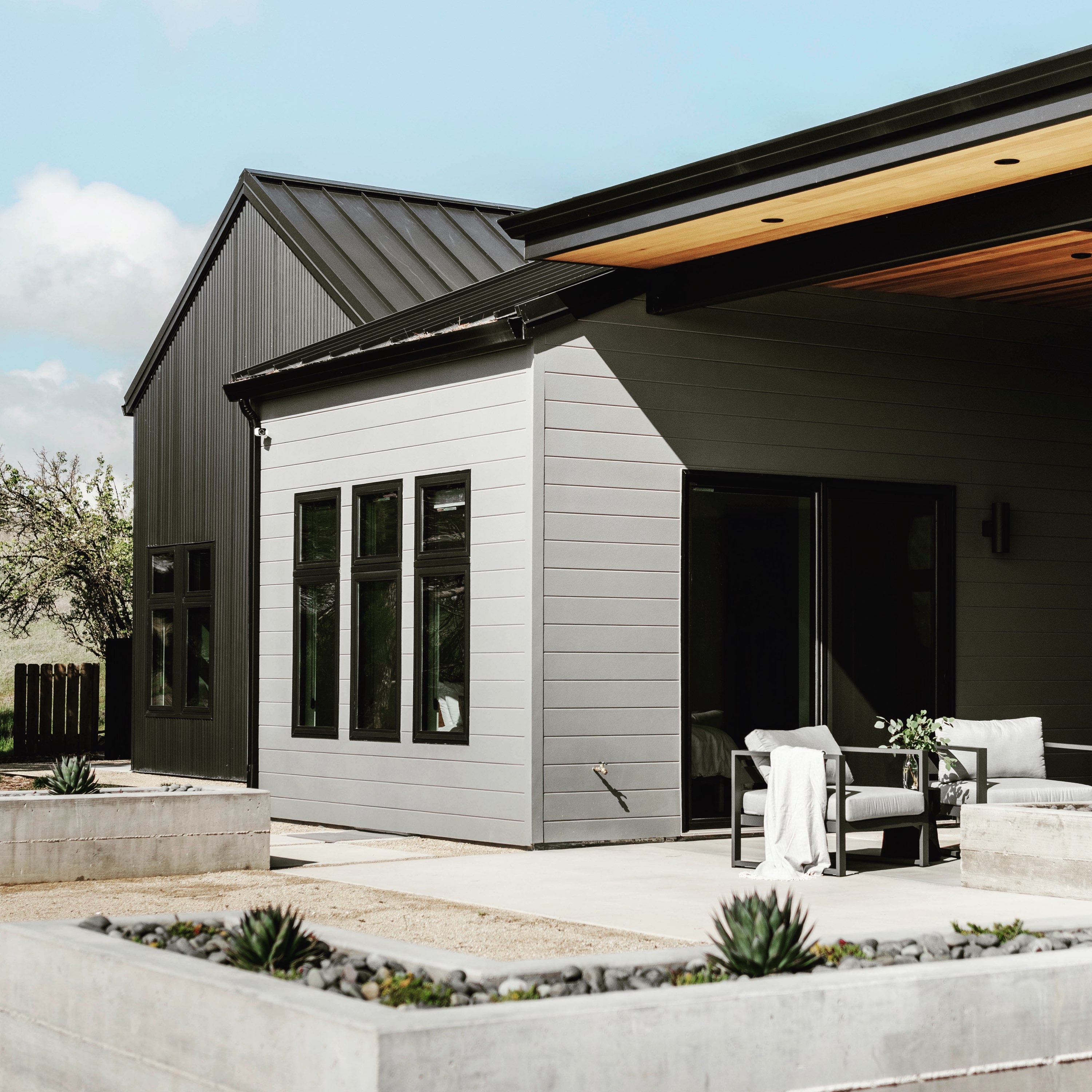
The design of indoor spaces plays a crucial role in shaping the experience of those who inhabit them. It is not merely about aesthetics but also about functionality, comfort, and the seamless integration of form and purpose. Through thoughtful indoor space design, environments can be transformed to meet the evolving needs of users while enhancing the overall architectural integrity of a building. This article explores the principles and practices that elevate spaces, focusing on the strategic approach to indoor environments.
The Importance of Indoor Space Design in Architecture
Indoor space design is a fundamental aspect of architectural projects, whether residential or commercial. It involves the careful planning and arrangement of interior elements to optimize usability and visual appeal. Effective indoor space design considers factors such as spatial flow, lighting, acoustics, and material selection. These elements contribute to creating environments that are not only visually pleasing but also conducive to productivity, relaxation, or social interaction.
For example, in a commercial office setting, the layout must support collaboration while providing private areas for focused work. In residential projects, indoor space design prioritizes comfort and personalization, ensuring that each room serves its intended function efficiently. The integration of sustainable materials and energy-efficient systems further enhances the value of indoor spaces, aligning with contemporary environmental standards.

Key Principles of Indoor Space Design
Successful indoor space design relies on several core principles that guide the planning and execution process. These principles ensure that spaces are both functional and aesthetically coherent.
Spatial Organization: The arrangement of rooms and furniture should facilitate easy movement and logical use of space. Zoning areas for different activities helps in maintaining order and clarity.
Lighting: Natural and artificial lighting must be balanced to enhance visibility and mood. Proper lighting design can highlight architectural features and improve energy efficiency.
Materiality: The choice of materials affects the texture, color, and durability of interiors. Selecting appropriate finishes contributes to the overall ambiance and maintenance requirements.
Acoustics: Sound control is essential, especially in commercial environments. Acoustic treatments can reduce noise pollution and improve comfort.
Ergonomics: Designing for human comfort and accessibility ensures that spaces accommodate diverse users, including those with mobility challenges.
Incorporating these principles requires a multidisciplinary approach, often involving collaboration between architects, interior designers, and engineers. This collaboration ensures that indoor spaces are not only beautiful but also structurally sound and compliant with building codes.
What's the difference between an architect and an interior architect?
Understanding the distinction between an architect and an interior architect is essential when considering the design and development of indoor spaces. An architect primarily focuses on the overall structure, including the building’s form, exterior, and integration with its environment. Their responsibilities encompass site planning, structural integrity, and compliance with zoning laws.
In contrast, an interior architect specializes in the design and functionality of interior environments. This role bridges the gap between architecture and interior design, emphasizing the spatial layout, material selection, and user experience within the building. Interior architects often work on renovations, adaptive reuse projects, and detailed interior planning that aligns with the architectural framework.
While both professions require a deep understanding of design principles and technical knowledge, interior architects concentrate on optimizing indoor spaces to enhance usability and aesthetic appeal. Their expertise ensures that interiors are not afterthoughts but integral components of the architectural vision.

Practical Recommendations for Elevating Indoor Spaces
To elevate indoor spaces effectively, several practical strategies can be implemented. These recommendations are grounded in industry best practices and aim to maximize the potential of any interior environment.
Conduct a thorough needs assessment: Understanding the specific requirements of the space’s users is critical. This includes analyzing daily activities, occupancy levels, and future adaptability.
Prioritize natural light: Whenever possible, design layouts that allow sunlight to penetrate deep into the interior. This reduces reliance on artificial lighting and improves occupant well-being.
Incorporate flexible furniture and layouts: Modular and movable furniture can adapt to changing needs, supporting multifunctional spaces.
Use color and texture thoughtfully: Colors influence mood and perception of space. Neutral palettes can create a sense of calm, while accent colors add interest and define zones.
Integrate technology seamlessly: Smart lighting, climate control, and audiovisual systems enhance comfort and efficiency without disrupting the design.
Focus on sustainability: Select eco-friendly materials and energy-efficient systems to reduce environmental impact and operational costs.
Implementing these strategies requires careful planning and coordination with all stakeholders involved in the project. The goal is to create indoor environments that are not only visually compelling but also responsive to the practical demands of their users.
The Role of Technology in Modern Indoor Space Design
Advancements in technology have significantly influenced the field of indoor space design. Digital tools and software enable precise modeling, visualization, and simulation of interior environments before construction begins. This capability allows designers to experiment with layouts, lighting conditions, and material finishes in a virtual setting, reducing errors and enhancing decision-making.
Building Information Modeling (BIM) is one such technology that integrates architectural, structural, and mechanical data into a single platform. BIM facilitates collaboration among architects, engineers, and interior designers, ensuring that all aspects of the project are aligned.
Additionally, smart building technologies contribute to the functionality of indoor spaces. Automated lighting, climate control, and security systems improve user comfort and operational efficiency. These technologies can be tailored to the specific needs of residential or commercial projects, providing a customized experience.
The integration of technology in indoor space design exemplifies the evolving nature of the discipline, where innovation meets practicality to elevate the built environment.
Final Thoughts on Enhancing Indoor Environments
Elevating indoor spaces requires a comprehensive approach that balances aesthetics, functionality, and sustainability. By applying the principles of indoor space design and leveraging modern technologies, it is possible to create environments that enhance the quality of life and support the objectives of any project.
The collaboration between architects, interior architects, and other professionals is essential to achieving these outcomes. Through meticulous planning and execution, indoor spaces can be transformed into dynamic, efficient, and inspiring places.
For those seeking to elevate their spaces, engaging with experienced professionals who understand the nuances of design and construction is advisable. This partnership ensures that every detail is considered, resulting in interiors that are both beautiful and enduring.
Studio Prime Architecture (SP-ARC) exemplifies this integrated approach, offering high-end architectural design services informed by deep construction and development knowledge. Their expertise supports clients in California and the western US in realizing projects that elevate the entire building experience.


Comments