
Enhancing Spaces with Functional Interior Design and Interior Architecture
- John Bellisario
- Apr 20
- 4 min read
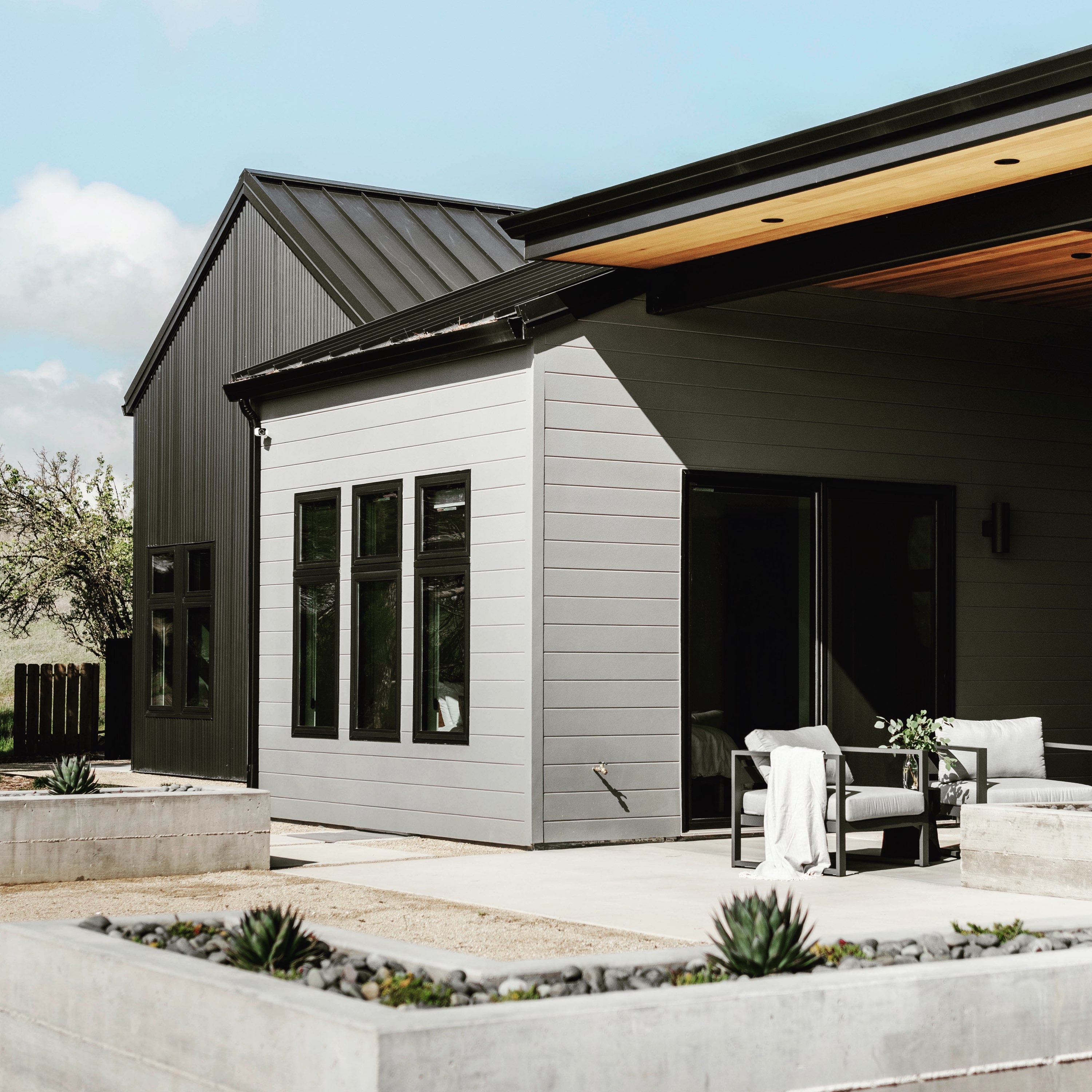
The design of interior spaces plays a crucial role in shaping how environments are experienced and utilized. Functional interior design is not merely about aesthetics; it involves a strategic approach to optimizing space, improving usability, and enhancing the overall quality of life within residential and commercial settings. This article explores the principles and applications of functional interior design, the distinctions between interior designers and interior architects, and practical strategies for elevating spaces through thoughtful design.
The Importance of Functional Interior Design in Modern Spaces
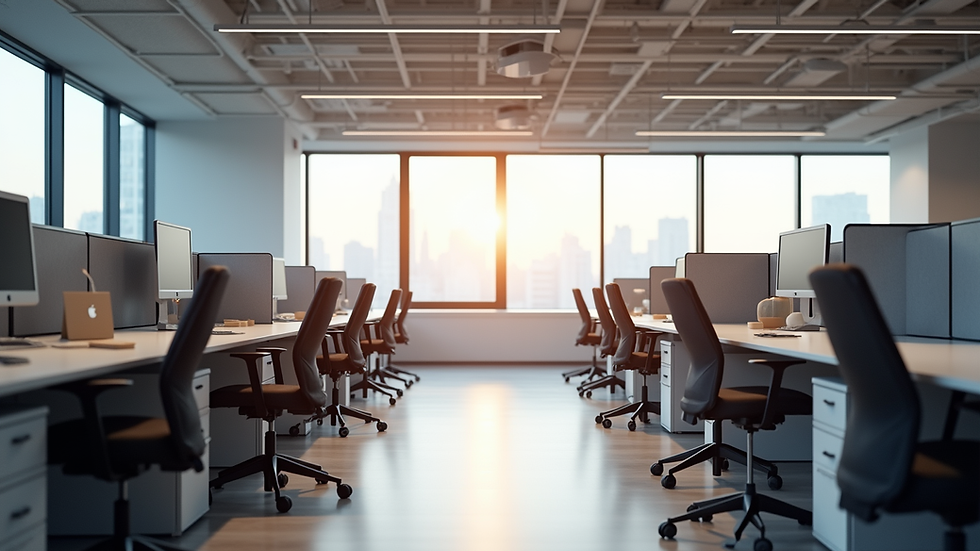
Functional interior design prioritizes the practical use of space while maintaining an appealing visual environment. It addresses the needs of occupants by creating layouts that facilitate movement, maximize natural light, and incorporate ergonomic considerations. For example, in a commercial office, functional design might include modular workstations that can be reconfigured easily to support collaboration or privacy as needed. In residential settings, it could involve optimizing storage solutions to reduce clutter and improve daily living efficiency.
Key elements of functional interior design include:
Space Planning: Arranging furniture and fixtures to promote flow and accessibility.
Lighting Design: Utilizing natural and artificial light to enhance comfort and productivity.
Material Selection: Choosing durable, easy-to-maintain materials that suit the intended use.
Ergonomics: Designing spaces that support physical well-being and reduce strain.
By integrating these elements, spaces become more than just visually pleasing; they become environments that support the activities and lifestyles of their users.
Practical Applications of Functional Interior Design
Implementing functional interior design requires a comprehensive understanding of the space’s purpose and the needs of its users. For instance, in retail environments, the layout must guide customers naturally through the store while highlighting key products. This can be achieved through strategic placement of displays, clear signage, and unobstructed pathways.
In residential projects, functional design often involves multi-purpose rooms that adapt to changing needs. A guest room might double as a home office, with furniture that folds away or serves dual functions. Kitchen design is another critical area where functionality is paramount; efficient work triangles between the sink, stove, and refrigerator can significantly improve usability.
Some actionable recommendations for enhancing functionality include:
Conducting User Analysis: Understanding who will use the space and how.
Incorporating Flexible Elements: Using movable partitions or adjustable furniture.
Maximizing Storage: Integrating built-in cabinets and hidden compartments.
Optimizing Circulation: Ensuring clear and logical pathways throughout the space.
These strategies contribute to creating environments that are adaptable, efficient, and comfortable.
Is there a difference between an interior designer and an interior architect?
The distinction between an interior designer and an interior architect often causes confusion, yet it is significant in the context of space enhancement. Interior designers primarily focus on the aesthetics and functionality of interior spaces, including color schemes, furniture selection, and decorative elements. Their work typically does not involve structural changes.
Interior architects, on the other hand, engage with the spatial and structural aspects of interiors. They may alter walls, ceilings, and floors to improve the spatial experience and functionality. This role requires a deeper understanding of building codes, construction methods, and architectural principles.
For example, when a project involves reconfiguring the layout by removing or adding walls, an interior architect is typically required. They ensure that such modifications comply with safety standards and integrate seamlessly with the building’s overall structure.
Understanding this difference is essential for clients seeking comprehensive design services that encompass both aesthetic and structural improvements.

Integrating Interior Architecture for Comprehensive Space Enhancement
The integration of interior architecture into design projects allows for a holistic approach to space enhancement. Interior architecture bridges the gap between architecture and interior design by addressing both the structural and aesthetic components of a space.
This approach is particularly valuable in complex projects such as commercial developments or high-end residential renovations. It ensures that design decisions are informed by construction knowledge and development considerations, leading to more efficient and sustainable outcomes.
For instance, an interior architect might specify custom-built elements that align with the building’s structural framework, optimizing both form and function. They also coordinate with engineers and contractors to ensure that design intentions are realized without compromising safety or budget.
By incorporating interior architecture, spaces are transformed in ways that elevate the user experience while maintaining architectural integrity.
Strategies for Elevating Commercial and Residential Spaces
To enhance both commercial and residential environments effectively, several strategies can be employed:
Emphasize Natural Light: Use large windows, skylights, and reflective surfaces to increase daylight penetration.
Incorporate Sustainable Materials: Select eco-friendly and locally sourced materials to reduce environmental impact.
Focus on Acoustics: Implement sound-absorbing materials and design layouts that minimize noise pollution.
Create Zones: Define areas for specific activities to improve organization and flow.
Leverage Technology: Integrate smart systems for lighting, climate control, and security to enhance convenience and efficiency.
For commercial clients, these strategies can improve employee productivity and customer satisfaction. For residential clients, they contribute to comfort, health, and long-term value.
The Role of Studio Prime Architecture in Delivering High-End Design
Studio Prime Architecture (SP-ARC) specializes in delivering architectural services that combine high-end design with deep construction and development expertise. Their approach ensures that every project is not only visually compelling but also structurally sound and functionally optimized.
By focusing on the western US market, particularly California, SP-ARC addresses regional considerations such as seismic safety, climate responsiveness, and local building regulations. This regional expertise is critical in achieving designs that are both innovative and compliant.
Clients benefit from a seamless process where design and construction knowledge converge, resulting in spaces that meet aesthetic aspirations and practical requirements.
Advancing Space Design with Thoughtful Planning and Execution
The enhancement of interior spaces through functional interior design and interior architecture requires careful planning and execution. It involves collaboration among architects, designers, engineers, and clients to ensure that all aspects of the project align with the intended goals.
Key steps in this process include:
Initial Consultation: Defining project scope, objectives, and budget.
Concept Development: Creating design concepts that balance form and function.
Technical Documentation: Preparing detailed plans and specifications.
Construction Oversight: Monitoring the building process to maintain quality and adherence to design.
Post-Occupancy Evaluation: Assessing the effectiveness of the design in real-world use.
This structured approach minimizes risks and maximizes the potential for successful outcomes.
The thoughtful integration of functional interior design principles and interior architecture can significantly enhance the usability, comfort, and aesthetic appeal of both commercial and residential spaces. By prioritizing practical solutions alongside design excellence, spaces are transformed into environments that support and enrich the lives of their occupants.


Comments