
Enhancing Spaces with Interior Architectural Design
- John Bellisario
- Jan 5
- 5 min read
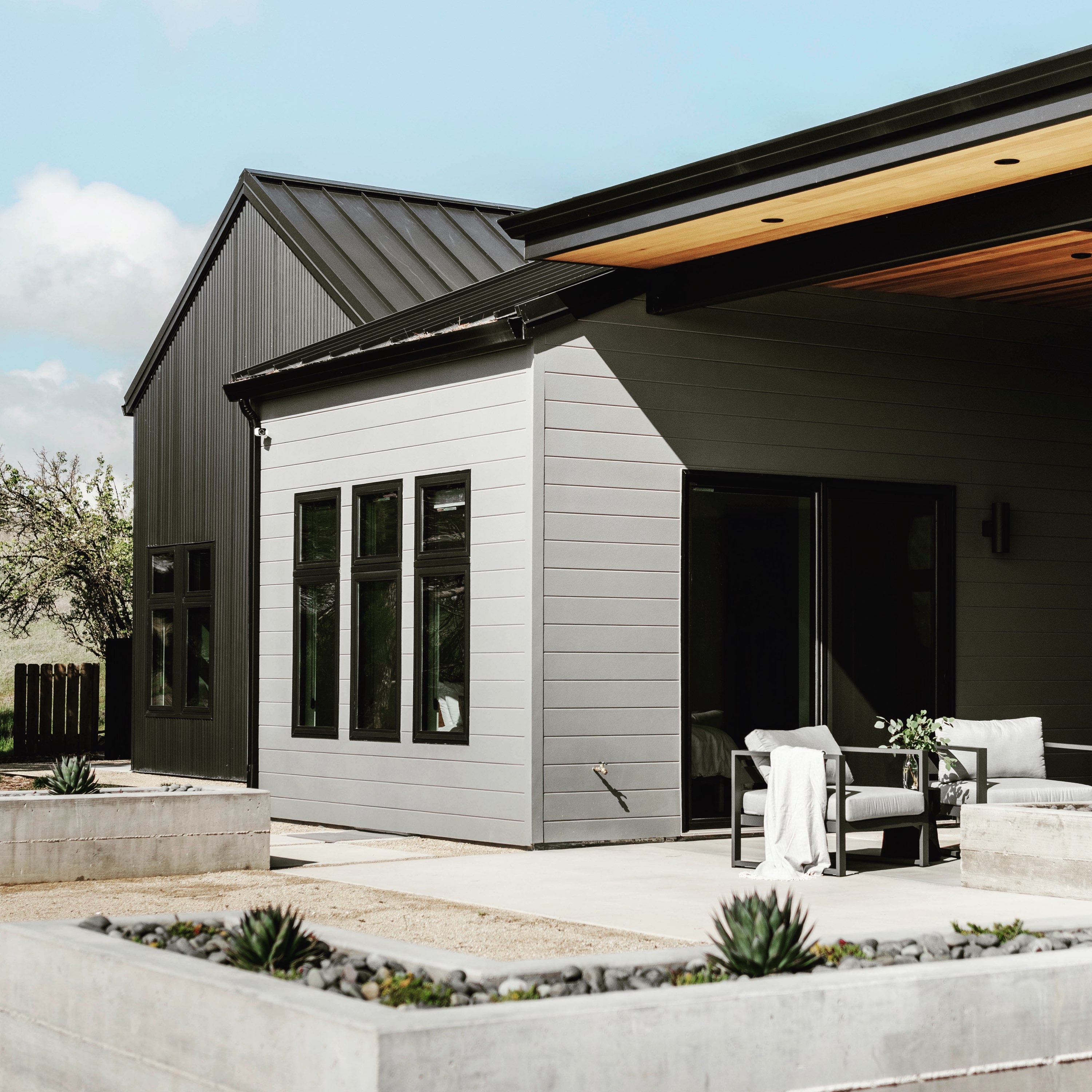
The process of enhancing spaces through architectural design involves a comprehensive understanding of both form and function. It requires a careful balance between aesthetics and practicality to create environments that are not only visually appealing but also highly functional. This article explores the principles and applications of interior architectural design, emphasizing how it can transform residential and commercial spaces to meet the evolving needs of occupants and stakeholders.
The Role of Interior Architectural Design in Space Enhancement
Interior architectural design plays a pivotal role in shaping the character and usability of a space. It goes beyond mere decoration by integrating structural elements, spatial planning, and material selection to optimize the environment. This discipline addresses the interaction between the built environment and its users, ensuring that spaces are conducive to their intended purposes.
For example, in a commercial office setting, interior architectural design might involve the strategic placement of partitions to create collaborative zones while maintaining privacy. In residential projects, it could mean reconfiguring layouts to improve natural light penetration and circulation. The goal is to enhance the overall experience of the space through thoughtful design interventions.
Key considerations in interior architectural design include:
Spatial organization: Efficient use of available space to maximize functionality.
Materiality: Selection of materials that complement the design intent and durability requirements.
Lighting: Integration of natural and artificial lighting to enhance ambiance and usability.
Acoustics: Managing sound within spaces to improve comfort and privacy.
Sustainability: Incorporating eco-friendly materials and energy-efficient systems.
These elements collectively contribute to creating environments that are both aesthetically pleasing and operationally effective.

Principles Guiding Interior Architectural Design
The foundation of effective interior architectural design lies in adhering to established principles that govern spatial quality and user experience. These principles ensure that design solutions are coherent, functional, and responsive to context.
Functionality and Flexibility
Spaces must serve their intended functions efficiently. Flexibility is also crucial, allowing spaces to adapt to changing needs over time. For instance, modular furniture and movable partitions can facilitate reconfiguration in commercial environments, supporting diverse activities without extensive renovations.
Proportion and Scale
The relationship between different elements within a space affects its perception. Proper proportion and scale ensure that rooms feel balanced and comfortable. Oversized furniture in a small room can create a cramped feeling, while appropriately scaled elements contribute to harmony.
Circulation and Flow
Effective circulation paths enable smooth movement within a space. Designers must consider how occupants navigate through rooms, avoiding bottlenecks and ensuring accessibility. Clear sightlines and logical pathways enhance usability and safety.
Aesthetic Cohesion
Visual consistency through color schemes, textures, and architectural details reinforces the identity of a space. Cohesion supports a unified experience, whether in a corporate lobby or a residential living area.
Integration with Architecture
Interior architectural design must complement the building’s overall architecture. Structural features such as columns, beams, and windows should be incorporated thoughtfully to maintain architectural integrity.
By applying these principles, designers can create spaces that are not only beautiful but also practical and enduring.
What's the difference between an architect and an interior architect?
Understanding the distinction between an architect and an interior architect is essential when considering a project that involves spatial enhancement. While both professions contribute to the built environment, their scopes and focuses differ.
An architect primarily concentrates on the overall design and construction of buildings. This includes site planning, structural systems, building codes, and exterior aesthetics. Architects are responsible for the building’s form, function, and compliance with regulations.
In contrast, an interior architect specializes in the design of interior spaces with an emphasis on architectural elements. This role bridges the gap between architecture and interior design by addressing structural modifications, spatial planning, and the integration of building systems within interiors. Interior architects often work on projects that require alterations to existing structures or the creation of new interior environments that align with architectural standards.
For example, in a renovation project, an interior architect might redesign the layout to improve flow and functionality while ensuring that changes comply with structural limitations. They may specify finishes, lighting, and built-in elements that enhance the space’s usability and aesthetic appeal.
Both professionals collaborate closely, but the interior architect’s expertise lies in optimizing interior environments through architectural interventions.

Practical Applications of Interior Architectural Design in Commercial and Residential Projects
The application of interior architectural design varies depending on the project type, but the underlying objective remains consistent: to enhance the spatial experience.
Commercial Projects
In commercial architecture, interior architectural design addresses the needs of businesses and their clients. This includes offices, retail spaces, hospitality venues, and healthcare facilities. Key considerations include:
Brand identity: Design elements that reflect the company’s image and values.
User experience: Creating environments that support productivity, comfort, and engagement.
Compliance: Adhering to accessibility standards and safety regulations.
Technology integration: Incorporating infrastructure for modern communication and automation systems.
For instance, a corporate office might feature open workspaces combined with private meeting rooms, ergonomic furniture, and advanced lighting controls to enhance employee well-being and efficiency.
Residential Projects
In residential settings, interior architectural design focuses on creating comfortable, functional, and aesthetically pleasing living environments. This involves:
Space optimization: Making the most of available square footage through smart layouts.
Customization: Tailoring design elements to the homeowner’s lifestyle and preferences.
Sustainability: Using energy-efficient materials and systems to reduce environmental impact.
Comfort: Enhancing thermal, acoustic, and visual comfort.
An example would be a kitchen renovation that opens the space to the dining area, improving flow and social interaction while incorporating durable surfaces and energy-efficient appliances.
In both commercial and residential projects, the integration of interior architectural design ensures that spaces are thoughtfully crafted to meet specific needs.
Strategies for Implementing Interior Architectural Design Effectively
Successful implementation of interior architectural design requires a systematic approach that encompasses planning, collaboration, and execution.
Comprehensive Needs Assessment
Understanding the client’s requirements, budget, and timeline is fundamental. This involves detailed discussions and site analysis to identify opportunities and constraints.
Collaborative Design Process
Engaging all stakeholders, including architects, engineers, contractors, and clients, fosters a cohesive design solution. Regular communication ensures alignment and timely resolution of issues.
Detailed Documentation
Accurate drawings, specifications, and schedules guide the construction and installation phases. This documentation minimizes errors and facilitates quality control.
Material and Finish Selection
Choosing appropriate materials that meet aesthetic, functional, and sustainability criteria is critical. Samples and mock-ups can assist in decision-making.
Quality Construction and Installation
Close supervision during construction ensures that design intent is realized. Skilled craftsmanship and adherence to standards contribute to the durability and performance of the space.
Post-Occupancy Evaluation
Assessing the space after completion provides valuable feedback for future projects. It helps identify successes and areas for improvement.
By following these strategies, interior architectural design can be executed efficiently, resulting in spaces that fulfill their intended purposes and exceed expectations.
Advancing Building Experiences through Interior Architectural Design
The integration of interior architecture into the design process elevates the overall building experience. It bridges the gap between structural design and interior functionality, ensuring that spaces are not only visually compelling but also responsive to user needs.
Studio Prime Architecture (SP-ARC) exemplifies this approach by combining high-end architectural design with deep construction and development knowledge. This synergy enables the firm to deliver projects that are meticulously crafted from concept through completion, particularly within California and the western United States.
The future of architectural design lies in such holistic methodologies that prioritize both the macro and micro aspects of space creation. By embracing interior architectural design principles, developers and businesses can achieve environments that enhance productivity, comfort, and aesthetic value.

The continuous evolution of design technologies and materials further supports this advancement, allowing for innovative solutions that respond to contemporary challenges. As the demand for sophisticated, functional spaces grows, the role of interior architectural design will become increasingly central to successful architectural projects.


Comments