
Innovative Commercial Design: Modern Commercial Architecture for Business Growth
- John Bellisario
- May 13
- 4 min read
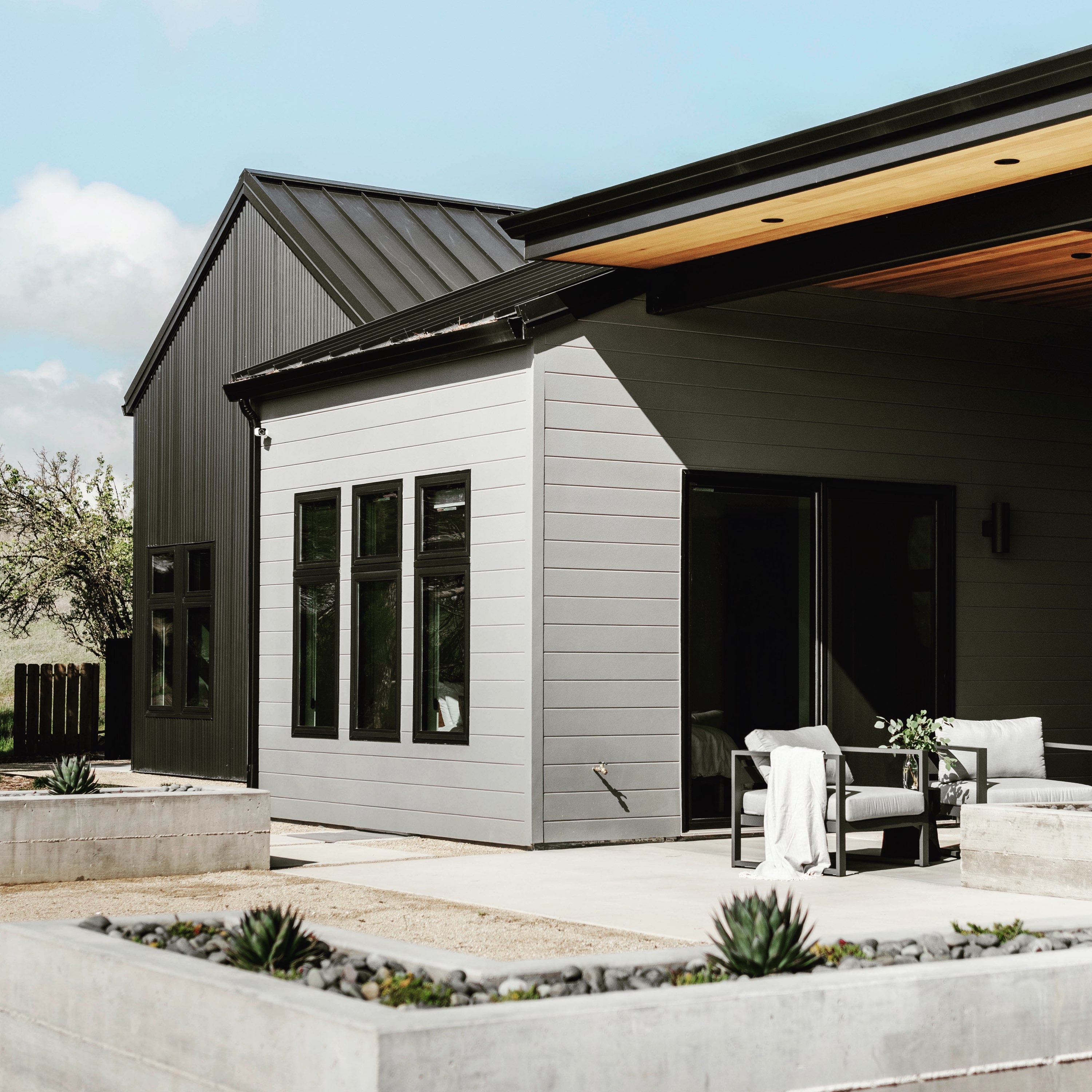
In the evolving landscape of business, the physical environment plays a crucial role in shaping success. The design and architecture of commercial spaces are no longer mere backdrops but active contributors to business growth. This article explores how innovative commercial design can drive business performance, enhance brand identity, and improve operational efficiency. Drawing on industry insights and practical examples, it aims to provide a comprehensive understanding of the strategic value embedded in architectural choices.
The Role of Innovative Commercial Design in Business Success
Innovative commercial design transcends aesthetics; it integrates functionality, sustainability, and technology to create environments that support business objectives. A well-designed commercial space can influence customer perceptions, employee productivity, and overall operational effectiveness.
For example, open-plan layouts encourage collaboration among employees, fostering creativity and faster problem-solving. Incorporating natural light and green spaces has been shown to reduce stress and increase well-being, which in turn enhances workforce performance. Additionally, flexible spaces that can be adapted for various uses allow businesses to respond quickly to changing market demands.
From a branding perspective, architectural elements such as façade design, materials, and interior finishes communicate a company’s values and market positioning. A technology firm might opt for sleek, minimalist designs with cutting-edge materials, while a retail business may prioritize inviting, customer-friendly layouts.
Key Elements of Innovative Commercial Design
Several critical components define innovative commercial design. Understanding these elements helps businesses and developers make informed decisions that align with their goals.
Functionality and Flexibility
Commercial spaces must accommodate diverse activities and evolving needs. Designing with modular furniture, movable partitions, and multi-purpose rooms ensures adaptability. For instance, a conference room can double as a training area or event space, maximizing utility without additional construction.
Sustainability and Energy Efficiency
Sustainable design is no longer optional but essential. Incorporating energy-efficient systems, such as LED lighting, solar panels, and smart HVAC controls, reduces operational costs and environmental impact. Use of recycled or locally sourced materials further enhances sustainability credentials.
Technology Integration
Modern commercial architecture increasingly incorporates technology to improve user experience and operational control. Automated lighting, climate control, and security systems enhance comfort and safety. Additionally, integrating high-speed connectivity and smart building management systems supports digital workflows and remote monitoring.
Aesthetic Appeal and Brand Identity
Visual elements must align with the company’s brand and culture. Color schemes, textures, and architectural styles should be selected to reinforce brand messaging. For example, a financial institution might choose a classic, solid design to convey stability, while a creative agency may opt for bold, unconventional forms.

Practical Recommendations for Implementing Innovative Commercial Design
Implementing innovative commercial design requires a strategic approach that balances creativity with practicality. The following recommendations provide actionable guidance:
Conduct a Needs Assessment
Begin by analyzing business operations, employee workflows, and customer interactions. Identify pain points and opportunities for improvement.
Engage Experienced Architects and Designers
Collaborate with professionals who understand both design and construction. Their expertise ensures that concepts are feasible and aligned with regulatory requirements.
Prioritize User Experience
Design spaces that are intuitive and comfortable for occupants. Consider accessibility, wayfinding, and ergonomic factors.
Incorporate Sustainable Practices
Evaluate energy consumption patterns and select materials and systems that minimize environmental impact.
Plan for Future Growth
Design with scalability in mind. Flexible layouts and infrastructure that support technological upgrades will accommodate expansion.
Leverage Technology
Integrate smart building technologies to enhance efficiency and security.
Maintain Brand Consistency
Ensure that architectural elements reflect the company’s identity and values.
Case Studies Demonstrating the Impact of Innovative Commercial Design
Examining real-world examples illustrates how innovative commercial design contributes to business growth.
Case Study 1: Tech Startup Headquarters
A technology startup in California commissioned a design that emphasized open spaces, natural light, and collaborative zones. The architects incorporated adjustable workstations and breakout areas to foster creativity. The building’s energy-efficient systems reduced utility costs by 30%. As a result, employee satisfaction increased, and the company reported higher productivity levels.
Case Study 2: Retail Chain Flagship Store
A national retail chain redesigned its flagship store with a focus on customer experience. The layout was optimized for easy navigation, and interactive digital displays were integrated. Sustainable materials were used throughout, enhancing the brand’s eco-friendly image. Sales increased by 20% within six months of reopening.

The Strategic Advantage of Modern Commercial Architecture
The integration of modern commercial architecture into business planning offers a strategic advantage. It aligns physical infrastructure with corporate goals, enabling companies to adapt to market changes and technological advancements efficiently.
By investing in innovative design, businesses can:
Enhance brand reputation through distinctive and sustainable buildings
Improve employee retention and performance by creating supportive work environments
Reduce operational costs via energy-efficient systems and flexible layouts
Increase customer engagement through thoughtful spatial design
These benefits collectively contribute to long-term business growth and resilience.
Advancing Business Growth Through Architectural Excellence
The pursuit of architectural excellence is a critical component of business strategy. It requires a comprehensive understanding of design principles, construction processes, and market dynamics. By prioritizing innovative commercial design, businesses position themselves to thrive in competitive environments.
Studio Prime Architecture (SP-ARC) exemplifies this approach by combining high-end design with deep construction and development knowledge. Their expertise ensures that projects not only meet aesthetic standards but also deliver practical value throughout the building lifecycle.
In summary, the thoughtful application of innovative commercial design principles fosters environments that support operational efficiency, brand differentiation, and sustainable growth. Businesses and developers seeking to elevate their projects should consider these factors carefully to maximize their investment and impact.


Comments