
Mastering the Art of Architectural Design
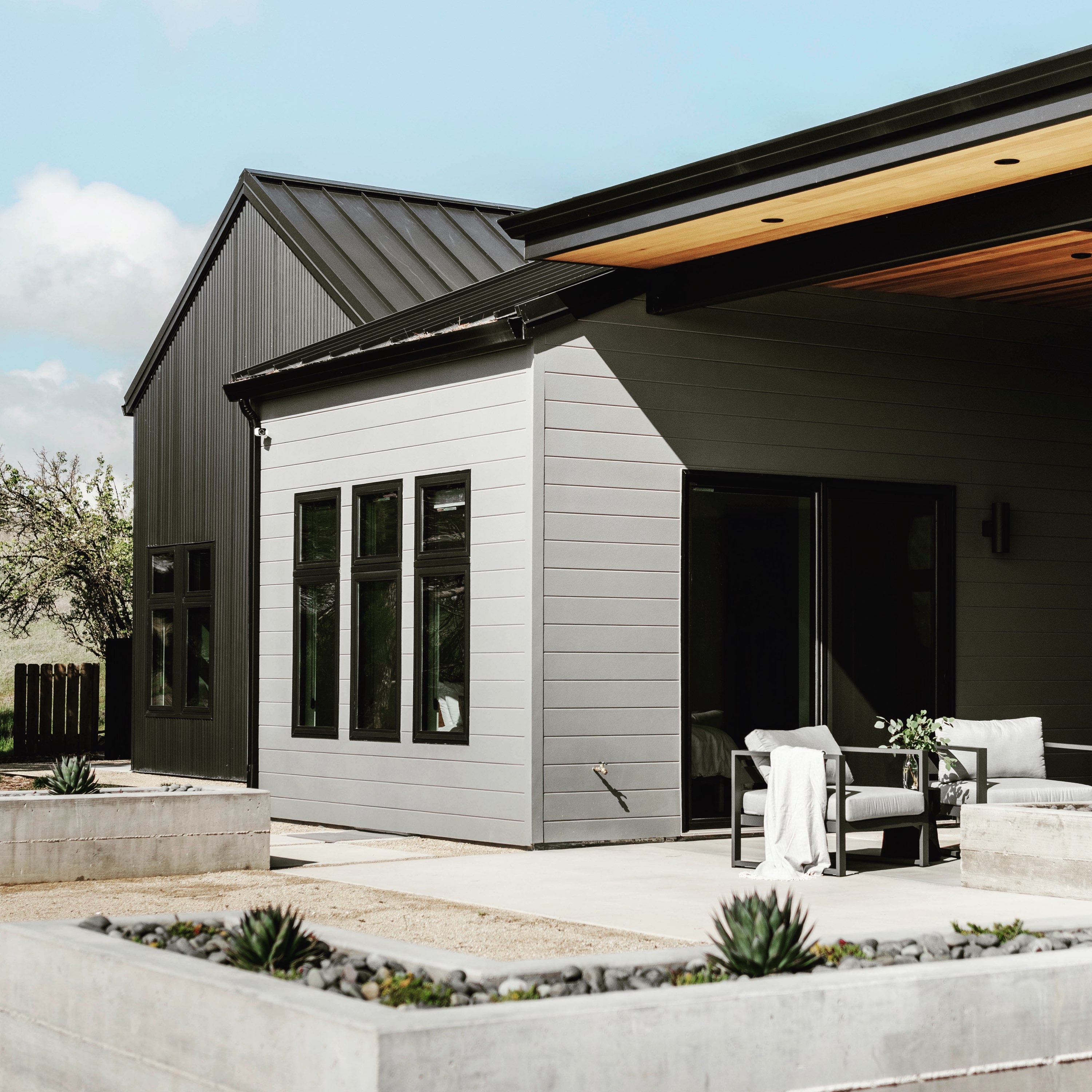
Architectural design is a discipline that combines creativity, technical knowledge, and practical application to shape the built environment. Mastery in this field requires a comprehensive understanding of both aesthetic principles and functional requirements. It is a process that demands precision, foresight, and a deep appreciation for the interplay between form and function. This article explores the essential elements of architectural design, offering insights and guidance for those seeking to elevate their projects through expert design practices.
Understanding the Fundamentals of Architectural Design
Architectural design begins with a clear comprehension of the project's purpose and context. It involves the careful consideration of site conditions, client needs, regulatory constraints, and environmental factors. A successful design balances these elements to create spaces that are not only visually appealing but also practical and sustainable.
Key components of architectural design include:
Spatial organization: Arranging spaces to optimize flow and usability.
Material selection: Choosing appropriate materials for durability, aesthetics, and environmental impact.
Structural integrity: Ensuring the building can withstand physical forces and comply with safety standards.
Environmental responsiveness: Incorporating energy-efficient systems and sustainable practices.
For example, when designing a commercial office building, one must consider natural light penetration, ventilation, and accessibility to enhance occupant comfort and productivity. Similarly, residential projects require attention to privacy, security, and the integration of indoor and outdoor living spaces.

The Role of Architectural Design in Project Success
Architectural design serves as the blueprint for the entire construction process. It translates abstract ideas into detailed plans that guide contractors, engineers, and developers. Effective design minimizes costly revisions and delays by anticipating challenges early in the project lifecycle.
A well-executed design also adds value by:
Enhancing aesthetic appeal, which can increase property value.
Improving functionality, leading to better user experience.
Reducing operational costs through energy-efficient solutions.
Facilitating compliance with local building codes and zoning laws.
In practice, this means that a thoughtfully designed retail space can attract more customers and generate higher revenue, while a carefully planned residential complex can offer residents greater comfort and lower utility bills.
What are the 7 Different Types of Architecture?
Understanding the various types of architecture is crucial for tailoring design approaches to specific project requirements. The seven primary types include:
Residential Architecture: Focuses on homes and living spaces, emphasizing comfort, privacy, and personalization.
Commercial Architecture: Encompasses office buildings, retail stores, and other business-related structures, prioritizing functionality and brand identity.
Industrial Architecture: Involves factories, warehouses, and manufacturing plants, designed for efficiency and safety.
Institutional Architecture: Includes schools, hospitals, and government buildings, requiring adherence to strict regulations and accessibility standards.
Landscape Architecture: Deals with outdoor spaces, parks, and gardens, integrating natural elements with built environments.
Urban Design: Concerns the planning of cities and neighborhoods, focusing on infrastructure, transportation, and community needs.
Sustainable Architecture: Emphasizes eco-friendly materials and energy-saving technologies to minimize environmental impact.
Each type demands specialized knowledge and techniques. For instance, sustainable architecture often incorporates solar panels, green roofs, and rainwater harvesting systems to reduce a building’s carbon footprint.

Practical Strategies for Mastering Architectural Design
Achieving mastery in architectural design requires a combination of education, experience, and continuous learning. The following strategies can enhance one’s proficiency:
Engage in comprehensive research: Study site conditions, climate data, and cultural context to inform design decisions.
Utilize advanced software tools: Employ CAD, BIM, and 3D modeling to visualize and refine designs.
Collaborate with multidisciplinary teams: Work closely with engineers, contractors, and clients to ensure cohesive project delivery.
Prioritize sustainability: Integrate energy-efficient systems and environmentally responsible materials.
Focus on user experience: Design spaces that meet the functional and emotional needs of occupants.
Stay updated on regulations: Keep abreast of building codes, zoning laws, and safety standards.
For example, using Building Information Modeling (BIM) allows for detailed visualization and clash detection, reducing errors during construction. Collaboration with structural engineers ensures that innovative design concepts are feasible and safe.
Elevating the Building Experience Through Expert Design
The ultimate goal of architectural design is to elevate the entire building experience. This involves not only creating structures that are visually striking but also enhancing the quality of life for users and contributing positively to the community.
Studio Prime Architecture (SP-ARC) exemplifies this approach by combining high-end design with deep construction and development knowledge. Their projects in California and the western US demonstrate how informed architectural design can:
Streamline construction processes.
Optimize budget allocation.
Deliver superior aesthetic and functional outcomes.
Foster sustainable development practices.
Clients benefit from a seamless experience that integrates design excellence with practical execution, resulting in buildings that stand the test of time.
Advancing Your Architectural Design Skills
Continual improvement is essential for those committed to mastering architectural design. Engaging in professional development opportunities, attending industry conferences, and participating in design competitions can provide valuable exposure and feedback.
Additionally, studying exemplary projects and emerging trends can inspire innovation. For instance, the increasing use of parametric design and smart building technologies offers new possibilities for customization and efficiency.
By embracing a mindset of lifelong learning and adaptability, designers can maintain relevance and deliver exceptional results in a dynamic industry.
Mastering architectural design is a multifaceted endeavor that demands a balance of creativity, technical expertise, and practical insight. Through deliberate practice and informed decision-making, it is possible to create buildings that are not only functional and sustainable but also inspiring and enduring. The integration of comprehensive knowledge and strategic collaboration ultimately defines the success of any architectural project.


Comments