
Sustainable Residential Architecture for Modern Living: Embracing Sustainable Home Design
- John Bellisario
- Feb 9
- 4 min read
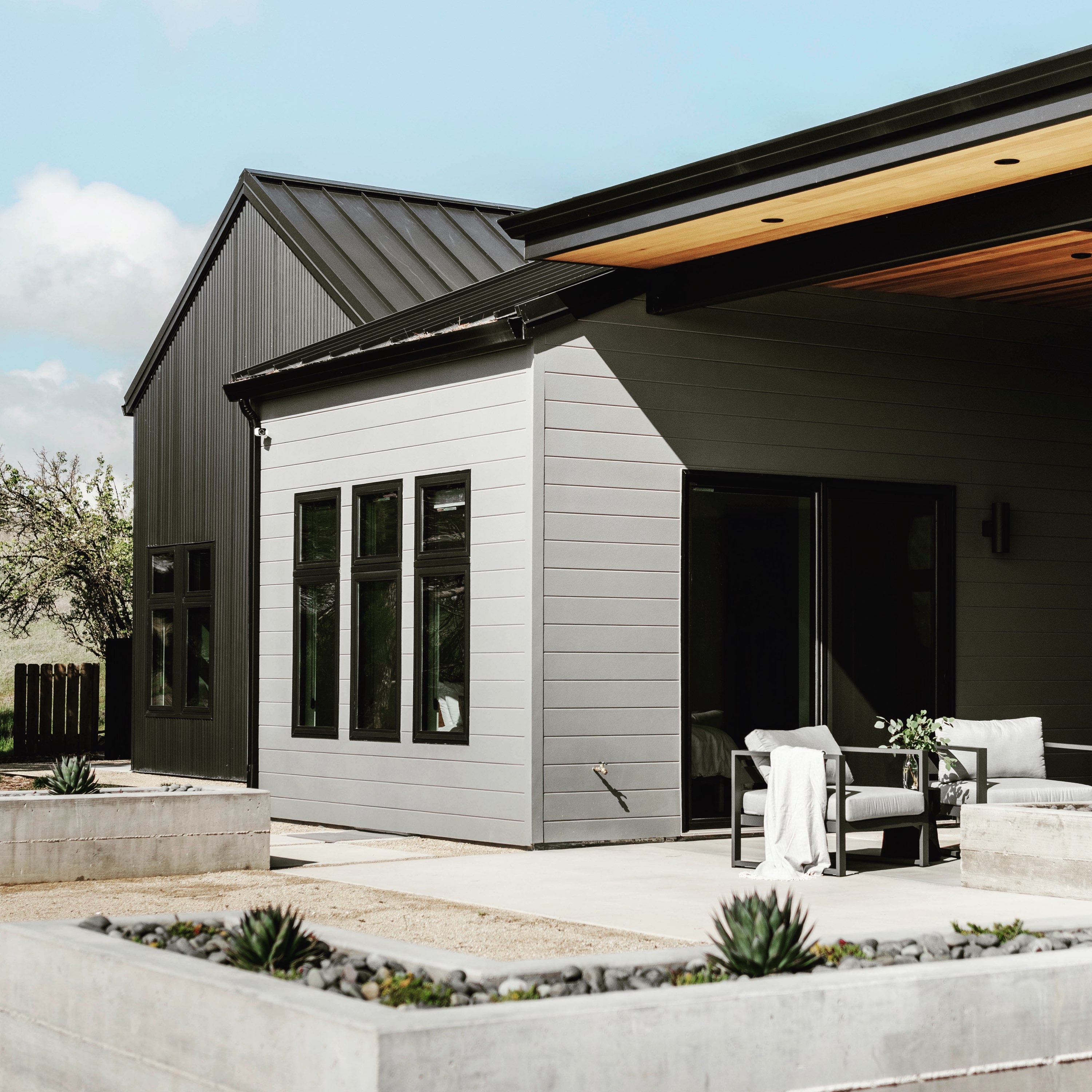
The increasing awareness of environmental impact and resource conservation has led to a significant shift in architectural practices. Sustainable home design has become a critical focus for those seeking to create residences that are not only aesthetically pleasing but also environmentally responsible and energy-efficient. This article explores the principles, strategies, and benefits of sustainable residential architecture, providing practical insights for homeowners, developers, and businesses aiming to integrate sustainability into modern living spaces.
Principles of Sustainable Home Design
Sustainable home design revolves around minimizing the environmental footprint of residential buildings while enhancing occupant comfort and reducing operational costs. The core principles include:
Energy Efficiency: Designing homes that reduce energy consumption through insulation, efficient windows, and renewable energy sources.
Water Conservation: Implementing systems that reduce water use, such as rainwater harvesting and low-flow fixtures.
Material Selection: Choosing sustainable, non-toxic, and locally sourced materials to reduce environmental impact.
Indoor Environmental Quality: Ensuring good air quality, natural lighting, and thermal comfort.
Site Responsiveness: Designing homes that harmonize with the local climate, topography, and ecosystem.
For example, orienting a home to maximize natural daylight reduces the need for artificial lighting, while strategic shading can prevent overheating during summer months. These design choices contribute to lower energy bills and a reduced carbon footprint.

Key Strategies in Sustainable Home Design
Implementing sustainable home design requires a comprehensive approach that integrates various strategies throughout the design and construction process. Some of the most effective strategies include:
Passive Solar Design
Utilizing the sun’s energy for heating and cooling by orienting the building, selecting window placements, and incorporating thermal mass materials.
High-Performance Building Envelope
Enhancing insulation, sealing air leaks, and installing energy-efficient windows to maintain indoor temperature stability.
Renewable Energy Integration
Incorporating solar panels, geothermal systems, or wind turbines to generate clean energy on-site.
Water Efficiency Measures
Installing rainwater collection systems, greywater recycling, and drought-resistant landscaping.
Sustainable Material Use
Selecting materials with low embodied energy, such as reclaimed wood, recycled metal, and low-VOC paints.
Smart Home Technologies
Employing automated systems for lighting, heating, and cooling to optimize energy use.
Each of these strategies contributes to a holistic sustainable design that balances environmental responsibility with occupant needs. For instance, a home equipped with solar panels and a rainwater harvesting system can significantly reduce utility costs and environmental impact.
The Role of Technology in Sustainable Residential Architecture
Advancements in technology have greatly enhanced the feasibility and effectiveness of sustainable residential architecture. Building Information Modeling (BIM), energy modeling software, and smart home systems enable architects and builders to design and construct homes that meet stringent sustainability standards.
Energy Modeling Software: Allows simulation of energy consumption and helps optimize design choices before construction.
Building Information Modeling (BIM): Facilitates collaboration among architects, engineers, and contractors, ensuring precision and reducing waste.
Smart Home Systems: Enable real-time monitoring and control of energy and water use, improving efficiency and comfort.
The integration of these technologies supports the creation of homes that are not only sustainable but also adaptable to future needs and innovations.

Economic and Environmental Benefits of Sustainable Residential Architecture
Adopting sustainable residential architecture offers numerous benefits that extend beyond environmental stewardship. These include:
Reduced Operating Costs: Energy-efficient homes lower utility bills through decreased energy and water consumption.
Increased Property Value: Sustainable homes often command higher market prices due to their efficiency and modern features.
Enhanced Occupant Health and Comfort: Improved indoor air quality and natural lighting contribute to better well-being.
Lower Environmental Impact: Reduced greenhouse gas emissions and resource consumption help mitigate climate change.
Compliance with Regulations and Incentives: Many regions offer tax credits, rebates, and expedited permitting for sustainable building practices.
For example, a home designed with high-performance insulation and solar energy systems can reduce energy costs by up to 50%, providing significant long-term savings. Additionally, such homes contribute to the broader goal of sustainable development by conserving resources and reducing pollution.
Future Trends in Sustainable Home Design
The field of sustainable home design continues to evolve, driven by technological innovation, regulatory changes, and shifting consumer preferences. Emerging trends include:
Net-Zero Energy Homes: Residences that produce as much energy as they consume annually.
Biophilic Design: Incorporating natural elements and green spaces to enhance occupant connection with nature.
Modular and Prefabricated Construction: Reducing waste and construction time through off-site manufacturing.
Circular Economy Principles: Designing homes for disassembly and material reuse.
Integration of Electric Vehicle Infrastructure: Preparing homes for the growing adoption of electric vehicles.
These trends reflect a growing commitment to sustainability and resilience in residential architecture, aligning with the goals of firms like Studio Prime Architecture (SP-ARC) to deliver high-end, construction-informed design solutions in California and the western US.
Advancing Sustainable Residential Architecture with Studio Prime Architecture
In the pursuit of sustainable residential architecture, collaboration with experienced architectural firms is essential. Studio Prime Architecture (SP-ARC) exemplifies this approach by combining design excellence with deep construction and development knowledge. Their expertise ensures that sustainable home design is not only visionary but also practical and buildable.
By prioritizing energy efficiency, material sustainability, and site-specific solutions, SP-ARC supports clients in achieving homes that meet modern living standards while respecting environmental constraints. Their commitment to innovation and quality positions them as a leader in the sustainable architecture landscape of California and the western United States.
Sustainable residential architecture represents a critical pathway toward responsible and efficient living. Through thoughtful design, advanced technology, and strategic material use, it is possible to create homes that serve both people and the planet effectively. As the demand for sustainable home design grows, embracing these principles will be essential for shaping the future of residential development.


Comments