
The Art of Architectural Photography and Architectural Imagery Services
- John Bellisario
- Jan 27
- 4 min read
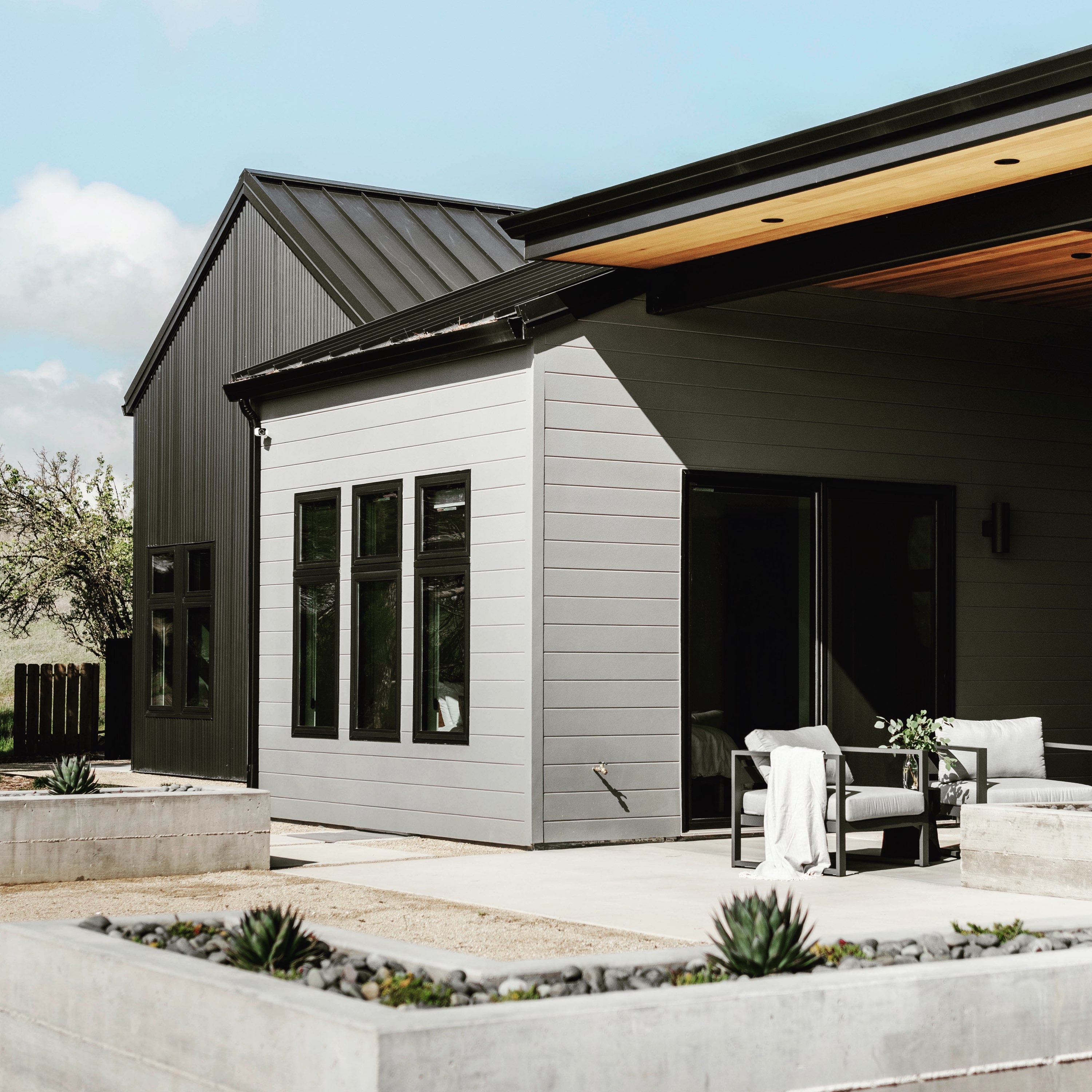
Architectural imagery services play a crucial role in showcasing the design and craftsmanship of buildings. These services provide a visual narrative that highlights the unique features and structural elegance of both commercial and residential projects. The ability to capture architecture effectively requires a blend of technical skill, artistic vision, and an understanding of the built environment. This article explores the essential aspects of architectural imagery services, offering insights into the techniques and considerations that contribute to compelling architectural visuals.
The Importance of Architectural Imagery Services
Architectural imagery services serve as a bridge between the architect’s vision and the public’s perception. High-quality images can communicate the intent, scale, and context of a project more effectively than words alone. For developers and businesses, these images are indispensable tools for marketing, client presentations, and portfolio development.
The value of professional imagery extends beyond mere documentation. It enhances the perceived value of a property and can influence investment decisions. For homeowners, architectural imagery services provide a means to preserve the aesthetic and historical significance of their properties. The precision and clarity achieved through these services ensure that every detail, from material textures to spatial relationships, is accurately represented.

Key Elements of Architectural Imagery Services
Several factors contribute to the effectiveness of architectural imagery services. These include composition, lighting, perspective, and post-processing. Each element must be carefully considered to produce images that are both informative and visually appealing.
Composition: The arrangement of elements within the frame is fundamental. Lines, shapes, and forms should guide the viewer’s eye through the image. Symmetry and balance often play a significant role in architectural photography, emphasizing the structure’s design principles.
Lighting: Natural light is preferred for its ability to reveal textures and create depth. The time of day and weather conditions can dramatically alter the mood and clarity of the image. Early morning or late afternoon light typically provides softer shadows and warmer tones.
Perspective: The choice of angle affects how the building is perceived. Wide-angle lenses can capture the entirety of large structures, while telephoto lenses isolate specific details. Correcting lens distortion is essential to maintain the integrity of architectural lines.
Post-processing: Editing enhances the final image by adjusting exposure, contrast, and color balance. However, it is important to maintain authenticity and avoid over-processing, which can misrepresent the building’s true appearance.
How to Start Architecture Photography?
Beginning a career or hobby in architecture photography requires a methodical approach. Understanding the technical and artistic aspects is essential for producing high-quality images.
Research and Planning: Study the building’s history, design intent, and surroundings. This knowledge informs the choice of angles and timing for the shoot.
Equipment Selection: A DSLR or mirrorless camera with manual controls is recommended. Lenses such as wide-angle and tilt-shift are particularly useful for architectural work.
Practice Composition Techniques: Experiment with framing, leading lines, and symmetry. Consider the rule of thirds and negative space to create balanced images.
Master Lighting Conditions: Learn to work with natural light and supplement with artificial lighting if necessary. Understanding how light interacts with surfaces is critical.
Post-Processing Skills: Develop proficiency in software like Adobe Lightroom and Photoshop. Focus on enhancing clarity and correcting distortions without compromising realism.
Build a Portfolio: Document a variety of structures to showcase versatility. Include both exterior and interior shots to demonstrate comprehensive skills.

Practical Applications of Architectural Imagery Services
Architectural imagery services are utilized across multiple sectors, each with specific requirements and objectives.
Commercial Real Estate: High-resolution images attract potential tenants and investors by highlighting the building’s features and location advantages.
Residential Developments: Developers use imagery to market new housing projects, emphasizing design quality and lifestyle benefits.
Architectural Firms: Firms rely on professional images to document completed projects, support award submissions, and enhance their portfolios.
Historical Preservation: Accurate photographic records assist in restoration efforts and promote awareness of architectural heritage.
Construction Monitoring: Periodic imagery tracks progress and ensures compliance with design specifications.
Enhancing Client Experience Through Architectural Imagery
The integration of architectural imagery services into the design and development process enhances client engagement. Visual representations allow clients to better understand spatial relationships and material choices. This clarity reduces misunderstandings and facilitates informed decision-making.
Moreover, the use of imagery in presentations and marketing materials elevates the professionalism of the firm. It reflects a commitment to quality and attention to detail, attributes that are highly valued in the competitive architectural market.
In the context of Studio Prime Architecture (SP-ARC), these services align with the firm’s goal to provide high-end architectural design informed by construction and development expertise. By leveraging superior imagery, SP-ARC can effectively communicate the sophistication and innovation embedded in its projects, thereby elevating the entire building experience for clients in California and the western United States.
Final Thoughts on Architectural Imagery Services
The art of capturing architecture is a specialized discipline that demands both technical proficiency and an artistic eye. Architectural imagery services are indispensable for conveying the essence of a building’s design and function. Through careful attention to composition, lighting, and perspective, these services produce images that not only document but also celebrate architectural achievements.
For those seeking to engage with architectural imagery services, it is advisable to collaborate with professionals who understand the nuances of the field. Such partnerships ensure that the visual representation of a project meets the highest standards and supports broader business and design objectives.
The strategic use of architectural imagery ultimately contributes to the success of architectural projects by enhancing visibility, fostering appreciation, and facilitating communication among all stakeholders.


Comments