
The Art of Architectural Photography: Elevating Architectural Imagery Services
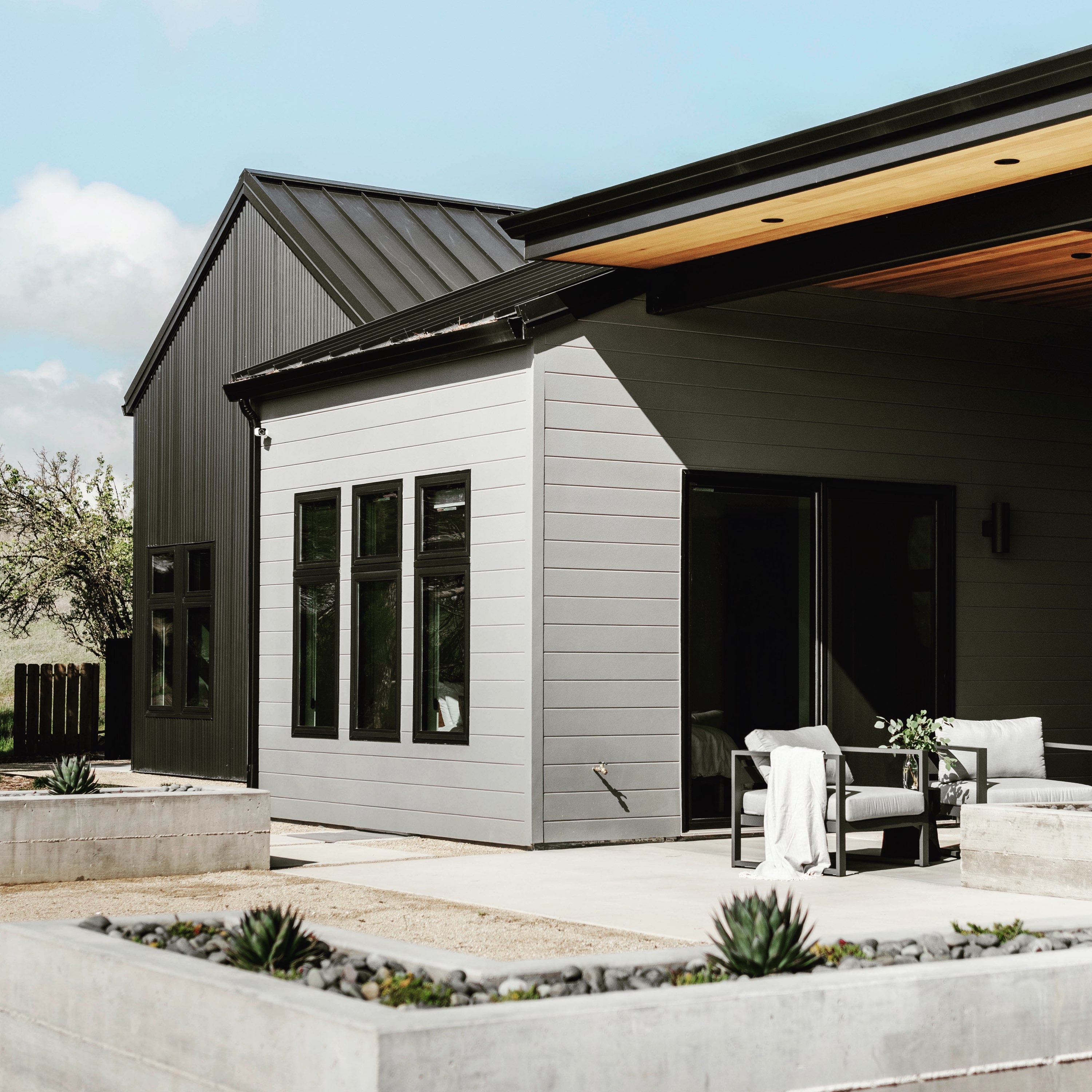
Architectural imagery services play a crucial role in showcasing the design, craftsmanship, and vision behind both commercial and residential projects. Capturing the essence of a building requires more than just technical skill; it demands an understanding of architectural principles, lighting, and composition. This article explores the art of architectural photography, offering insights into its significance, techniques, and practical advice for those interested in this specialized field.
The Importance of Architectural Imagery Services
Architectural imagery services serve as a bridge between architects, developers, and their clients. High-quality images communicate the spatial qualities, materials, and atmosphere of a structure, often influencing decisions related to marketing, sales, and project approval. For developers and businesses, these images provide a visual narrative that highlights the unique features and functional aspects of a building.
In commercial architecture, imagery can emphasize the scale and innovation of a project, while in residential architecture, it often focuses on comfort, style, and integration with the environment. The precision and clarity of these images are essential, as they must accurately represent the architect’s intent without distortion or misinterpretation.

Key Elements in Architectural Imagery Services
Successful architectural imagery services depend on several critical elements that contribute to the overall impact of the photographs:
Lighting: Natural light is often preferred for its ability to reveal textures and create depth. The time of day, weather conditions, and direction of light all influence the mood and clarity of the image.
Composition: The arrangement of lines, shapes, and forms within the frame guides the viewer’s eye and emphasizes the building’s design features. Symmetry, leading lines, and framing are common compositional techniques.
Perspective: Choosing the right angle can highlight the scale and proportions of a structure. Wide-angle lenses are frequently used to capture expansive views, while telephoto lenses isolate details.
Context: Including the surrounding environment can provide a sense of place and scale, helping viewers understand how the building interacts with its setting.
Post-Processing: Careful editing enhances the image without compromising authenticity. Adjustments to contrast, color balance, and sharpness are typical.
These elements must be balanced to produce images that are both aesthetically pleasing and technically accurate.
How to Start Architecture Photography?
Beginning a career or hobby in architecture photography requires a combination of technical knowledge, artistic sensibility, and practical experience. The following steps provide a foundation for those interested in this discipline:
Understand Architectural Basics: Familiarize yourself with architectural styles, terminology, and construction methods. This knowledge aids in recognizing significant features worth capturing.
Invest in Appropriate Equipment: A DSLR or mirrorless camera with manual controls is essential. Lenses such as wide-angle and tilt-shift are particularly useful for architectural work.
Learn to Use Light Effectively: Practice shooting at different times of day and under various weather conditions to understand how light affects the appearance of buildings.
Practice Composition Techniques: Experiment with framing, angles, and perspectives to find the most compelling way to present a structure.
Study Existing Work: Analyze photographs by established architectural photographers to learn about style, technique, and presentation.
Build a Portfolio: Start with local buildings or your own projects to develop a body of work that demonstrates your skills.
Seek Feedback and Refine: Engage with professional communities or mentors to receive constructive criticism and improve your craft.
By following these steps, one can progressively develop the expertise required to produce professional architectural imagery.

Technical Considerations in Architectural Imagery Services
Precision is paramount in architectural imagery services. Several technical factors must be considered to ensure the final images meet professional standards:
Camera Settings: Use a low ISO to minimize noise, a narrow aperture (such as f/8 to f/16) for depth of field, and a tripod to stabilize the camera during longer exposures.
Lens Choice: Tilt-shift lenses correct perspective distortion, which is common when photographing tall buildings from ground level.
White Balance: Accurate color representation is critical, especially when showcasing materials like wood, metal, or stone.
HDR Techniques: High Dynamic Range imaging can balance exposure in scenes with extreme contrasts, such as bright skies and shaded facades.
File Format: Shooting in RAW format preserves maximum image data for post-processing flexibility.
Attention to these technical details ensures that the images are both visually compelling and true to the architect’s vision.
The Role of Architectural Photography in Project Development
Architectural photography contributes significantly to the lifecycle of a building project. From initial design presentations to marketing campaigns and portfolio development, high-quality images serve multiple purposes:
Design Validation: Photographs help architects and clients assess the success of design elements and spatial arrangements.
Marketing and Sales: Real estate developers use imagery to attract buyers and tenants by highlighting the building’s appeal.
Documentation: Images provide a permanent record of the completed project, useful for future renovations or historical archives.
Public Relations: Media outlets and architectural publications rely on professional photographs to feature noteworthy projects.
The integration of architectural photography into these stages enhances communication and supports the overall success of the project.
Final Thoughts on Architectural Imagery Services
The art of architectural photography demands a blend of technical skill, artistic insight, and a deep understanding of architecture itself. For those involved in the design and development of commercial and residential buildings, investing in professional architectural imagery services is essential. Such images not only document the physical structure but also convey the vision and craftsmanship behind it.
By mastering the principles outlined in this article, one can contribute to the creation of images that elevate the perception of architectural projects and support the goals of firms like Studio Prime Architecture (SP-ARC), which strive to deliver high-end architectural design informed by construction and development expertise.
The pursuit of excellence in architectural imagery ultimately enriches the entire building experience, providing value to all stakeholders involved.


Comments