
The Art of Architectural Photography: Elevating Architectural Imagery Services
- John Bellisario
- Apr 6
- 4 min read
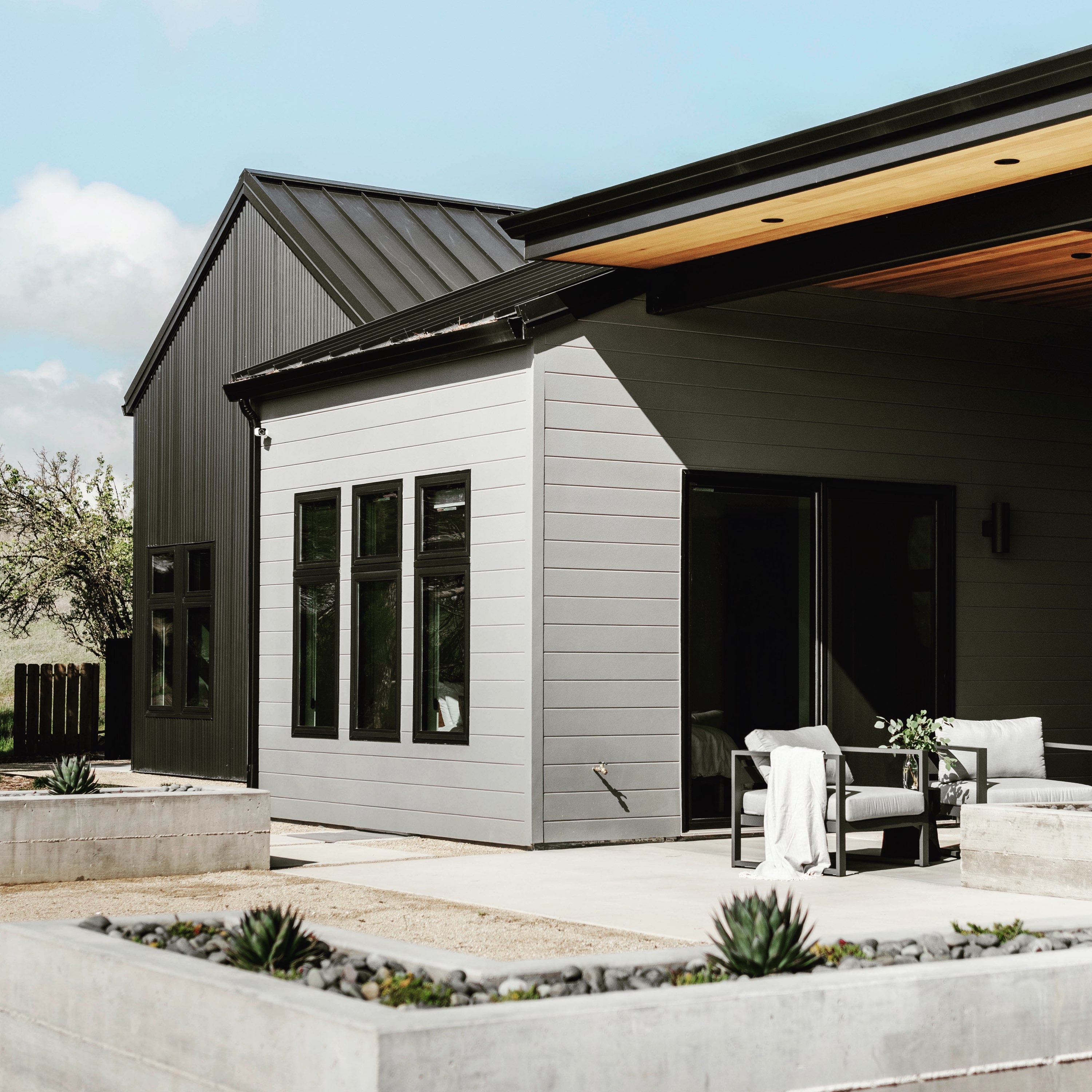
Architectural imagery services play a crucial role in showcasing the design, structure, and aesthetic appeal of buildings. Capturing the essence of architecture through photography requires a blend of technical skill, artistic vision, and an understanding of architectural principles. This article explores the art of architectural photography, emphasizing its importance in the architectural industry and providing practical guidance for those interested in mastering this specialized form of visual documentation.
The Importance of Architectural Imagery Services
Architectural imagery services serve as a bridge between the conceptual design and the public perception of a building. High-quality images can communicate the architect’s vision, highlight unique design elements, and provide a comprehensive view of the project. These services are essential for marketing, client presentations, and archival purposes.
Professional architectural imagery can:
Enhance the visibility of a project in competitive markets.
Assist developers and businesses in attracting potential clients or investors.
Document the progress and completion of construction phases.
Support the architectural firm’s portfolio with compelling visual evidence of their expertise.
In the context of commercial and residential architecture projects, particularly in regions like California and the western United States, where architectural innovation is highly valued, the role of architectural imagery services becomes even more significant. The ability to present a building in its best light can influence decision-making and elevate the perceived value of the project.

Essential Techniques in Architectural Imagery Services
To produce effective architectural imagery, several technical and compositional techniques must be employed. These techniques ensure that the photographs accurately represent the structure while also appealing aesthetically.
Lighting and Timing
Natural light is often the preferred source for architectural photography. The quality and direction of light can dramatically affect the appearance of a building. Early morning or late afternoon light, known as the golden hour, provides soft shadows and warm tones that enhance textures and details.
Artificial lighting may be used to highlight specific features or to balance exposure in interior shots. Understanding how to manipulate light sources is fundamental to achieving balanced and visually engaging images.
Composition and Perspective
The choice of perspective influences how the building is perceived. Wide-angle lenses can capture the entirety of large structures, while telephoto lenses isolate details. Maintaining straight lines and avoiding distortion is critical, often requiring the use of tilt-shift lenses or post-processing corrections.
Compositional rules such as the rule of thirds, leading lines, and framing can guide the viewer’s eye and emphasize architectural elements. Symmetry and repetition are also powerful tools in architectural imagery.
Equipment and Settings
Professional architectural imagery services typically utilize high-resolution cameras, sturdy tripods, and specialized lenses. Settings such as aperture, shutter speed, and ISO must be carefully adjusted to ensure sharpness, depth of field, and proper exposure.
Post-processing software is employed to correct perspective distortions, enhance colors, and remove distractions, ensuring the final image meets professional standards.

How to Start Architecture Photography?
Beginning a career or hobby in architecture photography requires a structured approach. The following steps provide a foundation for those interested in this field:
Study Architectural Styles and Elements
Familiarity with architectural terminology and styles aids in recognizing significant features worth capturing. This knowledge enhances the photographer’s ability to tell a story through images.
Invest in Appropriate Equipment
While starting with a basic DSLR or mirrorless camera is acceptable, upgrading to lenses suitable for architectural work, such as wide-angle and tilt-shift lenses, will improve results.
Practice Composition and Lighting
Experiment with different times of day and weather conditions to understand how light interacts with structures. Practice framing shots to highlight symmetry, texture, and form.
Learn Post-Processing Techniques
Mastering software like Adobe Lightroom and Photoshop is essential for correcting perspective, adjusting exposure, and enhancing image quality.
Build a Portfolio
Document a variety of buildings, both commercial and residential, to showcase versatility. A well-curated portfolio is critical for attracting clients and professional opportunities.
Network with Industry Professionals
Collaborating with architects, developers, and real estate professionals can provide access to projects and insights into client expectations.
By following these steps, one can develop the skills necessary to produce compelling architectural imagery that meets industry standards.
Practical Applications of Architectural Imagery Services
Architectural imagery services extend beyond mere documentation. They are integral to various stages of architectural projects and business operations.
Marketing and Promotion: High-quality images are used in brochures, websites, and social media to attract clients and investors.
Client Communication: Visual representations help clients understand design concepts and make informed decisions.
Project Documentation: Photographs record construction progress and final outcomes, serving as references for future projects.
Awards and Publications: Exceptional imagery can support submissions for architectural awards and inclusion in industry publications.
For firms like Studio Prime Architecture (SP-ARC), which aim to provide high-end architectural design informed by construction and development knowledge, integrating professional imagery services enhances the overall client experience and project presentation.
Future Trends in Architectural Imagery Services
The field of architectural imagery is evolving with technological advancements. Emerging trends include:
Drone Photography: Aerial views offer unique perspectives and comprehensive site context.
3D Imaging and Virtual Tours: Interactive models and virtual reality provide immersive experiences for clients.
Sustainable and Green Architecture Focus: Highlighting eco-friendly design elements aligns with growing environmental awareness.
Integration with BIM (Building Information Modeling): Combining photographic imagery with digital models enhances project visualization.
Staying abreast of these trends allows architectural imagery services to remain relevant and valuable in a competitive market.
Enhancing Architectural Projects Through Visual Storytelling
The art of architectural photography is not merely about capturing buildings but about telling the story of design, function, and environment. Through careful attention to detail, lighting, and composition, architectural imagery services transform static structures into dynamic narratives.
By investing in professional imagery, developers and businesses can effectively communicate the quality and innovation of their projects. This visual storytelling supports Studio Prime Architecture’s mission to elevate the building experience through design excellence and informed construction practices.
In summary, mastering architectural imagery services requires a combination of technical expertise, artistic sensibility, and industry knowledge. It is an indispensable tool for showcasing architectural achievements and advancing the goals of all stakeholders involved in commercial and residential projects.


Comments