
The Power of Design Showcase Photography in Architecture
- John Bellisario
- Apr 13
- 4 min read
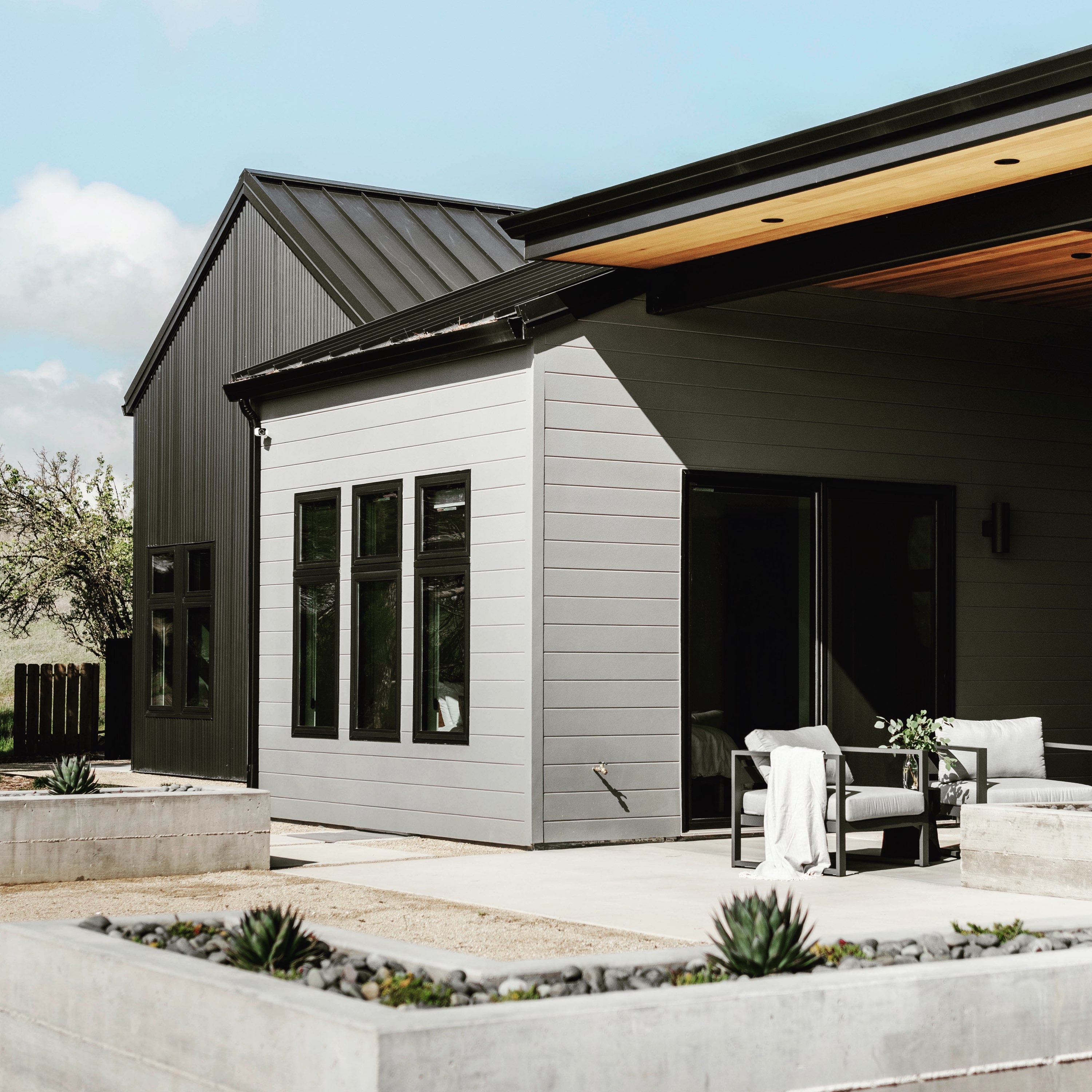
Architectural design is a discipline that combines creativity, technical knowledge, and practical execution. The visual representation of architectural projects plays a crucial role in communicating the essence and quality of a design. Design showcase photography serves as a vital tool in this process, capturing the form, function, and atmosphere of buildings in a way that words alone cannot convey. This article explores the significance of design showcase photography in architecture, its impact on various stakeholders, and practical guidance on how to approach this specialized form of photography.
The Role of Design Showcase Photography in Architecture
Design showcase photography is more than just taking pictures of buildings. It is a deliberate and skilled practice aimed at highlighting architectural features, materials, and spatial relationships. This form of photography helps to document and promote architectural projects, providing a visual narrative that supports marketing, client presentations, and archival purposes.
For homeowners, developers, and businesses, high-quality images of architectural work can influence decision-making and enhance the perceived value of a project. These photographs serve as a bridge between the conceptual design and the tangible experience of a space. They allow potential clients and collaborators to appreciate the craftsmanship and innovation embedded in a structure.
Moreover, design showcase photography contributes to the architectural profession by preserving the legacy of built environments. It captures the evolution of styles, construction techniques, and cultural contexts, offering insights for future generations of architects and designers.

Key Elements of Effective Design Showcase Photography
Successful design showcase photography requires attention to several critical elements. These include composition, lighting, perspective, and timing. Each factor influences how the architectural subject is perceived and understood.
Composition: The arrangement of visual elements within the frame should emphasize the building’s unique characteristics. Lines, shapes, and textures can be used to guide the viewer’s eye and create a balanced image.
Lighting: Natural and artificial lighting conditions affect the mood and clarity of the photograph. Early morning or late afternoon light often provides soft shadows and warm tones that enhance architectural details.
Perspective: Choosing the right angle and distance is essential to convey scale and spatial relationships. Wide-angle lenses can capture expansive views, while close-ups highlight materiality and craftsmanship.
Timing: The time of day and weather conditions can dramatically alter the appearance of a building. Photographers must plan shoots to coincide with optimal environmental factors.
Incorporating these elements thoughtfully results in images that not only document but also celebrate architectural achievements.

How to Start Architecture Photography?
Beginning a career or hobby in architecture photography involves understanding both photographic techniques and architectural principles. Here are practical steps to get started:
Study Architecture: Familiarize yourself with architectural styles, terminology, and design concepts. This knowledge will inform your photographic choices and help you interpret buildings accurately.
Invest in Equipment: A camera with manual settings, a variety of lenses (especially wide-angle and tilt-shift lenses), and a sturdy tripod are essential tools.
Practice Composition: Experiment with framing, angles, and perspectives to find the most compelling ways to represent structures.
Learn Post-Processing: Editing software can enhance images by correcting distortions, adjusting exposure, and refining colors while maintaining authenticity.
Build a Portfolio: Document diverse projects, including residential, commercial, and public buildings, to showcase your versatility.
Network with Professionals: Collaborate with architects, developers, and design firms to gain access to projects and build credibility.
By following these steps, one can develop the skills necessary to produce impactful architectural imagery.
The Impact of Architectural Photography on Development and Marketing
The influence of architectural photography extends beyond aesthetics. It plays a strategic role in development and marketing efforts. For developers and businesses, compelling images can attract investors, tenants, and buyers by presenting projects in their best light.
High-quality photographs are often used in brochures, websites, social media, and press releases. They help to establish brand identity and communicate the quality and vision of a firm. In competitive markets, such as California and the western United States, where Studio Prime Architecture (SP-ARC) operates, design showcase photography can differentiate a company by emphasizing its commitment to excellence and innovation.
Furthermore, these images support the construction process by providing clear visual references for contractors and stakeholders. They can document progress, highlight craftsmanship, and ensure alignment with design intent.
Future Trends in Design Showcase Photography
As technology advances, design showcase photography continues to evolve. Emerging trends include the integration of drone photography, 3D imaging, and virtual reality. These tools offer new perspectives and immersive experiences that enhance the understanding of architectural spaces.
Drones enable aerial views that reveal site context and building relationships. 3D imaging and virtual tours allow clients to explore designs interactively, facilitating better communication and decision-making.
Sustainability and environmental considerations are also influencing photographic approaches. Photographers are increasingly highlighting green building features, natural lighting, and energy-efficient materials to align with contemporary architectural values.
Staying informed about these trends and incorporating them into practice will ensure that design showcase photography remains a powerful asset in the architectural field.
Enhancing Architectural Projects Through Visual Storytelling
The power of architectural photography lies in its ability to tell a story. Each image captures not only the physical structure but also the vision, context, and experience of a building. For those involved in architectural projects, investing in professional design showcase photography is a strategic decision that enhances communication, marketing, and legacy.
By understanding the principles and techniques outlined in this article, one can appreciate the critical role that visual representation plays in architecture. It is through these images that the full impact of design is realized and shared with a broader audience.


Comments