
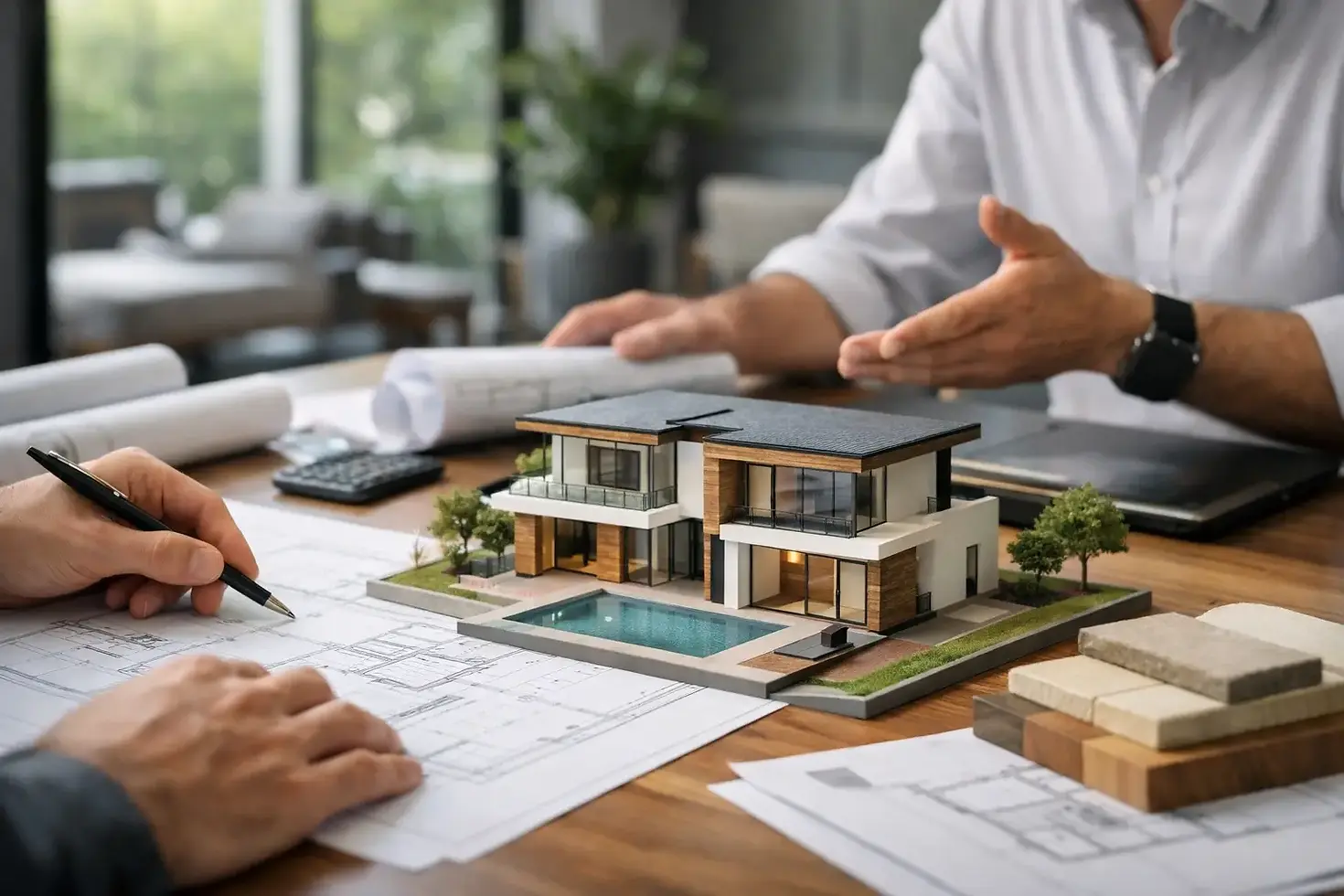
Value Engineering in Architecture Done Right
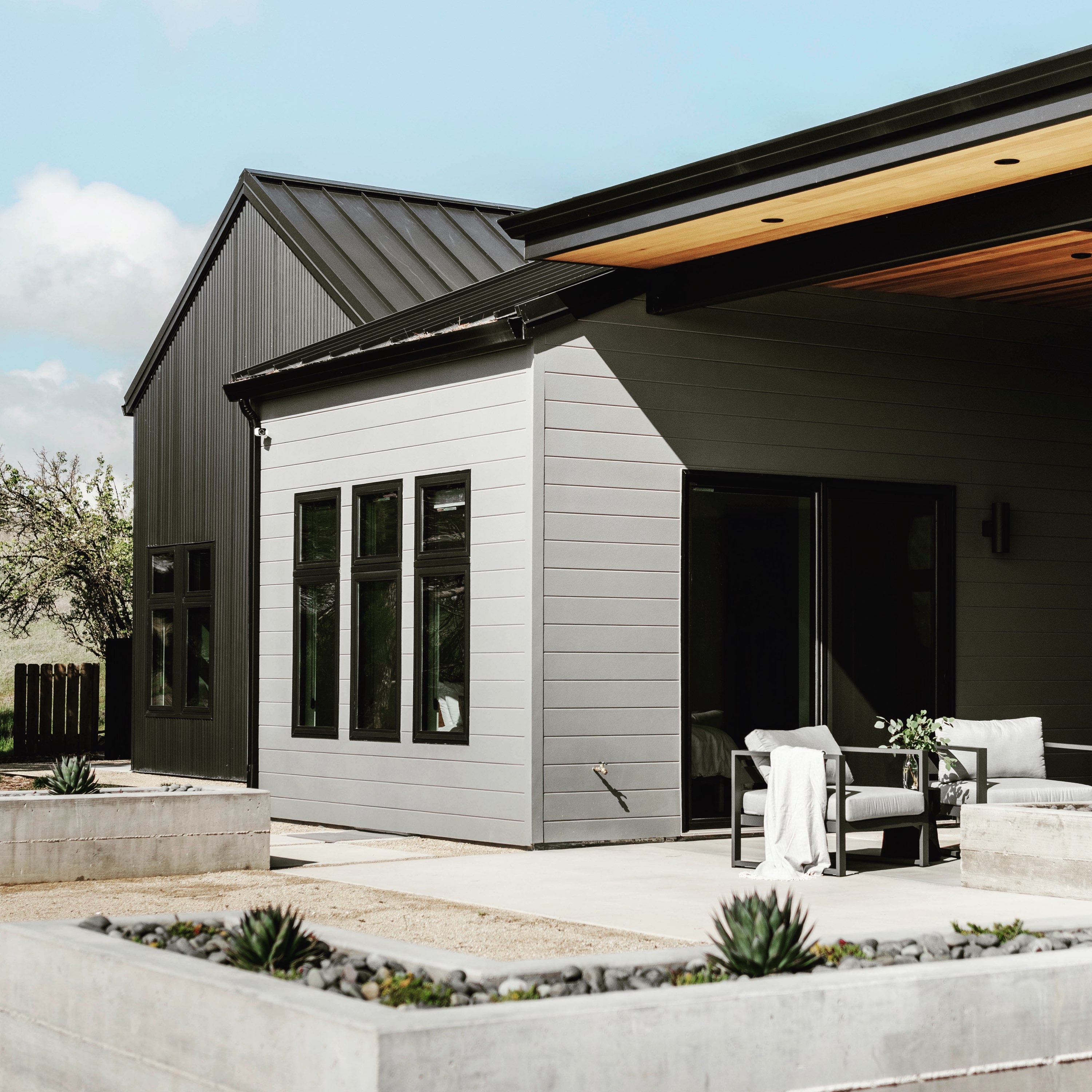
A project is over budget before the first permit submittal, and suddenly every line item is under scrutiny. That is usually when value engineering in architecture enters the conversation. Done well, it protects project goals while bringing cost, constructability, and performance back into alignment. Done poorly, it becomes a late-stage exercise in cutting quality and creating problems that reappear during construction or operations.
For owners, developers, and business stakeholders, the distinction matters. Architecture is not simply the arrangement of space or the selection of finishes. It is also the coordination of systems, code requirements, structural logic, life safety, user experience, and long-term asset value. A value engineering process that ignores those relationships may lower the bid on paper while increasing change orders, maintenance costs, or entitlement friction later.
What value engineering in architecture actually means
At its best, value engineering in architecture is a disciplined review of a project's components to determine whether each design decision is delivering the right level of function, durability, performance, and cost. The objective is not to make a building cheaper in a simplistic sense. The objective is to improve value.
That distinction is more than semantics. Cost reduction alone can push a project toward inferior materials, compromised layouts, or systems that appear economical only because the long-term consequences are not being priced in. Value engineering asks a better question: what is the project trying to achieve, and what is the most effective way to achieve it within the budget?
In practice, that can mean substituting one material for another, simplifying structural spans, rethinking façade articulation, consolidating mechanical zones, adjusting unit mix, or refining detailing to reduce labor intensity. Sometimes the right move is visible to the end user. Sometimes it is buried in wall assemblies, equipment coordination, or procurement strategy. Either way, the work should support both financial discipline and project integrity.
Why timing changes everything
The earlier value engineering happens, the more useful it becomes. Early-stage review during schematic design or design development gives the team room to make meaningful adjustments without undoing major coordination. It also allows owners to compare options while design intent is still flexible.
Late-stage value engineering is possible, but it is usually more expensive and less strategic. By the time construction documents are nearly complete, many systems are interdependent. Changing one decision may force revisions across architecture, structure, MEP engineering, energy compliance, accessibility, and permitting documentation. At that point, savings can be eroded by redesign effort, schedule delays, and downstream coordination issues.
This is why experienced teams treat value engineering as part of project planning, not a rescue measure. Budget awareness should shape decisions from the beginning, especially on projects with entitlement complexity, financing milestones, or tight delivery windows.
Where real value is found
Owners often assume the biggest savings are in finishes, but that is only one part of the picture. Significant gains often come from decisions that affect repetition, simplicity, and coordination.
Building form is one example. A clean, rational massing strategy can reduce structural complexity, simplify waterproofing, improve envelope performance, and shorten construction time. Floor plate efficiency is another. In multifamily and mixed-use work, circulation ratios, unit stack alignment, and plumbing coordination can materially affect cost without degrading tenant experience.
Structural design also presents opportunities. Excessive cantilevers, irregular grids, and dramatic spans may support a strong visual idea, but they carry real cost implications. That does not mean they should never be used. It means they should be used intentionally, where they add measurable design or market value.
MEP systems are another frequent source of opportunity. Overspecified equipment, fragmented distribution, or poor coordination above ceilings can drive up both construction cost and maintenance burden. A more disciplined systems strategy can improve performance while reducing installation complexity.
Then there is the façade. Exterior expression matters, particularly for commercial, mixed-use, and higher-end residential projects, but façade complexity is one of the fastest ways to increase labor, detailing, and waterproofing risk. A strong elevation does not always require expensive articulation. Often it requires restraint, proportion, and smart material deployment.
What should never be cut reflexively
Some design elements are easy to target because they are visible, but that does not make them expendable. Daylighting, circulation clarity, durable materials in high-wear areas, and well-resolved building envelope assemblies often produce long-term value that outlasts any short-term savings.
Code and life-safety decisions are obviously nonnegotiable, but the same mindset should apply to accessibility, maintainability, and core user experience. If a decision saves money up front while increasing liability, reducing leasing appeal, or accelerating deterioration, it is not value engineering. It is deferred cost.
There is also a market-positioning issue. In development, not every square foot has equal economic importance. Public-facing areas, street presence, unit livability, and tenant or buyer perception can materially affect absorption and pricing. Cutting the wrong feature can weaken the pro forma more than it improves it.
The role of the architect in a value engineering process
A capable architect should do more than collect product substitutions after bids come in. The architect's role is to evaluate how cost-saving measures affect the project as a whole.
That means understanding design intent, consultant coordination, code implications, constructability, and owner priorities at the same time. A finish substitution may affect fire rating, lead times, maintenance expectations, and visual continuity. A wall type change may alter acoustic performance, structural loads, and energy compliance. A layout revision may improve efficiency but reduce leasing flexibility. These are not isolated decisions.
This is where a development-oriented practice adds real value. The strongest guidance comes from teams that understand not just architecture, but also entitlement pathways, construction sequencing, consultant coordination, and the economics behind owner decision-making. At SP-ARC, that integrated perspective is central to how project decisions are evaluated across the full lifecycle, not just at the drawing set level.
Common mistakes that weaken value engineering in architecture
One of the most common mistakes is treating all cost categories equally. They are not. Some reductions improve efficiency with little downside, while others damage function or create recurring operational costs. A disciplined review separates cosmetic preference from true project drivers.
Another mistake is relying on unit-cost assumptions without testing constructability. A less expensive material may require more labor, special substrate preparation, longer lead times, or unfamiliar installation methods. Savings disappear quickly when field conditions do not support the substitution.
A third mistake is making decisions without clear priorities. Every project has them, whether stated or not. For one owner, speed to market is paramount. For another, durability and reduced maintenance may matter more. A luxury residential client may prioritize spatial quality and finish consistency, while an investor focused on hold performance may weigh operating efficiency more heavily. Value engineering only works when the team knows what value means for that specific project.
Finally, there is the temptation to postpone difficult choices. That usually creates more pressure later. Early clarity on budget, quality thresholds, and acceptable trade-offs leads to better outcomes than reactive redesign under deadline.
A better framework for decision-making
The most effective value engineering process is not driven by fear of cost overruns. It is driven by disciplined comparison. When evaluating options, teams should ask four basic questions: does this change preserve the project's core function, how does it affect construction complexity, what are the life-cycle consequences, and does it support the owner's business case?
Those questions create a more reliable filter than simple first-cost analysis. They also help keep the conversation productive. Instead of framing decisions as design versus budget, the team can evaluate alternatives against performance, schedule, code, durability, and market impact.
This is especially relevant in California and the western US, where code requirements, energy performance standards, site conditions, and jurisdictional review can all influence whether a proposed savings measure is practical. A substitute that works in theory may not work within local compliance pathways or entitlement commitments.
The strongest projects are not the ones where nothing changed. They are the ones where the right changes were made early, with full awareness of consequences.
Value engineering in architecture should protect the project from waste, not from ambition. When the process is led with technical rigor and development awareness, it becomes a tool for making smarter buildings, not smaller ideas.


Comments