

Why Real Estate Marketing Renderings Matter
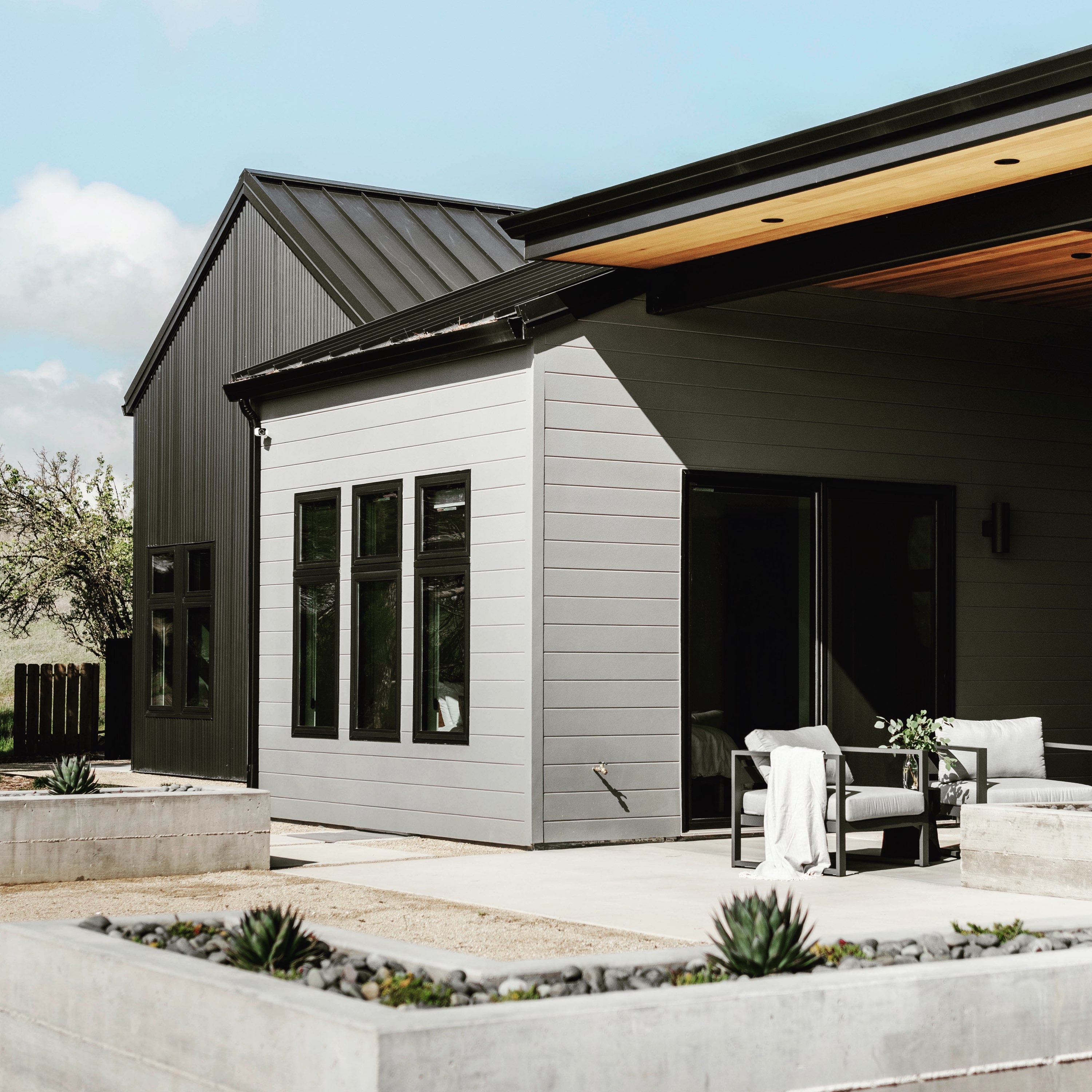
A project can be financially sound, well designed, and fully entitled, yet still struggle in the market if people cannot quickly understand what is being built. That is where real estate marketing renderings stop being a nice extra and start functioning as a serious development tool. For owners, developers, and leasing teams, the right rendering package helps turn drawings, massing studies, and finish concepts into a clear market story buyers and tenants can respond to.
The key point is simple. Marketing visuals are not just about making a project look attractive. They help reduce uncertainty before construction is complete, support pricing conversations, and give stakeholders a shared picture of the final product. In many cases, they also expose gaps between design intent and market positioning early enough to correct them.
What real estate marketing renderings actually do
A strong rendering communicates more than form. It shows how architecture, interiors, context, and use come together in a way a floor plan or elevation cannot. A residential buyer may not read construction documents, but that same buyer can immediately react to natural light in a living room, the scale of a lobby, or the relationship between a mixed-use building and the street.
For developers, that reaction has practical value. It can support pre-sales, leasing campaigns, investor presentations, planning narratives, and broker outreach. It can also help internal teams make decisions with greater confidence. When architecture, branding, and sales strategy are aligned visually, the project becomes easier to explain and easier to sell.
That said, not every rendering serves the same purpose. An investor deck needs clarity and credibility. A luxury residential campaign may need mood, material richness, and lifestyle framing. A multifamily lease-up often benefits from a mix of exterior hero views, amenity visuals, and street-level perspectives that help future residents picture daily life on site.
Real estate marketing renderings and project strategy
The best renderings are tied to a business objective. That sounds obvious, but many projects treat visualization as the final decorative layer rather than part of the development process. When that happens, teams often end up with beautiful images that do not answer the market's real questions.
A better approach starts by asking what decision the rendering needs to support. Is the goal to secure investor interest, support entitlement messaging, pre-sell units, attract retail tenants, or establish a premium brand position? Each objective calls for different views, levels of detail, and degrees of emotional tone.
For example, an entitlement presentation may prioritize streetscape realism, neighborhood fit, and building scale. A condominium sales package may focus more heavily on interiors, view corridors, kitchens, baths, and arrival sequences. A hospitality or mixed-use project may need to show energy, circulation, and the relationship between public and private space.
This is one reason developers often benefit from working with an architecture-led team rather than treating marketing imagery as a disconnected graphic exercise. When the visual package is informed by actual design intent, code constraints, constructability, and phasing realities, it is more likely to remain credible as the project advances.
Where projects go wrong
The most common problem is overpromising. If a rendering presents materials, lighting conditions, landscaping maturity, or views that the built project cannot realistically deliver, the image may help short-term marketing but damage trust later. Sophisticated buyers, investors, and municipal stakeholders notice when visuals feel inflated.
A second issue is generic imagery. Many rendering packages look polished but interchangeable. They show a building, but not the specific value of that building in its market. If a project's identity depends on walkability, hillside siting, indoor-outdoor living, or a carefully designed amenity sequence, those qualities need to be visible.
There is also the timing problem. Renderings developed too early may rely on assumptions that change materially. Developed too late, they miss opportunities to shape branding, presales, leasing, or public-facing communications. The right moment is usually when the design is stable enough to communicate honestly but still early enough to influence how the project is positioned.
What makes a rendering effective
Good real estate marketing renderings balance accuracy and persuasion. They should be visually compelling, but they also need to be architecturally disciplined. Massing, glazing proportions, site relationships, and circulation should read as intentional and believable. If the visual language drifts too far from the actual design, the marketing asset loses strategic value.
Materiality matters as well. Buyers and tenants respond to cues about quality very quickly. The warmth of wood finishes, the crispness of stone detailing, the transparency of storefront glazing, or the depth of exterior shadow all influence perceived value. These are not minor artistic choices. They affect how the market interprets price point, durability, and brand identity.
Context is another factor that often gets underestimated. A standalone building image may look clean, but context sells reality. Street trees, adjacent structures, sidewalks, terrain, parking access, and views help people understand how the project will function. In California and across the western US, where topography, climate, and local development patterns shape experience so strongly, contextual realism can be especially important.
Matching renderings to asset type
Different project types call for different storytelling.
Single-family custom homes often benefit from fewer images with greater precision. Prospective buyers in that segment are usually evaluating craftsmanship, proportion, and lifestyle quality. They tend to respond to approach views, main living spaces, kitchens, primary suites, and exterior spaces that show how the home sits on the site.
Multifamily developments usually need a broader package. Exterior hero views matter, but so do leasing office visuals, amenity decks, fitness rooms, courtyards, unit interiors, and pedestrian-level scenes. The question is not only what the building looks like. It is what daily life inside the community feels like.
Mixed-use and commercial projects require another layer of discipline. Tenants and investors want to understand frontage, visibility, access, parking logic, circulation, and how uses interact. For these assets, renderings work best when paired with a clear understanding of development economics and tenant expectations, not aesthetics alone.
Why architecture-led visualization has an advantage
When the team producing renderings understands design documentation, entitlement constraints, and construction logic, the output tends to be more useful across the life of the project. That is because the images are not built from surface assumptions. They are informed by how the building is actually being resolved.
This matters when changes occur, and they usually do. Exterior materials may shift due to procurement, site features may be refined, and interior layouts may evolve in response to pricing or code review. A visualization process grounded in architectural coordination can adapt without losing coherence.
That integrated approach also improves efficiency. Instead of having marketing visuals generated in isolation and repeatedly corrected later, the project team can use the same coordinated design intelligence to support approvals, investor communications, and public-facing materials. For firms serving owner-developers, that alignment is more than a workflow preference. It reduces friction and supports better decisions.
How to decide what you actually need
The right rendering package depends on where the project stands and who needs to be persuaded. A ground-up multifamily development pursuing presales has different needs than a small commercial repositioning or a custom residence seeking early buyer interest.
At minimum, most projects benefit from one strong exterior perspective that establishes identity and one or two supporting views that answer likely market questions. Beyond that, the package should expand only when each additional image serves a real function. More images do not automatically create more value.
Animation, aerials, interior stills, and lifestyle scenes can all be worthwhile, but only if they match the sales cycle and budget. If a project is still undergoing substantial design revision, highly detailed interior visualizations may be premature. If branding and lease-up are imminent, however, that same investment may be justified.
The larger value of getting it right
Real estate marketing renderings sit at the intersection of design communication and market performance. They help people see the project before it exists, but their deeper role is to create confidence. Confidence for buyers deciding whether to commit early. Confidence for investors reviewing risk. Confidence for internal teams trying to keep design, budget, and market positioning aligned.
That is why good renderings should never be treated as decorative output. They are part of how a development is understood, evaluated, and brought to market. When handled with architectural rigor and commercial awareness, they do more than present a future building. They help make that future believable.
If a project is worth building, it is worth communicating with the same level of discipline.


Comments