
Convenient Custom Home Design Online with Virtual Home Design Services
- John Bellisario
- May 19
- 5 min read
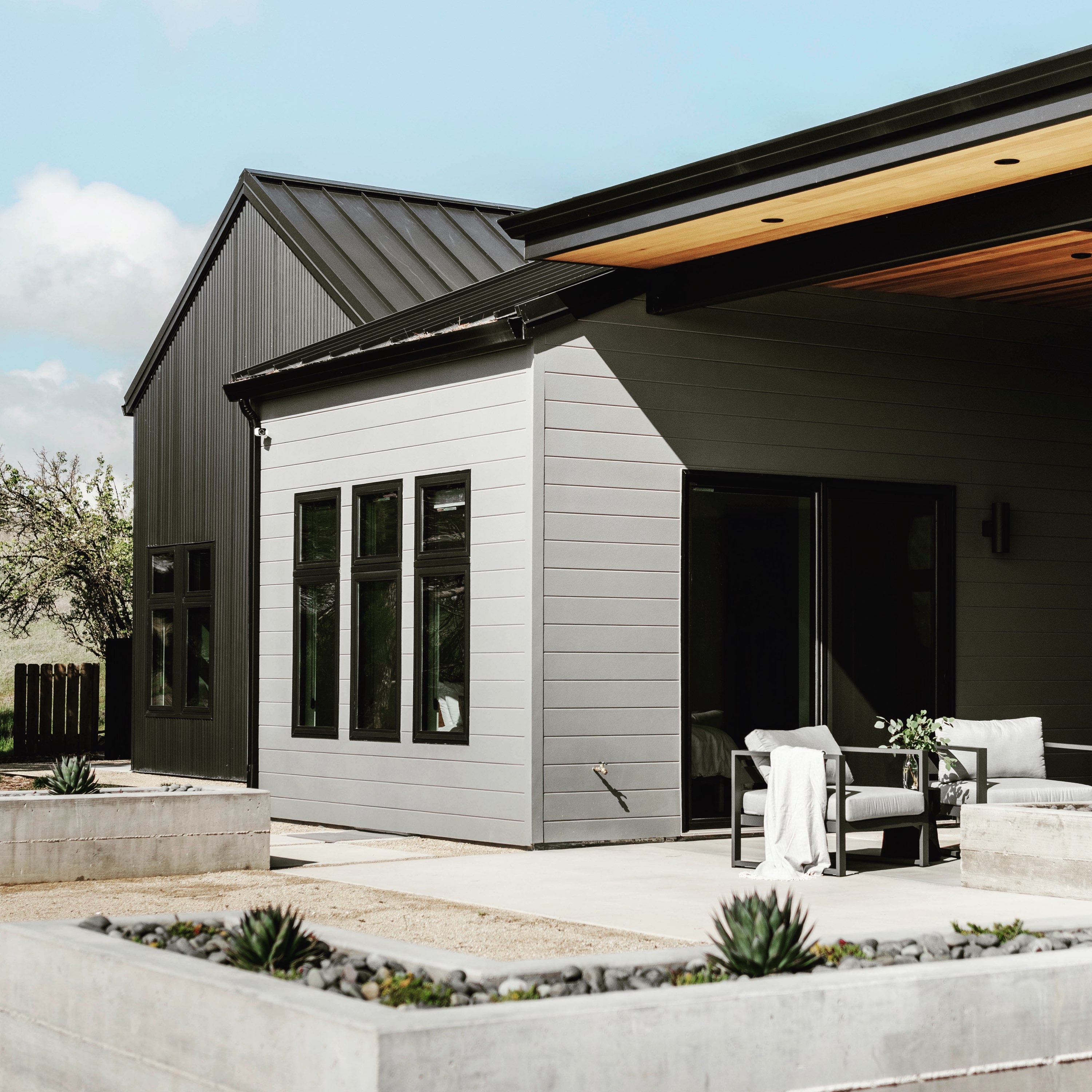
The process of designing a home has traditionally involved numerous in-person meetings, physical blueprints, and lengthy timelines. However, advancements in technology have transformed this experience, making it more accessible and efficient. Virtual home design services now allow homeowners, developers, and businesses to engage in comprehensive architectural planning remotely. This shift not only streamlines communication but also enhances precision and customization in home design.
The Rise of Virtual Home Design Services
Virtual home design services have emerged as a pivotal solution for clients seeking architectural expertise without geographical constraints. These services utilize digital platforms to facilitate collaboration between clients and architects, enabling real-time adjustments and detailed visualizations. The integration of 3D modeling, virtual reality, and cloud-based project management tools has made it possible to simulate every aspect of a home’s design before construction begins.
This approach offers several advantages:
Accessibility: Clients can connect with architects regardless of location.
Efficiency: Design iterations can be completed faster through digital tools.
Transparency: Clients receive clear visual representations of their projects.
Cost-effectiveness: Reduces the need for physical meetings and printed materials.
By leveraging these technologies, architectural firms can provide a seamless design experience that aligns with modern expectations.

Key Features of Virtual Home Design Services
Virtual home design services encompass a range of features that enhance the design process. Understanding these features can help clients make informed decisions and maximize the benefits of remote architectural collaboration.
1. Interactive 3D Modeling
One of the most significant advancements is the use of interactive 3D models. These models allow clients to explore their future homes from multiple angles, including interior and exterior views. Adjustments to layouts, materials, and finishes can be made instantly, providing immediate feedback.
2. Virtual Reality Walkthroughs
Virtual reality (VR) technology offers immersive walkthroughs of the proposed design. Clients can experience spatial relationships and design elements as if physically present, aiding in better decision-making and reducing costly changes during construction.
3. Cloud-Based Collaboration
Cloud platforms enable architects and clients to share documents, plans, and updates in real time. This centralized communication hub ensures that all stakeholders remain informed and engaged throughout the project lifecycle.
4. Detailed Documentation and Compliance
Virtual services also include the generation of detailed architectural drawings and compliance documentation. These are essential for securing permits and ensuring that designs meet local building codes and regulations.
5. Customization and Flexibility
Clients can customize every aspect of their home design, from structural elements to interior finishes. The flexibility of virtual platforms supports iterative design processes, accommodating evolving preferences and requirements.

Benefits of Using Virtual Home Design Services for Architectural Projects
The adoption of virtual home design services offers tangible benefits for all parties involved in architectural projects. These benefits extend beyond convenience, impacting project quality, timelines, and overall satisfaction.
Enhanced Communication and Collaboration
Virtual platforms facilitate clear and continuous communication between architects and clients. This reduces misunderstandings and ensures that design intentions are accurately conveyed and implemented.
Time Savings
By eliminating the need for frequent in-person meetings and physical document exchanges, virtual services accelerate the design process. Clients can review and approve designs promptly, enabling faster project initiation.
Cost Reduction
Virtual design reduces expenses related to travel, printing, and physical meetings. Additionally, early detection of design issues through digital visualization minimizes costly revisions during construction.
Broader Access to Expertise
Clients are no longer limited to local architects. Virtual services open access to specialized firms with deep construction and development knowledge, such as Studio Prime Architecture (SP-ARC), which serves clients across California and the western United States.
Improved Design Accuracy
Digital tools provide precise measurements and simulations, reducing errors and enhancing the quality of architectural plans. This accuracy supports smoother construction phases and better final outcomes.
How to Effectively Engage with Virtual Home Design Services
To maximize the advantages of virtual home design services, clients should approach the process with clear objectives and active participation. The following recommendations can facilitate a productive collaboration:
Define Project Goals Clearly: Establish your priorities, budget, and timeline before initiating the design process.
Prepare Reference Materials: Gather inspiration images, site information, and any existing plans to share with the architect.
Maintain Regular Communication: Schedule virtual meetings and provide timely feedback to keep the project on track.
Utilize Visualization Tools: Take advantage of 3D models and VR walkthroughs to understand design implications fully.
Review Documentation Thoroughly: Ensure all plans comply with local regulations and meet your expectations before construction begins.
By following these steps, clients can ensure that their vision is accurately translated into a functional and aesthetically pleasing home design.
The Future of Architectural Design: Embracing Digital Innovation
The architectural industry is increasingly embracing digital innovation to meet the evolving needs of clients. Virtual home design services represent a significant step toward more sustainable, efficient, and client-centered practices. As technology continues to advance, these services will likely incorporate even more sophisticated tools such as artificial intelligence, augmented reality, and automated project management systems.
For firms like Studio Prime Architecture (SP-ARC), which prioritize high-end architectural design informed by construction and development expertise, virtual services offer a platform to deliver exceptional value. Clients benefit from a comprehensive design experience that integrates creativity, technical precision, and practical knowledge.
The convenience of custom home design online exemplifies how digital solutions can transform traditional architectural workflows. This approach not only meets the demands of modern clients but also elevates the entire building experience.
Navigating the Transition to Virtual Home Design Services
Adopting virtual home design services requires an adjustment in mindset and workflow for both clients and architects. It is essential to recognize the differences from conventional methods and embrace the opportunities presented by digital collaboration.
Preparing for Virtual Consultations
Clients should ensure they have access to reliable internet connections and compatible devices to participate effectively in virtual meetings. Familiarity with the software platforms used by the architectural firm can also enhance communication.
Setting Realistic Expectations
While virtual design services offer many benefits, some aspects of the design process may still require physical site visits or inspections. Understanding these limitations helps manage expectations and plan accordingly.
Leveraging Expertise
Selecting an architectural firm with proven experience in virtual design is crucial. Firms that combine architectural creativity with construction and development knowledge can provide more comprehensive guidance and solutions.
Continuous Learning and Adaptation
Both clients and architects should remain open to learning new tools and methods as technology evolves. This adaptability ensures that projects benefit from the latest innovations and best practices.
The integration of virtual home design services into architectural practice marks a significant advancement in how homes and commercial spaces are conceived and realized. By embracing these technologies, clients gain access to more convenient, precise, and collaborative design experiences. This evolution aligns with the goals of firms like Studio Prime Architecture (SP-ARC), which strive to deliver high-end, construction-informed architectural solutions across California and the western United States.


Comments