
Eco-Friendly Living with Green Home Architectural Design
- John Bellisario
- May 26
- 4 min read
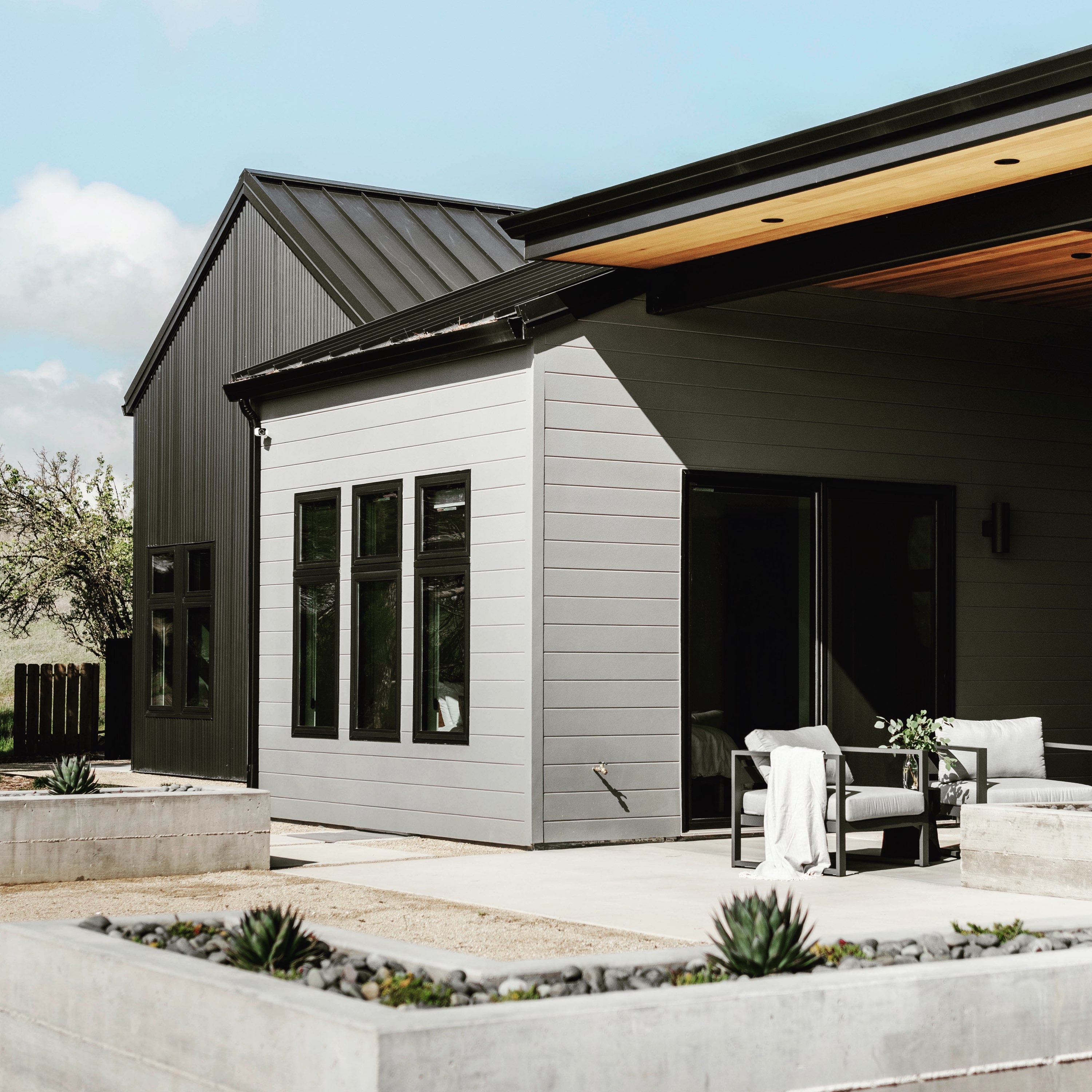
The pursuit of eco-friendly living has become a defining priority in modern residential construction. As environmental concerns intensify, the integration of sustainable principles into architectural design is no longer optional but essential. Green home architectural design offers a pathway to reduce environmental impact while enhancing the quality of life for occupants. This article explores the core elements of sustainable residential architecture, practical strategies for implementation, and the benefits that arise from adopting eco-conscious building practices.
The Principles of Green Home Architectural Design
Green home architectural design is grounded in the efficient use of resources, reduction of waste, and the creation of healthy living environments. It emphasizes the harmony between the built environment and the natural world. Key principles include:
Energy Efficiency: Designing homes that minimize energy consumption through insulation, natural ventilation, and the use of renewable energy sources such as solar panels.
Water Conservation: Incorporating systems that reduce water use, including rainwater harvesting, low-flow fixtures, and greywater recycling.
Sustainable Materials: Selecting building materials that are renewable, recycled, or have low environmental impact during production and disposal.
Indoor Environmental Quality: Ensuring adequate natural light, air quality, and thermal comfort to promote occupant health.
Site Sensitivity: Designing with respect to the local climate, topography, and ecosystem to minimize disruption and maximize natural benefits.
These principles guide architects and builders in creating homes that are not only environmentally responsible but also economically viable and comfortable.

Modern eco-friendly house featuring solar panels and natural landscaping
Implementing Green Home Architectural Design in Residential Projects
The practical application of green home architectural design requires a comprehensive approach that integrates design, materials, and technology. The following strategies are commonly employed:
Passive Solar Design: Orienting the home to maximize natural sunlight during winter and provide shade during summer reduces reliance on mechanical heating and cooling.
High-Performance Insulation and Windows: Using advanced insulation materials and double or triple-glazed windows helps maintain indoor temperatures and reduce energy loss.
Renewable Energy Integration: Installing photovoltaic panels or solar water heaters contributes to energy self-sufficiency.
Efficient HVAC Systems: Employing heat recovery ventilators and energy-efficient heating and cooling systems lowers energy consumption.
Sustainable Landscaping: Utilizing native plants and xeriscaping techniques reduces water use and supports local biodiversity.
Smart Home Technologies: Incorporating automated systems for lighting, temperature control, and water management enhances efficiency and convenience.
Each of these elements can be tailored to the specific needs of a project, climate conditions, and budget constraints, ensuring that sustainability is achieved without compromising design quality.
Materials and Technologies Driving Sustainable Residential Architecture
The selection of materials and technologies plays a critical role in the success of eco-friendly homes. Innovations in this area continue to expand the possibilities for sustainable construction:
Recycled and Reclaimed Materials: Using reclaimed wood, recycled metal, and repurposed bricks reduces the demand for virgin resources.
Low-VOC Paints and Finishes: These products improve indoor air quality by minimizing harmful chemical emissions.
Green Roofs and Walls: Vegetated surfaces provide insulation, reduce stormwater runoff, and improve urban air quality.
Advanced Glazing Systems: Electrochromic or smart glass can adjust transparency to control heat gain and glare.
Energy-Efficient Appliances: Selecting appliances with high Energy Star ratings contributes to overall energy savings.
The integration of these materials and technologies requires careful planning and coordination among architects, engineers, and contractors to ensure optimal performance and durability.

Close-up of a green roof supporting native plants alongside solar energy systems
Economic and Environmental Benefits of Sustainable Residential Architecture
Adopting green home architectural design yields significant benefits that extend beyond environmental stewardship. These advantages include:
Reduced Operating Costs: Energy-efficient homes typically incur lower utility bills due to decreased energy and water consumption.
Increased Property Value: Sustainable features are increasingly sought after by buyers, enhancing marketability and resale value.
Improved Occupant Health and Comfort: Better air quality, natural lighting, and thermal regulation contribute to well-being.
Lower Carbon Footprint: Reduced reliance on fossil fuels and sustainable material choices decrease greenhouse gas emissions.
Resilience to Climate Change: Homes designed with sustainability in mind are better equipped to withstand extreme weather events and resource scarcity.
These benefits demonstrate that sustainable residential architecture is not only an ethical choice but also a financially sound investment.
Advancing Eco-Friendly Living Through Informed Architectural Practice
The transition to eco-friendly living requires expertise and a commitment to integrating sustainability at every stage of the design and construction process. As a professional engaged in architectural services, I recognize the importance of combining aesthetic excellence with environmental responsibility. By leveraging knowledge of construction, development, and regional climate considerations, it is possible to deliver projects that meet the highest standards of green home architectural design.
For those interested in exploring sustainable residential architecture further, resources and partnerships with specialized firms can provide valuable guidance. The adoption of these practices supports a future where residential environments contribute positively to the planet and its inhabitants.
In summary, the principles and practices of green home architectural design offer a comprehensive framework for creating homes that are efficient, healthy, and environmentally responsible. Through thoughtful planning, material selection, and technological integration, it is possible to achieve eco-friendly living that aligns with contemporary demands and future challenges.
For more detailed information on sustainable residential architecture, please visit sustainable residential architecture.


Comments