
Elevating Spaces with Indoor Space Design
- John Bellisario
- Mar 23
- 4 min read
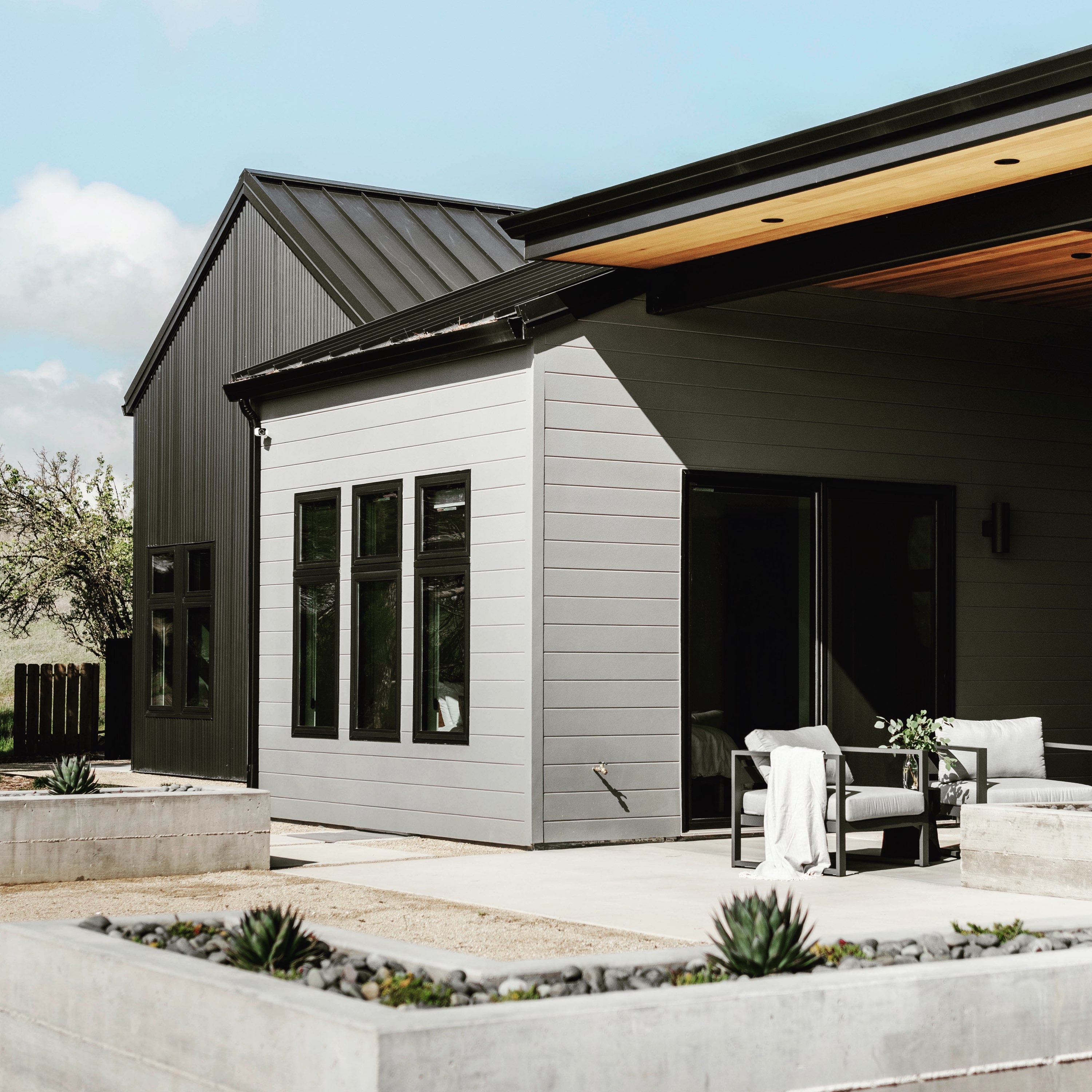
The design of indoor spaces plays a crucial role in shaping the experience of those who inhabit them. Thoughtful indoor space design not only enhances aesthetic appeal but also improves functionality, comfort, and overall well-being. This article explores the principles and practices that elevate spaces through expert design, focusing on how architectural insight can transform interiors into cohesive, purposeful environments.
The Importance of Indoor Space Design in Architecture
Indoor space design is a fundamental aspect of architectural projects, whether residential or commercial. It involves the careful planning and arrangement of interior elements to optimize usability and visual harmony. Effective design considers factors such as spatial flow, lighting, materials, and ergonomics to create environments that serve their intended purpose while maintaining a sense of balance and order.
For example, in a commercial office setting, indoor space design might prioritize open layouts that encourage collaboration, combined with private areas for focused work. In residential projects, the design often emphasizes comfort and personalization, ensuring that each room supports the lifestyle of its occupants. The integration of sustainable materials and energy-efficient systems is also increasingly important, reflecting a commitment to environmental responsibility.

Principles of Effective Indoor Space Design
Several core principles guide the creation of well-designed indoor spaces. These principles ensure that the environment is not only visually appealing but also functional and adaptable.
Spatial Planning: The arrangement of furniture and architectural elements should facilitate movement and interaction. Clear pathways and logical zoning help prevent congestion and confusion.
Lighting: Both natural and artificial lighting must be considered. Proper lighting enhances mood, highlights architectural features, and supports activities within the space.
Material Selection: Choosing appropriate materials affects durability, maintenance, and aesthetics. Materials should complement the overall design theme and meet practical needs.
Color and Texture: These elements influence perception and atmosphere. A balanced palette and varied textures can add depth and interest without overwhelming the senses.
Acoustics: Sound control is essential, especially in commercial or multi-use spaces. Acoustic treatments can improve comfort and privacy.
Flexibility: Spaces should accommodate changing needs over time. Modular furniture and adaptable layouts contribute to long-term usability.
By adhering to these principles, designers can create environments that are both beautiful and purposeful.
What's the difference between an architect and an interior architect?
Understanding the distinction between an architect and an interior architect is essential when considering a project that involves indoor space design. While both professions contribute to the built environment, their focus and scope differ.
An architect primarily concentrates on the overall structure and external form of a building. This includes the design of the building’s framework, structural integrity, and compliance with zoning and safety regulations. Architects ensure that the building functions well within its context and meets the needs of its users from a macro perspective.
In contrast, an interior architect specializes in the design and modification of interior spaces. This role bridges the gap between architecture and interior design, focusing on the spatial layout, finishes, and functional aspects within the building envelope. Interior architects often work on projects that require structural changes inside existing buildings, such as reconfiguring walls or integrating new systems, while maintaining architectural coherence.
For instance, when renovating a commercial office, an architect might design the building’s expansion, while an interior architect would plan the interior layout to optimize workflow and aesthetics. Both professionals collaborate closely to ensure a seamless integration of exterior and interior elements.
Integrating Interior Architecture into Indoor Space Design
The practice of interior architecture plays a pivotal role in elevating indoor spaces. It combines architectural principles with interior design to create environments that are structurally sound, visually cohesive, and functionally efficient.
One practical example is the use of built-in storage solutions that align with the architectural lines of a room, reducing clutter and enhancing spatial perception. Another is the strategic placement of windows and openings to maximize natural light while maintaining privacy and energy efficiency.
In commercial settings, interior architecture can improve user experience by designing reception areas that facilitate smooth visitor flow or conference rooms that support advanced audiovisual technology without compromising aesthetics. In residential projects, it might involve creating multi-functional spaces that adapt to different activities, such as a home office that converts into a guest room.

Practical Recommendations for Elevating Indoor Spaces
To achieve elevated indoor spaces, several actionable strategies can be employed:
Conduct a thorough needs assessment: Understand the specific requirements of the space users to tailor the design accordingly.
Collaborate with professionals: Engage architects, interior architects, and designers early in the process to ensure cohesive planning.
Prioritize natural light: Maximize daylight through window placement, skylights, and reflective surfaces.
Incorporate sustainable practices: Use eco-friendly materials and energy-efficient systems to reduce environmental impact.
Focus on ergonomics: Design furniture and layouts that support comfort and health.
Use technology wisely: Integrate smart systems for lighting, climate control, and security to enhance functionality.
Plan for adaptability: Design spaces that can evolve with changing needs, avoiding rigid configurations.
By following these recommendations, spaces can be transformed into environments that support productivity, comfort, and aesthetic appeal.
The Role of Studio Prime Architecture in Transforming Spaces
Studio Prime Architecture (SP-ARC) exemplifies the integration of high-end design with deep construction and development knowledge. Their approach to indoor space design reflects a commitment to elevating the entire building experience for clients in California and the western United States.
SP-ARC’s expertise ensures that every project benefits from a comprehensive understanding of architectural principles, construction realities, and client goals. This results in spaces that are not only visually striking but also practical and sustainable. Their full-service offerings cover both commercial and residential architecture, providing tailored solutions that address the unique challenges of each project.
Clients working with SP-ARC can expect a collaborative process that emphasizes clarity, precision, and attention to detail. The firm’s dedication to excellence positions it as a trusted partner for those seeking to enhance their environments through thoughtful design.
Elevating indoor spaces requires a balanced approach that integrates architectural insight with practical design principles. By focusing on spatial planning, materiality, lighting, and flexibility, it is possible to create environments that are both functional and inspiring. Engaging professionals who understand the nuances of indoor space design ensures that projects achieve their full potential, resulting in spaces that truly elevate the experience of those who use them.


Comments