
Mastering the Art of Architectural Design
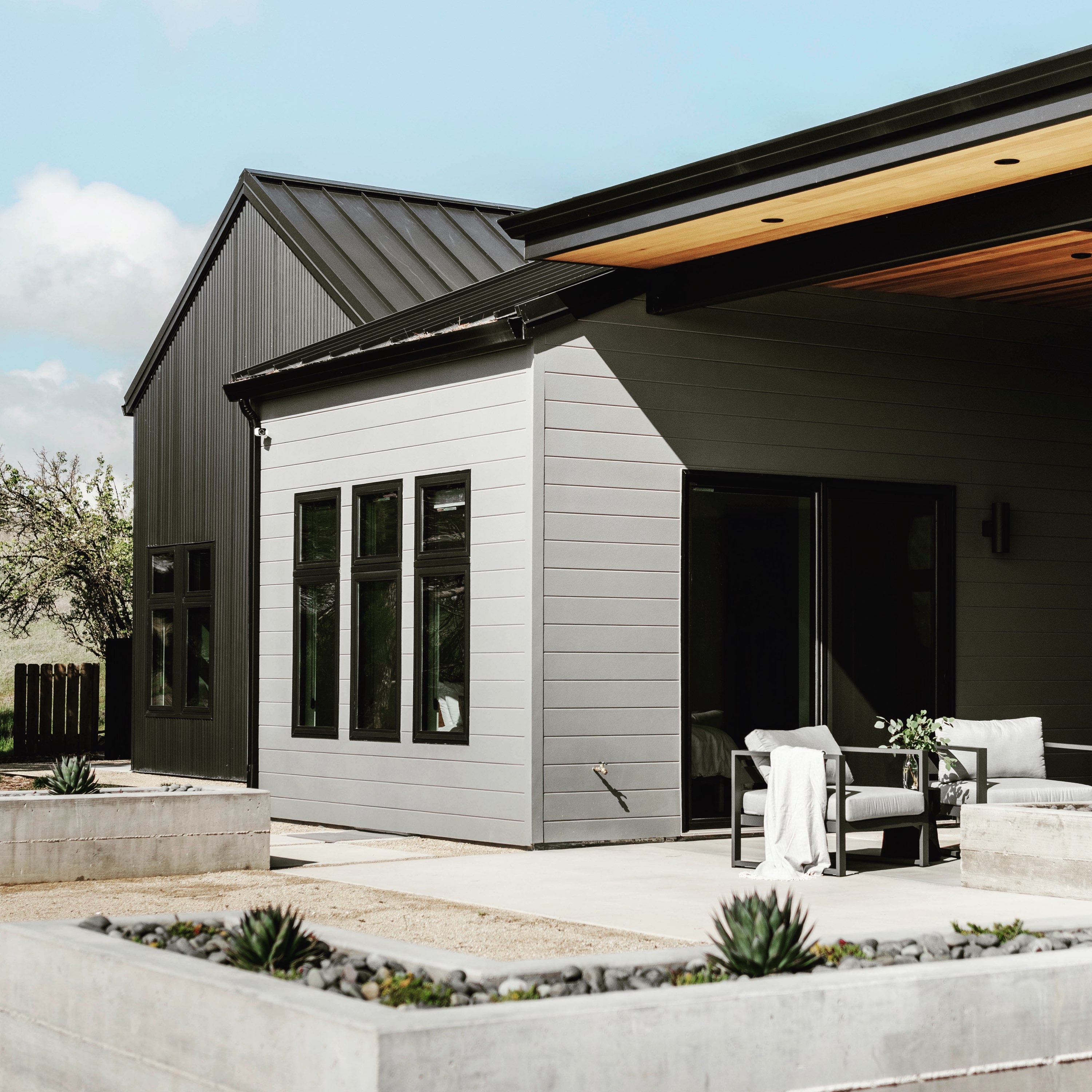
Architectural design is a discipline that combines creativity, technical knowledge, and practical considerations to shape the built environment. Mastery in this field requires a comprehensive understanding of both aesthetic principles and functional requirements. This article explores the essential elements of architectural design, offering insights into how professionals can elevate their projects through informed decision-making and strategic planning.
Understanding the Fundamentals of Architectural Design
Architectural design begins with a clear grasp of the project's purpose and context. It involves the integration of form, function, and environment to create spaces that are both visually appealing and practical. The process typically starts with site analysis, where factors such as climate, topography, and local regulations are carefully examined.
A successful design must address the needs of its users while respecting the surrounding environment. This balance is achieved through careful planning and the application of design principles such as proportion, scale, rhythm, and harmony. For example, a commercial building in an urban setting might emphasize verticality and transparency to engage with the cityscape, while a residential project in a suburban area may prioritize privacy and natural light.
In addition to aesthetics, architectural design must consider structural integrity and sustainability. Materials are selected not only for their appearance but also for their durability and environmental impact. Incorporating energy-efficient systems and sustainable building practices is increasingly important in modern design, reflecting a commitment to responsible development.

Key Components of Effective Architectural Design
Several components contribute to the effectiveness of architectural design. These include spatial organization, circulation, lighting, and materiality. Each element plays a critical role in shaping the user experience and the overall success of the project.
Spatial Organization: This refers to the arrangement of spaces within a building. Clear zoning of public, private, and service areas enhances functionality and user comfort. For instance, in a mixed-use development, retail spaces are often positioned on lower floors for accessibility, while residential units occupy upper levels for privacy.
Circulation: Efficient movement through a building is essential. Designers must plan pathways that are intuitive and accommodate the expected flow of occupants. This includes considering accessibility for individuals with disabilities and emergency egress routes.
Lighting: Both natural and artificial lighting influence the ambiance and usability of spaces. Maximizing daylight reduces energy consumption and improves occupant well-being. Thoughtful placement of windows, skylights, and light fixtures ensures balanced illumination.
Materiality: The choice of materials affects aesthetics, maintenance, and environmental performance. Durable, locally sourced materials can reduce costs and carbon footprint. For example, using reclaimed wood or recycled metal can add character while supporting sustainability goals.
By addressing these components with precision, architectural design can achieve a harmonious blend of beauty and practicality.
What are the 7 Different Types of Architecture?
Understanding the various types of architecture provides a foundation for selecting appropriate design approaches. Each type reflects distinct historical, cultural, and functional influences.
Classical Architecture: Characterized by symmetry, columns, and proportion, this style draws inspiration from ancient Greek and Roman buildings. It is often used in institutional and governmental structures.
Gothic Architecture: Known for pointed arches, ribbed vaults, and flying buttresses, Gothic architecture is prevalent in cathedrals and churches, emphasizing verticality and light.
Baroque Architecture: This style features dramatic use of light and shadow, bold ornamentation, and dynamic shapes, often seen in palaces and churches from the 17th century.
Modern Architecture: Emphasizing simplicity, functionality, and the use of new materials like steel and glass, modern architecture rejects ornamentation in favor of clean lines.
Postmodern Architecture: A reaction to modernism, postmodernism reintroduces ornament, color, and historical references, often with playful or ironic elements.
Sustainable Architecture: Focused on minimizing environmental impact, this type incorporates energy-efficient systems, renewable materials, and designs that respond to local climates.
Vernacular Architecture: Rooted in local traditions and materials, vernacular architecture reflects the cultural and environmental context of a region.
Each type offers unique lessons and techniques that can inform contemporary architectural design projects.

Integrating Construction and Development Knowledge into Design
A critical aspect of mastering architectural design is the integration of construction and development expertise. This holistic approach ensures that designs are not only visionary but also feasible and cost-effective.
Understanding construction methods allows designers to select appropriate materials and structural systems that align with the project's goals. For example, knowledge of prefabrication techniques can lead to faster construction timelines and reduced waste. Similarly, awareness of local building codes and zoning regulations helps avoid costly revisions and delays.
Development knowledge encompasses market analysis, budgeting, and project management. By considering these factors early in the design process, architects can create solutions that meet client expectations and financial constraints. This approach fosters collaboration among stakeholders, including contractors, engineers, and clients, resulting in a smoother project delivery.
In practice, this means that architectural design is not an isolated creative exercise but a coordinated effort that balances aesthetics, functionality, and practicality.
Strategies for Elevating Architectural Design Projects
To achieve excellence in architectural design, several strategies can be employed throughout the project lifecycle:
Comprehensive Research: Begin with thorough site and context analysis. Understand the environmental conditions, cultural heritage, and community needs.
Client Collaboration: Engage clients in the design process to ensure their vision and requirements are accurately reflected.
Iterative Design Development: Use sketches, models, and digital tools to explore multiple design options and refine solutions.
Sustainability Integration: Prioritize energy efficiency, material selection, and waste reduction to create environmentally responsible buildings.
Technological Adoption: Utilize Building Information Modeling (BIM) and other software to enhance precision and coordination.
Quality Control: Implement rigorous review processes to maintain design integrity and compliance with standards.
Post-Occupancy Evaluation: Assess building performance after completion to inform future projects and improve user satisfaction.
By applying these strategies, architectural design can be elevated to meet the highest standards of quality and innovation.
Advancing Architectural Design in the Western United States
The western United States presents unique opportunities and challenges for architectural design. Diverse climates, seismic activity, and a strong emphasis on sustainability shape the region's building practices.
In California and neighboring states, there is a growing demand for high-end architectural services that integrate construction and development knowledge. This trend reflects a desire for buildings that are not only visually striking but also resilient and efficient.
Professionals operating in this region must stay informed about local regulations, environmental considerations, and market dynamics. Collaborating with experienced firms that understand these factors can enhance project outcomes.
The future of architectural design in the western US lies in innovation, adaptability, and a commitment to excellence. By mastering the art of architectural design, practitioners can contribute to the creation of spaces that enrich communities and stand the test of time.


Comments