
Building in the Coastal Zone: Cambria, Cayucos, Los Osos and Avila
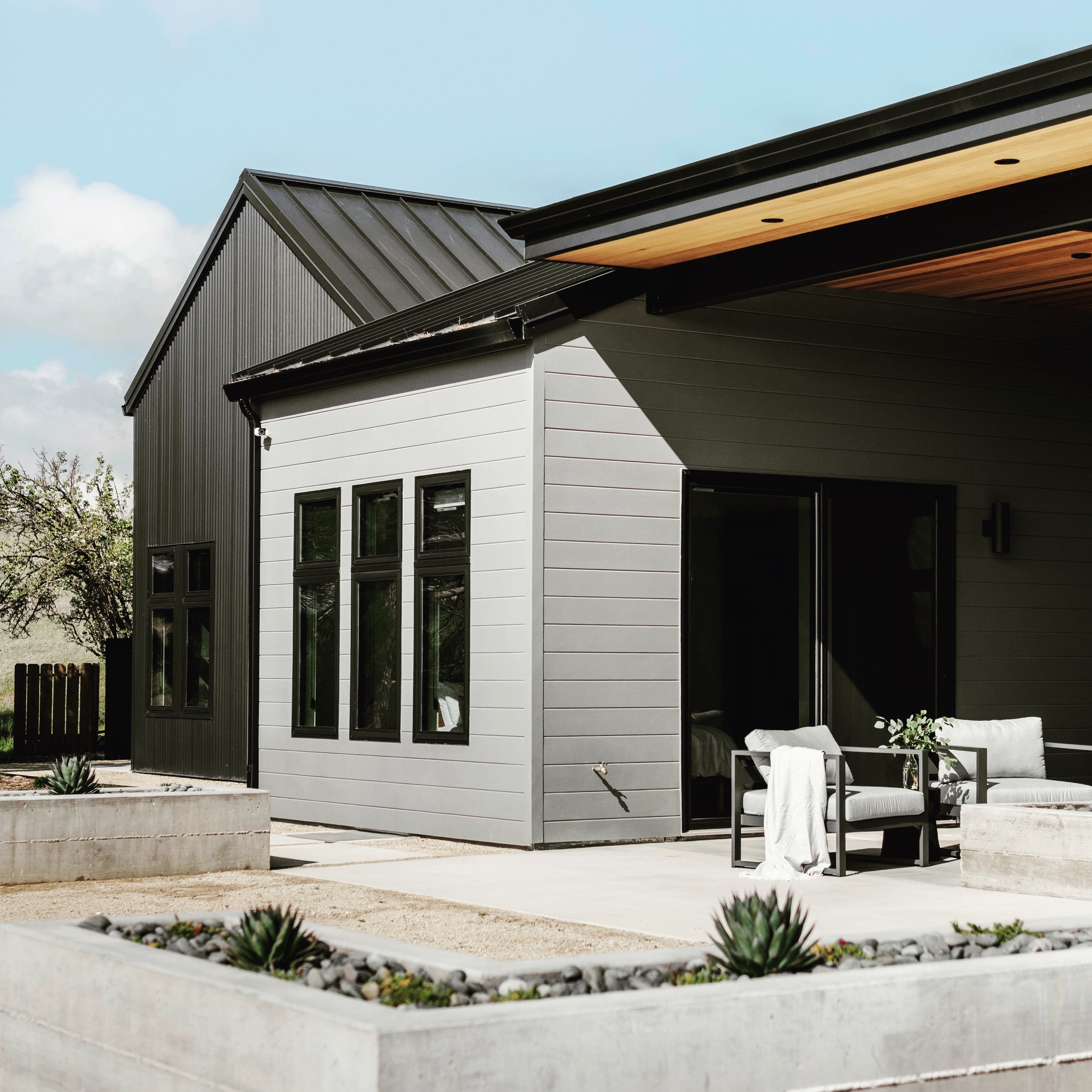
Owning a lot near the coast in San Luis Obispo County is a special thing. Building on it takes more planning than building inland. Much of the coastline from San Simeon to Avila Beach sits inside the California Coastal Zone, where a separate layer of rules applies to almost every new home, addition and remodel.
Here is what that means in practice and what to check before you design.
What the Coastal Zone adds
Inside the Coastal Zone, most projects need a Coastal Development Permit before the building permit can be issued. In unincorporated San Luis Obispo County, the County reviews these under its Local Coastal Program. Some coastal permits can be appealed to the California Coastal Commission, which can add time and uncertainty.
A coastal review looks at more than the building code. Common topics include:
Public views from roads, beaches and trails
Bluff and shoreline setbacks, and long-term erosion
Environmentally sensitive habitat, wetlands, creeks and native plant areas
Archaeological resources
Water and sewer capacity for new development
Height, size and neighborhood character, often set by community-specific standards
Town by town
Cambria. Water is the main question. The Cambria Community Services District has had a moratorium on new water connections since 2001, and hundreds of properties sit on its wait list. A vacant lot without an existing water connection is very hard to build on today. Remodels and replacement homes on lots that already have service are a different story. Confirm a lot's water status before you buy or design.
Los Osos. After more than 35 years, the building moratorium tied to the community's sewer was lifted in 2024. New homes are possible again, but growth is still capped because of groundwater limits. For 2026 the County allows a 0.4% growth rate in Los Osos, about 25 new homes, with permits allocated under that cap.
Cayucos. New homes and additions are possible, with close attention to views, height, bluff setbacks and the small-town scale of the neighborhoods. Confirm water and sewer service early.
Avila Beach. Expect review of views, hillside and shoreline conditions and neighborhood character, plus confirmation of utility service.
In every one of these towns, and anywhere else in the county, a property inside the Coastal Zone adds another layer of review, time and planning compared with a similar lot inland. That comes on top of the local issues above.
Design that fits the coast
Coastal homes have to handle salt air, wind, fog and sun, and they are seen from public places. Good coastal design usually means:
Durable materials that stand up to salt air: fiber cement, stucco, stone, metal and well-detailed wood
Corrosion-resistant hardware, flashing and fasteners
Rooflines and massing that step with the site and respect views
Windows placed for the view and protected from the prevailing wind
Landscaping with native, low-water plants
Near the ocean, some materials simply hold up better. Fiber cement, stucco and composite woods resist the salt air, moisture and sun that wear down other cladding. For windows and doors, most major manufacturers offer coastal packages with upgraded hardware and finishes made for salty air, and we specify them on coastal homes. We also use stainless steel fasteners and connectors, metal roofing and trim with finishes rated for coastal exposure, well-sealed flashing, and roof overhangs that shield walls and openings from wind-driven rain. Choosing the right materials up front costs less than replacing corroded hardware and weathered siding a few years later.
What to check before you buy or design
Confirm the parcel is in the Coastal Zone and which community plan applies
Confirm water and sewer service, or the path to get it
Order a survey and, near a bluff, a geotechnical and bluff erosion report
Check for habitat, creeks or archaeological concerns on or near the lot
Ask what height, size and setback standards apply
Build coastal permit time into your schedule and your purchase contingencies
What owners miss most often is the added time and cost of planning-level approvals in the Coastal Zone. Coastal areas can also carry special overlay zones, and sites with biological or archaeological sensitivity need their own studies and review. Those steps add cost and months to the schedule, and they are rarely in an owner's budget until we walk through the site together.
For more on schedules, see our post on permit timelines in SLO County, the City of San Luis Obispo and Paso Robles.
Plan your coastal home with us
Studio Prime Architecture (SP-ARC) designs homes and additions in Cambria, Cayucos, Los Osos, Avila and along the Central Coast, and we start every coastal project by confirming what the lot can support. See our Custom Homes and Estates page, or contact us to talk about your property.


Comments