
Elevating Spaces with Indoor Space Design
- John Bellisario
- Feb 23
- 4 min read
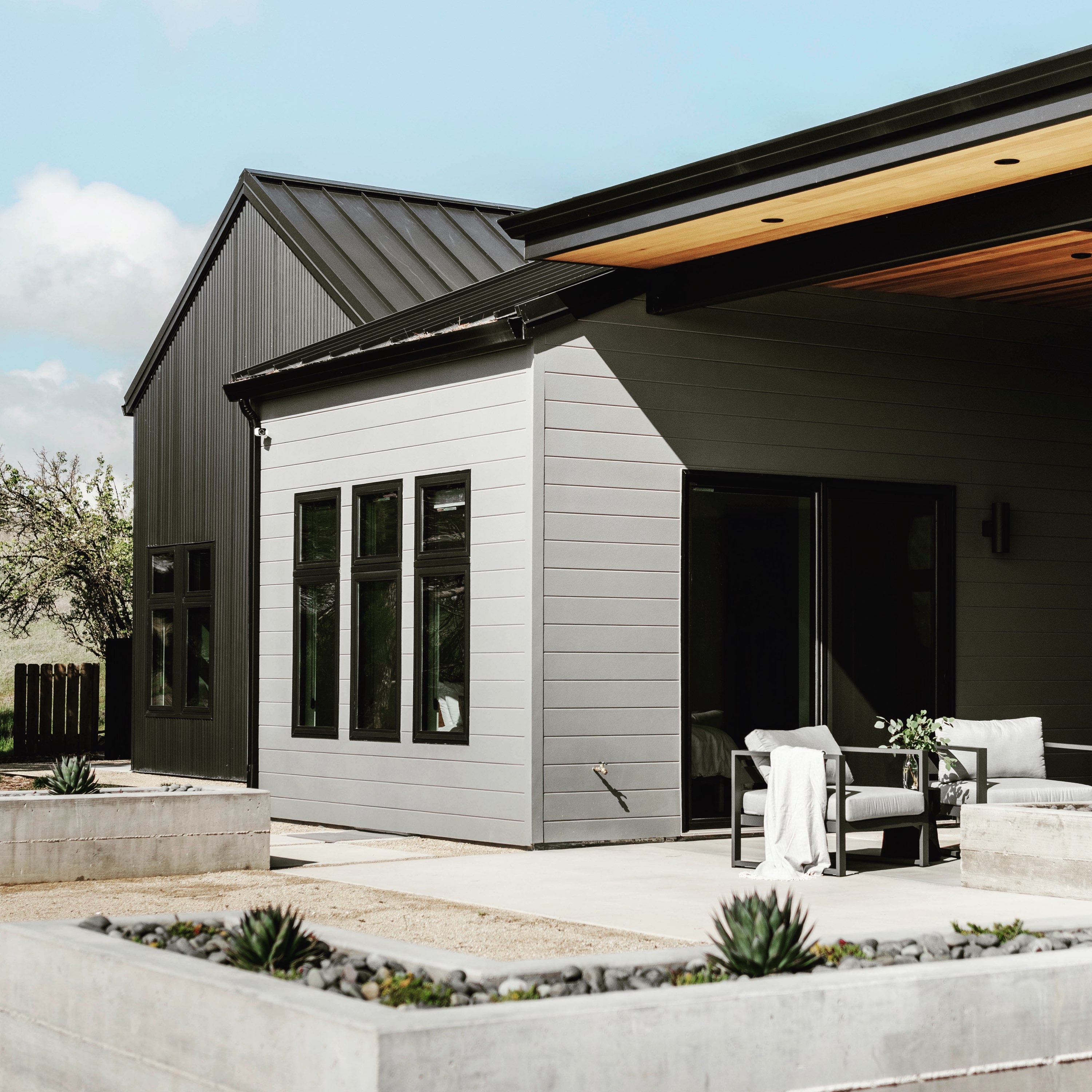
The design of indoor spaces plays a crucial role in shaping the functionality, aesthetics, and overall experience of any built environment. As a professional deeply involved in architectural projects, I have observed that the integration of thoughtful indoor space design can significantly enhance both residential and commercial properties. This article explores the principles and practices that elevate spaces through expert design, focusing on practical insights and actionable recommendations.
The Importance of Indoor Space Design in Architecture
Indoor space design is more than just arranging furniture or selecting color schemes. It involves a comprehensive understanding of spatial relationships, light, materials, and user needs. Effective indoor space design ensures that every square foot serves a purpose, contributing to comfort, efficiency, and visual appeal.
For example, in residential projects, optimizing natural light and ventilation can improve energy efficiency and occupant well-being. In commercial settings, well-planned layouts facilitate workflow, customer engagement, and brand identity. The goal is to create environments that are not only beautiful but also functional and sustainable.
Key considerations in indoor space design include:
Spatial flow: Ensuring smooth movement between areas.
Proportion and scale: Balancing room sizes and furniture dimensions.
Material selection: Choosing finishes that complement the design and usage.
Lighting: Combining natural and artificial sources for ambiance and utility.
By addressing these elements, designers can transform ordinary interiors into elevated spaces that meet diverse needs.

Principles of Indoor Space Design for Residential and Commercial Projects
Successful indoor space design relies on a set of guiding principles that apply across project types. These principles help maintain coherence and functionality throughout the design process.
Functionality First
Every space should be designed with its intended use in mind. For instance, a commercial office requires efficient workstations and meeting areas, while a home prioritizes comfort and privacy.
Flexibility and Adaptability
Spaces should accommodate changing needs. Modular furniture, movable partitions, and multi-purpose rooms enhance adaptability.
Aesthetic Consistency
A unified design language, including color palettes, textures, and architectural details, creates harmony.
Sustainability
Incorporating energy-efficient systems, sustainable materials, and passive design strategies reduces environmental impact.
User-Centered Design
Understanding the occupants’ lifestyle or business operations ensures the space supports their activities effectively.
For example, in a retail environment, clear sightlines and accessible product displays improve customer experience. In a home, creating zones for socializing, working, and relaxing enhances daily living.

What's the difference between an architect and an interior architect?
The distinction between an architect and an interior architect often causes confusion, yet it is essential for understanding the scope of services offered in building design.
An architect primarily focuses on the overall structure of a building. This includes the exterior design, structural integrity, site planning, and compliance with building codes. Architects are responsible for the building’s form, function, and safety from a macro perspective.
An interior architect, on the other hand, specializes in the design and modification of interior spaces. Their work bridges architecture and interior design, addressing spatial planning, materials, lighting, and finishes within the building envelope. Interior architects ensure that the interior environment supports the building’s purpose while enhancing user experience.
While architects and interior architects collaborate closely, the latter’s expertise lies in refining the indoor environment to elevate the quality of life and work within the space. This specialization is particularly valuable in complex projects where interior functionality and aesthetics are paramount.
Integrating Interior Architecture into Project Development
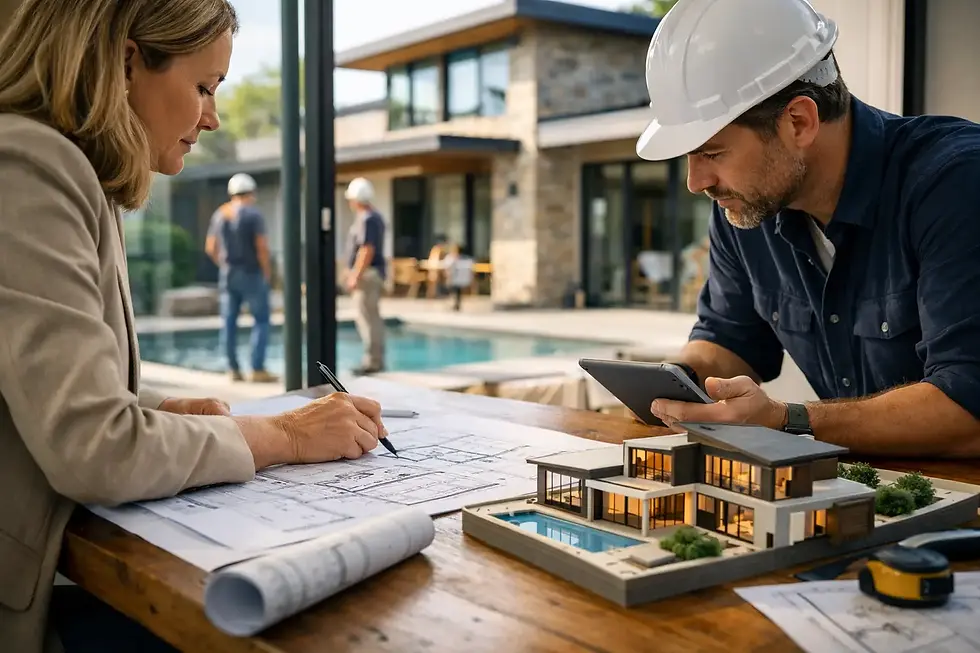
Incorporating interior architecture early in the project development phase can lead to superior outcomes. This integration allows for seamless coordination between structural elements and interior details, avoiding costly revisions and ensuring design coherence.
For example, during the schematic design phase, input from interior architects can influence decisions about ceiling heights, window placements, and circulation paths. This collaboration ensures that the interior spaces are not an afterthought but a fundamental component of the building’s design.
Practical steps to integrate interior architecture include:
Early collaboration: Engage interior architects alongside architects and engineers from the outset.
Shared digital models: Use Building Information Modeling (BIM) to coordinate design elements.
Regular design reviews: Conduct interdisciplinary meetings to align objectives and resolve conflicts.
Client involvement: Keep clients informed about interior design decisions to ensure their needs are met.
This approach results in spaces that are both architecturally sound and finely tuned to user requirements.
Practical Recommendations for Elevating Indoor Spaces
To elevate indoor spaces effectively, several practical strategies can be employed:
Maximize natural light: Use large windows, skylights, and reflective surfaces to enhance brightness.
Optimize acoustics: Incorporate sound-absorbing materials to improve comfort, especially in commercial environments.
Select durable materials: Choose finishes that withstand wear and tear while maintaining aesthetic appeal.
Incorporate technology: Integrate smart systems for lighting, climate control, and security to enhance functionality.
Create focal points: Use architectural features or art installations to add interest and character.
Prioritize accessibility: Design spaces that accommodate all users, including those with disabilities.
For instance, in a high-end residential project, combining hardwood floors with strategically placed lighting and custom cabinetry can create a warm, inviting atmosphere. In a commercial lobby, durable stone flooring paired with dynamic lighting can convey professionalism and elegance.
By applying these recommendations, designers can ensure that indoor spaces are not only visually appealing but also practical and enduring.
The Role of Studio Prime Architecture in Elevating Building Experiences
Studio Prime Architecture (SP-ARC) is committed to delivering high-end architectural design that is deeply informed by construction and development knowledge. This expertise allows the firm to elevate the entire building experience for clients across California and the western United States.
SP-ARC’s approach emphasizes:
Comprehensive design services: From concept through construction, ensuring quality and consistency.
Collaborative process: Engaging clients and stakeholders to align vision and execution.
Innovative solutions: Applying the latest technologies and sustainable practices.
Attention to detail: Focusing on both macro and micro design elements to create cohesive environments.
Clients benefit from a firm that understands the complexities of both architecture and interior space design, resulting in projects that are functional, beautiful, and enduring.
Elevating indoor spaces requires a disciplined approach that balances aesthetics, functionality, and sustainability. By understanding the principles of indoor space design, recognizing the distinct roles within the design team, and integrating interior architecture early in the process, it is possible to create environments that truly enhance the user experience. The expertise of firms like Studio Prime Architecture ensures that these goals are met with precision and professionalism.

Comments