
Why the Architectural Design Build Approach Works
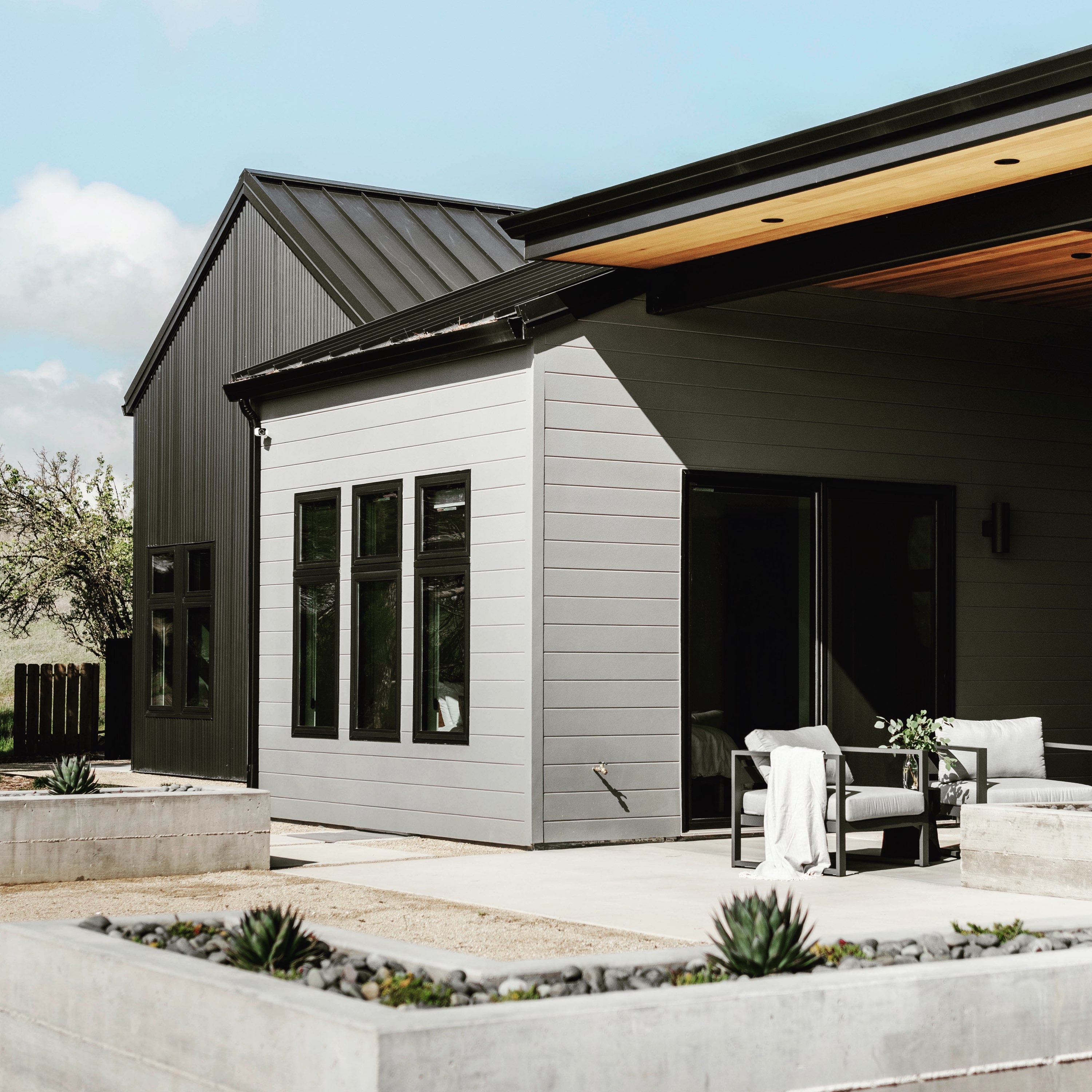
A project can look promising on paper and still lose momentum once pricing, permits, and field conditions begin to shape the real outcome. That gap is exactly why the architectural design build approach continues to gain traction with owners, developers, and business leaders who need more than attractive drawings. They need a process that connects design intent to budget, constructability, approvals, and execution from the start.
For sophisticated clients, this is not about choosing a trend. It is about reducing fragmentation. Traditional delivery methods often separate design decisions from construction realities until late in the process, when changes are more expensive and timelines are harder to recover. A more integrated model gives the team a better chance to make informed decisions earlier, when they still have leverage.
What the architectural design build approach actually changes
At its core, the architectural design build approach aligns design leadership and construction thinking within one coordinated framework. Instead of treating architecture and construction as isolated phases, the project is developed with continuous input on scope, cost, sequencing, systems, and buildability.
That does not mean every project has the same structure or that one firm performs every role in the exact same way. The point is integration. When architectural planning, technical documentation, and construction coordination are developed in concert, the owner is less likely to receive conflicting guidance from separate parties protecting separate interests.
This matters most on projects with meaningful constraints. A mixed-use development navigating entitlement issues, a commercial renovation with operational downtime concerns, or a custom residence with site-specific engineering challenges all benefit from fewer handoff points and clearer accountability.
Why owners and developers prefer integrated project delivery
From an owner perspective, the strongest advantage is earlier visibility into real-world implications. Design ideas are evaluated not only for appearance and performance, but also for cost, scheduling impact, code issues, and construction complexity. That tends to improve decision quality.
It also changes the tone of the project. In a fragmented structure, teams can drift into a reactive posture. Architects may defend design intent, contractors may flag budget pressure, and owners are left to reconcile opposing recommendations. In a coordinated model, those conversations happen earlier and with better information. The result is often less redesign, fewer surprises in bidding or procurement, and a more disciplined path to construction.
There is also a practical efficiency benefit. When consultants, design leads, and construction stakeholders are collaborating from the outset, documentation can be better aligned with how the work will actually be executed. That does not eliminate revisions or field changes entirely. No serious professional would promise that. But it does reduce the number of avoidable disconnects.
Cost control starts before construction pricing
One of the most common misconceptions is that cost control begins when drawings are complete and pricing goes out. By then, many of the most consequential decisions have already been made. Building form, structural logic, system selection, code strategy, and material direction all shape the budget long before a contractor submits a number.
The architectural design build approach is effective because it treats cost as a design input, not just a construction output. That allows the team to compare options while they are still flexible. A layout can be adjusted before it creates structural inefficiency. A facade concept can be refined before it drives procurement issues. A code path can be clarified before it causes redesign during permit review.
This is especially valuable in California and the western United States, where labor costs, jurisdictional requirements, and site constraints can place significant pressure on feasibility. Early coordination does not make those realities disappear, but it gives the owner a more reliable basis for planning around them.
Speed matters, but only when it is disciplined
Clients are often told that design-build is faster. Sometimes it is. Sometimes it is not. The better answer is that it can compress timelines when the process is well managed and the scope is sufficiently defined.
Speed comes from overlap and clarity. Site analysis, entitlement strategy, consultant coordination, design development, and preconstruction planning can move forward with fewer pauses between phases. Questions are answered by a connected team rather than passed between separate contracts. Decisions that would otherwise stall progress can be resolved in a more direct setting.
But accelerated delivery only works when the project is organized around disciplined milestones. If the team moves too quickly without defining owner priorities, documenting assumptions, or aligning scope, the schedule savings can disappear later in the form of revisions and change orders. Integration supports speed. It does not replace planning.
Better design does not require separation from construction
There is still a persistent belief in some circles that design quality suffers when architecture is too close to cost or construction realities. That assumption is outdated. In practice, many of the strongest projects come from teams that can hold both ambitions at once.
A well-run integrated process does not diminish design excellence. It strengthens it by testing ideas against actual constraints early enough to refine them intelligently. Good architecture is not only expressive. It is durable, code-compliant, buildable, and responsive to the client's operational and financial goals.
That is particularly relevant for clients who are not commissioning architecture as an abstract exercise. They are creating assets, workplaces, homes, and community-serving spaces that must perform over time. Design quality is not separate from execution quality. The two are linked.
Where the approach delivers the most value
Not every project needs the same level of integration, but certain project types benefit substantially. Ground-up commercial buildings often require tight coordination across consultants, budgets, and approvals. Multifamily and mixed-use projects can gain from early alignment between entitlement strategy, unit planning, structural systems, and construction cost. High-end residential work benefits when design refinement is paired with practical awareness of site logistics, detailing, and material lead times.
Adaptive reuse and renovation projects may benefit the most. Existing conditions have a way of challenging assumptions. Hidden utilities, nonconforming elements, incomplete documentation, and phased occupancy needs can all create risk. When design and construction thinking are integrated from the start, the team is better positioned to identify those issues before they become expensive disruptions.
The trade-offs clients should understand
No delivery model is automatically superior in every circumstance. The architectural design build approach has clear advantages, but owners should still evaluate fit carefully.
An integrated structure can feel unfamiliar to clients who are used to keeping design and construction fully separate for oversight reasons. Some owners prefer independent checks at each stage, especially on large institutional or publicly scrutinized projects. That can be appropriate depending on governance, procurement requirements, and stakeholder expectations.
It also places a premium on choosing the right partner. Because the process relies on alignment, weak leadership or limited technical depth can create blind spots rather than solve them. Integration only works when the team has genuine architectural capability, development awareness, code fluency, and construction knowledge. If one of those components is missing, the model loses much of its value.
This is where a master-builder mindset becomes more than branding. It reflects an operating philosophy in which design decisions are informed by entitlement, documentation standards, field conditions, and long-term project goals. Firms such as SP-ARC bring value when they can bridge those domains with consistency rather than treat them as disconnected specialties.
What to ask before choosing this path
Before moving forward, owners should look beyond whether a firm offers design-build services in name. The more useful question is how the team manages integration in practice. Ask how early budgeting is handled, how entitlement and code issues are incorporated into design, how consultant coordination is structured, and how construction-phase decisions are documented and communicated.
It is also worth asking how the firm approaches scope definition. Integrated delivery does not mean vague process. In fact, it demands clearer decision frameworks, better milestone management, and stronger owner communication. Clients should expect transparency about assumptions, alternates, and risk areas.
A capable team will speak candidly about trade-offs. They will explain where the budget is vulnerable, where the design has flexibility, where approvals may affect timing, and where site conditions could shift the plan. That level of clarity is usually a better predictor of success than promises about speed alone.
The best projects are rarely the result of one dramatic decision. They are built through a sequence of disciplined choices made early, tested often, and aligned with real constraints. If the architectural design build approach is valuable, it is because it supports that discipline while keeping design intent, technical rigor, and execution strategy in the same conversation. For owners with complex goals, that is often where better outcomes begin.


Comments