
Exploring the World of Accessory Dwelling Design
Accessory dwelling units (ADUs) have become a significant topic in contemporary architecture and urban planning. These secondary housing units, often located on the same lot as a primary residence, offer versatile solutions to housing shortages, multi-generational living, and property value enhancement. This article explores the multifaceted world of accessory dwelling design, providing insights into their benefits, design considerations, legal frameworks, and practical implementation strategies.
Understanding Accessory Dwelling Design
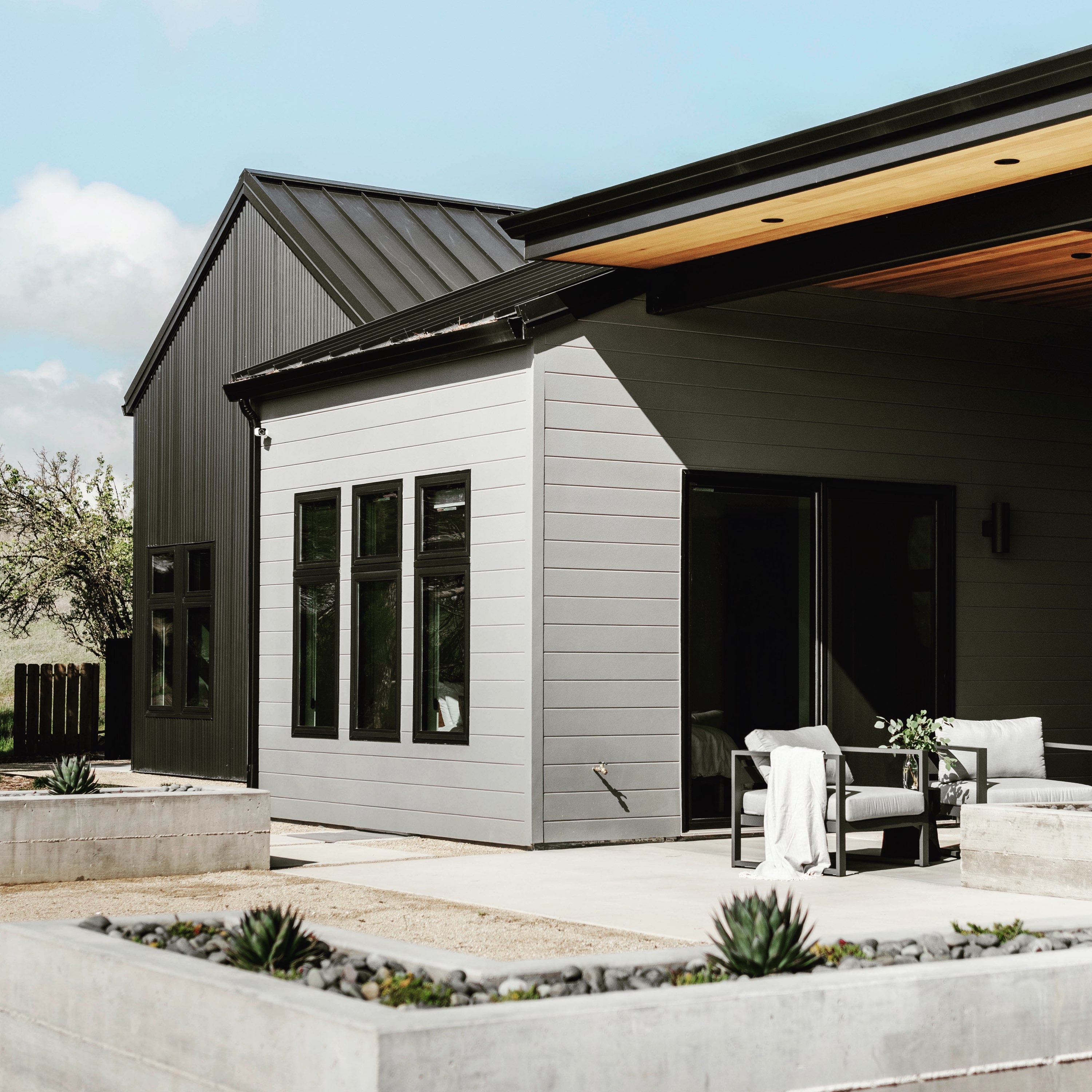
Accessory dwelling design involves creating a secondary living space that complements the primary residence while maintaining functionality and aesthetic coherence. These units can take various forms, including detached cottages, converted garages, basement apartments, or attached additions. The design process requires careful attention to scale, privacy, access, and integration with existing structures.
Key considerations in accessory dwelling design include:
Size and Layout: Typically ranging from 300 to 1,200 square feet, ADUs must balance livability with spatial constraints.
Architectural Style: The design should harmonize with the main building and neighborhood character.
Sustainability: Incorporating energy-efficient materials and systems enhances long-term value.
Accessibility: Designing for universal access can broaden the unit’s usability.
For example, a detached ADU designed as a small cottage with a pitched roof and matching siding can blend seamlessly into a residential backyard, providing privacy and comfort for occupants.

Benefits of Accessory Dwelling Units
Accessory dwelling units offer numerous advantages for property owners and communities alike. They provide flexible housing options that can accommodate aging family members, adult children, or tenants. Additionally, ADUs can generate rental income, offsetting mortgage costs and increasing property value.
From a community perspective, ADUs contribute to increased housing density without altering neighborhood character significantly. This approach supports sustainable urban growth and reduces urban sprawl. Moreover, ADUs can serve as affordable housing alternatives in high-demand areas.
Some practical benefits include:
Increased Property Value: Well-designed ADUs can add 20% or more to a property’s market value.
Rental Income: Homeowners can lease ADUs to generate steady income.
Multi-Generational Living: ADUs facilitate independent living for family members while maintaining proximity.
Environmental Impact: Smaller units typically require fewer resources to build and maintain.
These benefits make accessory dwelling units an attractive option for homeowners and developers seeking to maximize the utility of existing properties.
What is the ADU Law in Massachusetts?
Massachusetts has enacted specific legislation to encourage the development of accessory dwelling units. The state’s ADU law aims to address housing shortages by simplifying the approval process and reducing regulatory barriers.
Key elements of the Massachusetts ADU law include:
Zoning Flexibility: Municipalities must allow at least one ADU per single-family lot.
Owner Occupancy: The law permits owner occupancy in either the primary residence or the ADU.
Size Limits: ADUs are generally limited to 1,000 square feet or 30% of the primary dwelling’s size, whichever is smaller.
Parking Requirements: Some localities have reduced or waived parking requirements for ADUs.
Building Codes: ADUs must comply with state building and safety codes.
This legislation facilitates the creation of accessory dwelling units by streamlining permitting and encouraging municipalities to adopt ADU-friendly zoning ordinances. Homeowners and developers in Massachusetts benefit from clearer guidelines and increased opportunities to add secondary units.

Design Challenges and Solutions in ADU Development
Designing accessory dwelling units presents unique challenges that require thoughtful solutions. Constraints such as limited lot size, privacy concerns, and neighborhood compatibility must be addressed to ensure successful integration.
Common Challenges
Space Limitations: Small lots restrict the size and placement of ADUs.
Privacy: Ensuring privacy for both primary and accessory units is essential.
Access and Parking: Providing separate entrances and adequate parking can be difficult.
Neighborhood Aesthetics: Maintaining the character of the neighborhood while adding new structures.
Practical Solutions
Vertical Design: Building upward rather than outward can maximize space on small lots.
Landscaping: Strategic use of fences, hedges, and trees can enhance privacy.
Shared Driveways: Designing shared access points reduces the need for additional curb cuts.
Architectural Consistency: Matching materials and styles with the primary residence preserves neighborhood harmony.
For instance, a two-story ADU with a private entrance and screened outdoor space can provide both independence and privacy for occupants. Employing sustainable materials and energy-efficient systems further enhances the unit’s appeal.
Implementing Accessory Dwelling Units: Practical Recommendations
Successful implementation of accessory dwelling units requires a comprehensive approach that integrates design, legal compliance, and construction expertise. The following recommendations can guide homeowners and developers through the process:
Conduct a Site Analysis: Evaluate lot size, topography, and existing structures to determine feasible ADU options.
Consult Local Regulations: Review zoning laws, building codes, and permitting requirements specific to the location.
Engage Professional Services: Collaborate with architects, engineers, and contractors experienced in ADU projects.
Develop a Detailed Design Plan: Focus on functionality, aesthetics, and sustainability.
Plan for Utilities and Infrastructure: Ensure adequate connections for water, electricity, and sewage.
Consider Future Use: Design flexible spaces that can adapt to changing needs.
Budget Realistically: Account for design, permitting, construction, and contingency costs.
By following these steps, property owners can navigate the complexities of accessory dwelling units adus effectively, resulting in high-quality, compliant, and valuable secondary housing.
The Future of Accessory Dwelling Units in Residential Architecture
The growing interest in accessory dwelling units reflects broader trends in housing and urban development. As cities and suburbs seek innovative solutions to accommodate population growth and changing demographics, ADUs are poised to play an increasingly important role.
Advancements in modular construction, sustainable materials, and smart home technologies are likely to influence future accessory dwelling design. Additionally, evolving regulations and incentives may further encourage adoption.
Architectural firms specializing in residential and commercial projects, such as Studio Prime Architecture (SP-ARC), are uniquely positioned to lead this transformation. Their expertise in integrating design with construction and development knowledge elevates the building experience for clients seeking sophisticated, functional, and compliant ADUs.
In summary, accessory dwelling units represent a practical and strategic approach to expanding housing options. Through careful design, adherence to legal frameworks, and professional collaboration, these units can enhance property value, support diverse living arrangements, and contribute to sustainable community growth.


Comments