
Sustainable Residential Architecture for Modern Living: Embracing Sustainable Home Design
- John Bellisario
- Mar 9
- 4 min read
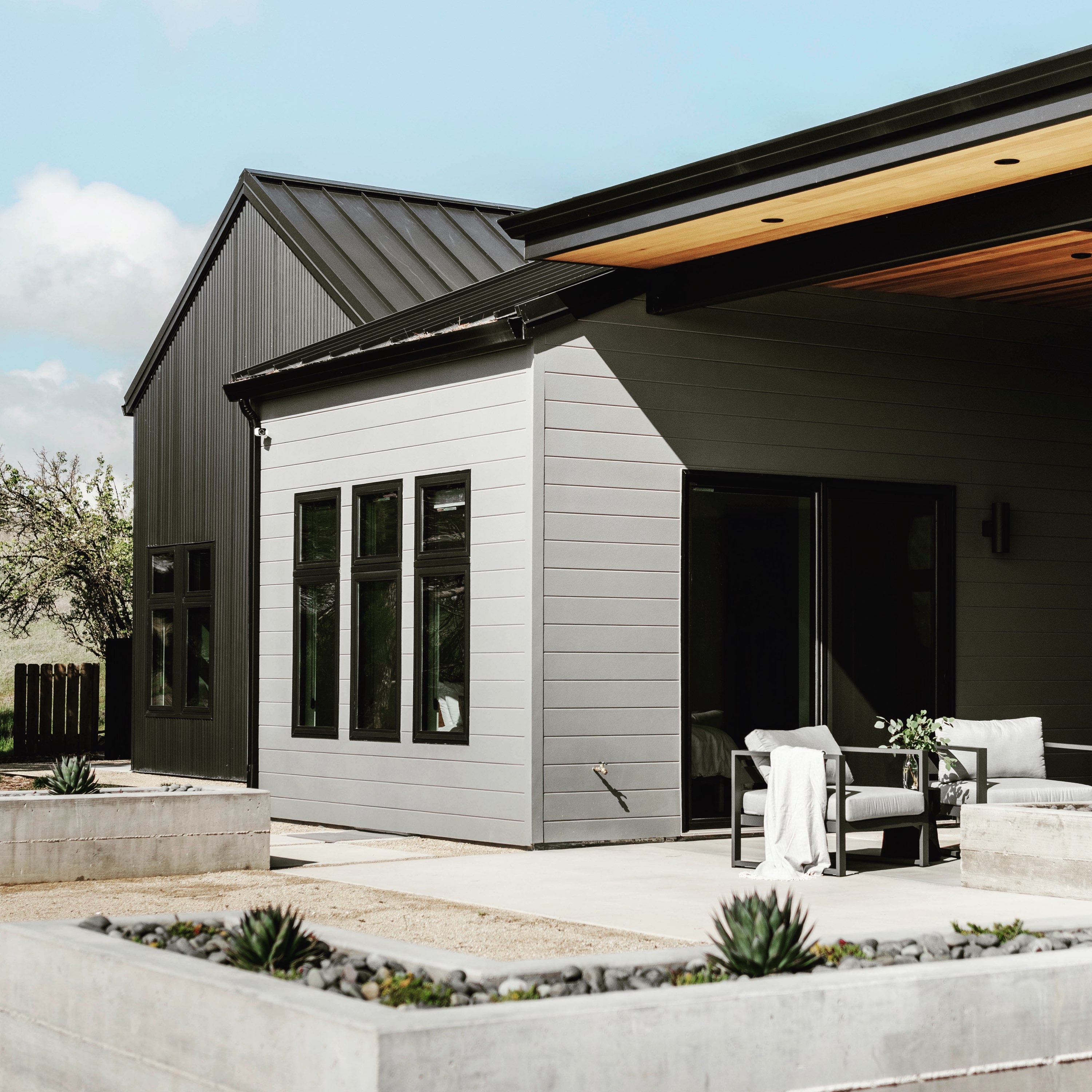
The evolution of residential architecture has increasingly emphasized sustainability as a core principle. Modern living demands homes that are not only aesthetically pleasing and functional but also environmentally responsible and resource-efficient. Sustainable home design integrates these priorities, creating living spaces that minimize ecological impact while enhancing occupant comfort and well-being. This article explores the essential elements of sustainable residential architecture, practical strategies for implementation, and the benefits of adopting such approaches in contemporary housing projects.
Principles of Sustainable Home Design
Sustainable home design is grounded in several key principles that guide architects and developers toward environmentally conscious construction and operation. These principles include:
Energy Efficiency: Reducing energy consumption through insulation, efficient windows, and renewable energy sources.
Water Conservation: Implementing systems to reduce water use and recycle greywater.
Material Sustainability: Selecting materials with low environmental impact, such as recycled, locally sourced, or rapidly renewable products.
Indoor Environmental Quality: Ensuring healthy air quality, natural lighting, and thermal comfort.
Site Responsiveness: Designing homes that harmonize with the local climate, topography, and ecosystem.
Each principle contributes to a holistic approach that balances environmental stewardship with occupant needs. For example, energy efficiency can be achieved by incorporating high-performance insulation and triple-glazed windows, which reduce heating and cooling demands. Similarly, water conservation might involve rainwater harvesting systems and drought-tolerant landscaping.
Strategies for Implementing Sustainable Home Design
Implementing sustainable home design requires a comprehensive approach that addresses the entire lifecycle of a building, from planning and construction to operation and eventual renovation or deconstruction. The following strategies are essential:
Passive Design Techniques
Passive design optimizes natural resources to maintain comfortable indoor conditions. This includes orienting the building to maximize solar gain in winter and minimize it in summer, using shading devices, and promoting natural ventilation.
Renewable Energy Integration
Incorporating solar panels, geothermal systems, or small-scale wind turbines can significantly reduce reliance on fossil fuels. Battery storage systems enhance energy independence and resilience.
Efficient Building Envelope
A well-designed building envelope minimizes heat loss and gain. This involves high-quality insulation, airtight construction, and advanced window technologies.
Water Management Systems
Installing low-flow fixtures, greywater recycling, and rainwater capture systems reduces potable water demand and mitigates stormwater runoff.
Sustainable Material Selection
Choosing materials with low embodied energy, such as reclaimed wood, bamboo, or recycled metal, supports environmental goals. Additionally, avoiding toxic substances improves indoor air quality.
Smart Home Technologies
Automated systems for lighting, heating, and cooling optimize energy use based on occupancy and preferences, further enhancing efficiency.
These strategies can be tailored to specific project requirements and regional conditions, ensuring that sustainable home design is both practical and effective.

Benefits of Sustainable Residential Architecture
The adoption of sustainable residential architecture offers numerous advantages that extend beyond environmental impact. These benefits include:
Reduced Operating Costs
Energy-efficient systems and water-saving technologies lower utility bills, providing long-term financial savings for homeowners.
Enhanced Comfort and Health
Improved indoor air quality, natural lighting, and thermal regulation contribute to occupant well-being and productivity.
Increased Property Value
Sustainable homes often command higher market prices due to their efficiency, durability, and appeal to environmentally conscious buyers.
Environmental Protection
By reducing resource consumption and waste, sustainable homes help mitigate climate change and preserve natural ecosystems.
Regulatory Compliance and Incentives
Many jurisdictions offer incentives, tax credits, or expedited permitting for sustainable construction, facilitating project approval and reducing costs.
The integration of sustainable residential architecture principles aligns with broader societal goals of reducing carbon footprints and promoting responsible development.
Challenges and Considerations in Sustainable Home Design
While the benefits of sustainable home design are clear, several challenges must be addressed to ensure successful implementation:
Initial Cost and Budget Constraints
Sustainable materials and technologies can have higher upfront costs, requiring careful budgeting and value engineering.
Technical Expertise
Designing and constructing sustainable homes demands specialized knowledge and coordination among architects, engineers, and contractors.
Climate and Site Limitations
Local climate conditions and site characteristics may restrict certain design options, necessitating adaptive solutions.
Regulatory and Code Compliance
Navigating building codes and regulations can be complex, especially when integrating innovative technologies.
Occupant Behavior
The effectiveness of sustainable features depends on occupant engagement and proper maintenance.
Addressing these challenges involves thorough planning, stakeholder collaboration, and ongoing education to optimize outcomes.
Future Trends in Sustainable Residential Architecture
The field of sustainable residential architecture continues to evolve, driven by technological advancements and shifting societal priorities. Emerging trends include:
Net-Zero Energy Homes
Homes designed to produce as much energy as they consume, often through a combination of renewable energy and ultra-efficient design.
Circular Economy Practices
Emphasizing reuse, recycling, and modular construction to minimize waste and resource depletion.
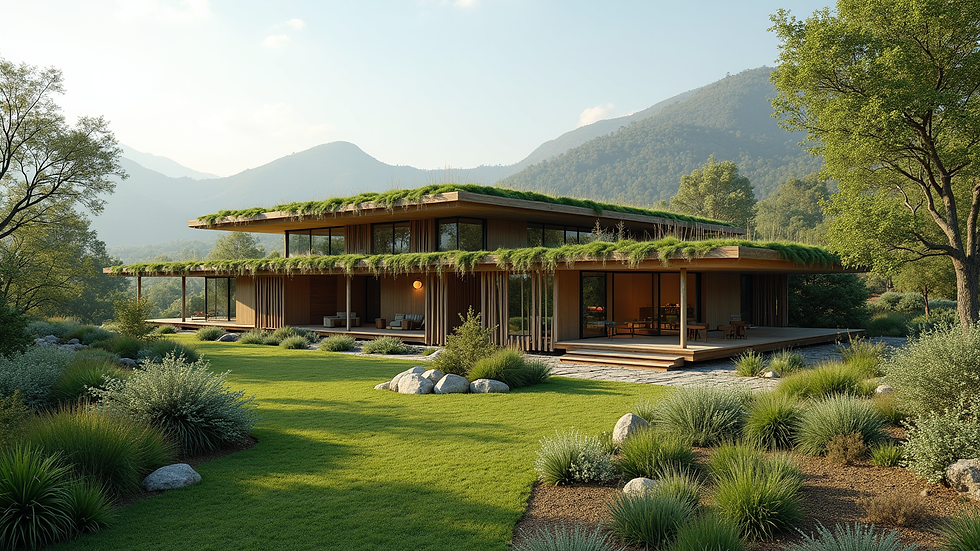
Biophilic Design
Integrating natural elements and connections to the outdoors to enhance mental health and environmental awareness.
Advanced Building Materials
Development of materials such as self-healing concrete, phase-change insulation, and bio-based composites.
Smart Grid Integration
Homes that interact dynamically with energy grids to optimize consumption and support renewable energy distribution.
These trends reflect a growing commitment to sustainability and innovation in residential architecture, promising more resilient and adaptive living environments.
Advancing Sustainable Home Design with Expert Architectural Services
Achieving the full potential of sustainable home design requires collaboration with experienced architectural professionals who understand both design aesthetics and construction realities. Firms specializing in high-end, sustainable residential projects bring valuable expertise in:
Site analysis and climate-responsive design
Material selection and specification
Integration of renewable energy and smart technologies
Coordination with contractors and regulatory agencies
Post-occupancy evaluation and performance optimization
By engaging such experts, clients can ensure that their homes meet rigorous sustainability standards while fulfilling functional and stylistic goals. This approach aligns with the mission of Studio Prime Architecture (SP-ARC) to elevate the building experience through informed, innovative design tailored to the western US region.
In summary, sustainable residential architecture represents a critical pathway toward responsible, modern living. Through deliberate design, material choices, and technology integration, it is possible to create homes that are efficient, comfortable, and environmentally sound. The continued advancement of this field will play a vital role in shaping the future of residential development.


Comments