
Exploring the World of Accessory Dwelling Design
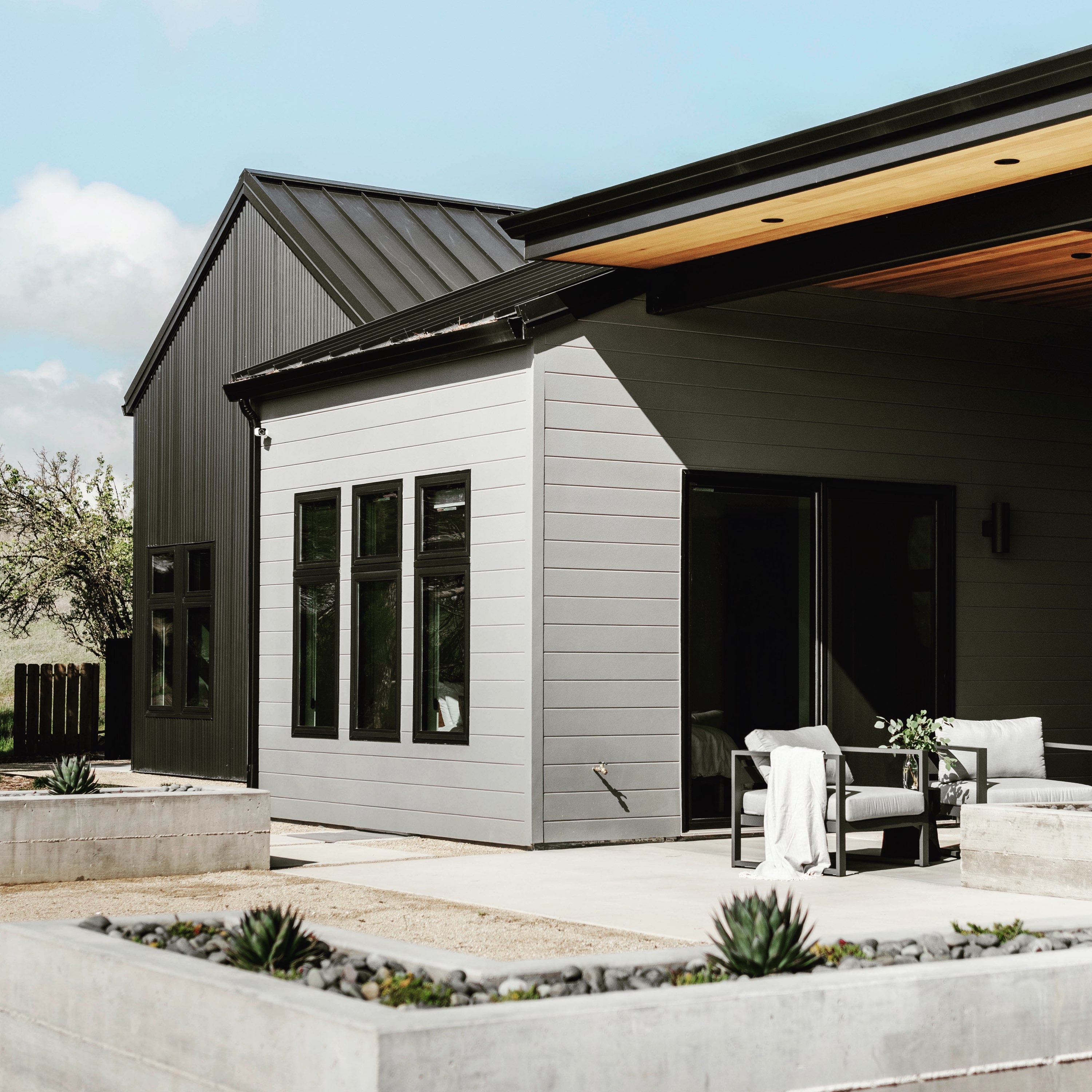
Accessory dwelling units (ADUs) have become a significant topic in contemporary architecture and urban planning. These secondary housing units, often located on the same lot as a primary residence, offer a versatile solution to various housing challenges. This article explores the concept of accessory dwelling design, its benefits, regulatory environment, and practical considerations for implementation. The discussion aims to provide a comprehensive understanding for those interested in integrating ADUs into their architectural projects.
Understanding Accessory Dwelling Design
Accessory dwelling design refers to the architectural and functional planning of secondary living spaces that complement a primary residence. These units can take various forms, including detached cottages, converted garages, basement apartments, or additions to existing structures. The design process involves careful consideration of spatial efficiency, privacy, aesthetics, and compliance with local building codes.
A well-executed accessory dwelling design balances the need for independent living quarters with harmonious integration into the existing property. For example, a detached ADU might feature a separate entrance, kitchen, and bathroom, while maintaining architectural elements consistent with the main house. This approach ensures that the unit enhances the property's overall value and usability.

Key factors in accessory dwelling design include:
Size and layout: Typically ranging from 300 to 1,200 square feet, the unit must optimize space without overwhelming the lot.
Privacy considerations: Placement and landscaping can create separation between the primary and accessory units.
Sustainability: Incorporating energy-efficient materials and systems supports environmental goals.
Accessibility: Designing for universal access can increase the unit's usability for diverse occupants.
Benefits of Accessory Dwelling Units
The integration of accessory dwelling units offers multiple advantages for property owners and communities. From an economic perspective, ADUs can generate rental income, increase property value, and provide affordable housing options. Socially, they enable multigenerational living arrangements, support aging in place, and foster community density without extensive urban sprawl.
For instance, a homeowner might construct an ADU to accommodate elderly parents, allowing for proximity while maintaining independence. Alternatively, developers can include ADUs in residential projects to meet local housing demands and zoning incentives.
Environmental benefits also arise from ADUs. By utilizing existing land and infrastructure, these units reduce the need for new developments, thereby minimizing environmental impact. Additionally, smaller living spaces typically consume fewer resources, contributing to sustainability efforts.

What is the ADU Law in Massachusetts?
Massachusetts has enacted specific legislation to encourage the development of accessory dwelling units. The state's ADU law aims to address housing shortages by simplifying the approval process and reducing regulatory barriers. Key provisions include:
Zoning adjustments: Municipalities are required to allow at least one ADU per single-family lot, subject to certain conditions.
Owner occupancy: The law permits ADUs without mandating owner occupancy in all cases, depending on local ordinances.
Size limits: ADUs are generally limited to 1,000 square feet or 40% of the primary dwelling's floor area, whichever is less.
Parking requirements: Some parking requirements have been relaxed to facilitate ADU construction.
These regulations reflect a broader trend toward enabling accessory dwelling units as a practical housing solution. Compliance with state and local laws is essential for successful project approval and implementation.
Practical Considerations for ADU Development
When planning an accessory dwelling unit, several practical aspects must be addressed to ensure a successful outcome. These include site analysis, design integration, permitting, and construction management.
Site Analysis: Evaluate the property’s size, topography, and existing structures. Consider setbacks, utility connections, and access points.
Design Integration: Collaborate with architects to create a design that complements the primary residence and neighborhood character.
Permitting Process: Engage with local planning departments early to understand zoning requirements, building codes, and inspection protocols.
Budgeting and Financing: Develop a realistic budget that accounts for design fees, construction costs, and contingencies. Explore financing options such as home equity loans or specialized ADU loans.
Construction Oversight: Maintain clear communication with contractors and architects to ensure adherence to plans, timelines, and quality standards.
For example, a homeowner in California might work with a firm like Studio Prime Architecture (SP-ARC) to leverage their expertise in high-end architectural design informed by construction and development knowledge. This collaboration can streamline the process and elevate the final product.
Future Trends in Accessory Dwelling Units
The future of accessory dwelling units is shaped by evolving housing needs, technological advancements, and regulatory changes. Several trends are emerging:
Prefabrication and modular construction: These methods reduce construction time and costs while maintaining quality.
Smart home integration: Incorporating automation and energy management systems enhances functionality and efficiency.
Sustainable materials and design: Increased focus on green building practices aligns with environmental goals.
Flexible use spaces: ADUs designed for multiple purposes, such as home offices or short-term rentals, offer adaptability.
As urban areas continue to seek solutions for housing affordability and density, accessory dwelling units will likely play an increasingly prominent role. Professionals involved in architectural design and development must stay informed about these trends to provide relevant and innovative solutions.

Enhancing Property Value Through Thoughtful Accessory Dwelling Design
Incorporating an accessory dwelling unit can significantly enhance a property's value when executed with attention to design and functionality. It is essential to consider the target occupants, whether they are family members, tenants, or guests, and tailor the unit accordingly.
Key recommendations include:
Maximizing natural light: Use windows and skylights to create inviting spaces.
Ensuring privacy: Employ landscaping, fencing, and strategic placement to minimize visual and acoustic intrusion.
Optimizing storage: Integrate built-in storage solutions to maintain a clutter-free environment.
Maintaining architectural consistency: Match materials, colors, and styles with the primary residence to preserve aesthetic harmony.
By focusing on these elements, property owners and developers can create accessory dwelling units that not only meet functional needs but also contribute positively to the neighborhood fabric.
For those interested in exploring further, detailed resources on accessory dwelling units adus provide valuable insights into design, regulation, and construction best practices. Engaging with experienced architectural firms can facilitate the realization of these projects with professionalism and expertise.


Comments