
Exploring the World of Accessory Dwelling Design
- John Bellisario
- Feb 23
- 4 min read
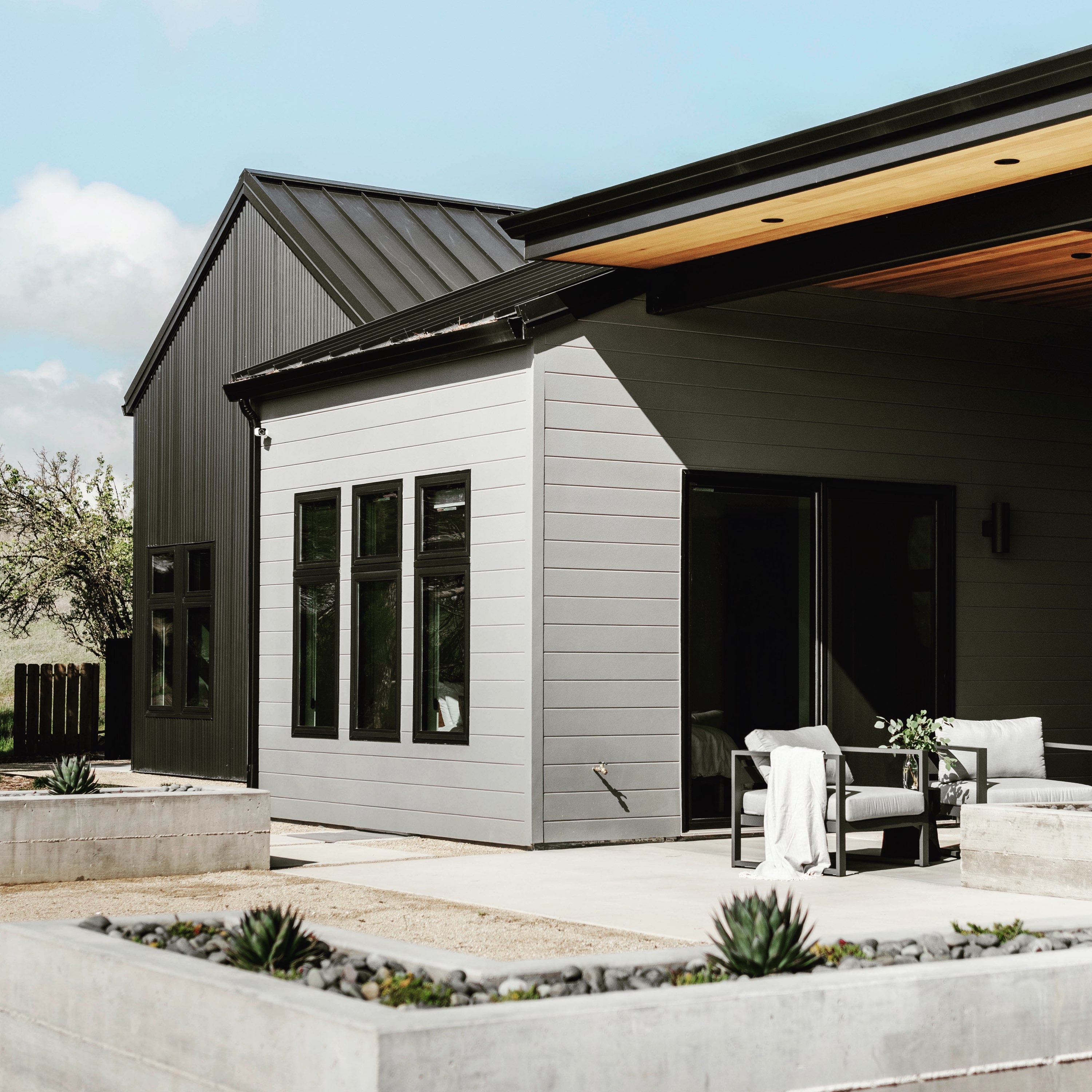
Accessory dwelling units (ADUs) have become a significant topic in contemporary architecture and urban planning. These secondary housing units, often located on the same lot as a primary residence, offer a versatile solution to various housing challenges. In this article, I will explore the concept of accessory dwelling design, its benefits, regulatory considerations, and practical advice for those interested in incorporating ADUs into their properties.
Understanding Accessory Dwelling Design
Accessory dwelling design refers to the architectural and functional planning of secondary living spaces that complement the main residence. These units can take various forms, including detached cottages, converted garages, basement apartments, or attached extensions. The design process must balance aesthetics, functionality, and compliance with local building codes.
When approaching accessory dwelling design, several factors require careful consideration:
Size and Scale: The ADU should harmonize with the primary structure and neighborhood context.
Privacy and Access: Thoughtful placement ensures privacy for both the main and accessory units.
Sustainability: Incorporating energy-efficient materials and systems can reduce environmental impact.
Accessibility: Designing for universal access can increase the unit’s usability and market appeal.
For example, a detached ADU designed with large windows and natural ventilation can provide a comfortable living environment while maintaining energy efficiency. Similarly, an attached ADU with a separate entrance can offer independence for occupants without compromising the main household’s privacy.

Benefits of Accessory Dwelling Units
The advantages of accessory dwelling units extend beyond mere additional living space. They provide practical solutions for homeowners, developers, and communities alike.
Financial Benefits
ADUs can generate rental income, offsetting mortgage costs or providing a steady revenue stream. For developers, incorporating ADUs into residential projects can increase property value and marketability.
Housing Flexibility
Accessory dwelling units offer flexible housing options for multigenerational families, aging relatives, or young adults seeking independence. They can also serve as temporary accommodations during home renovations or emergencies.
Urban Density and Sustainability
By increasing housing density without expanding urban sprawl, ADUs contribute to more sustainable community development. They make efficient use of existing infrastructure and reduce the need for new construction on undeveloped land.
Example Use Cases
A homeowner converts a garage into a studio apartment for a college student.
A developer includes multiple ADUs in a residential complex to maximize land use.
A family builds a backyard cottage to accommodate elderly parents with accessibility features.
These examples illustrate the versatility and practicality of accessory dwelling units in various contexts.
What is the ADU Law in Massachusetts?
Massachusetts has enacted specific legislation to encourage the development of accessory dwelling units. The state’s ADU law aims to address housing shortages by simplifying the approval process and reducing regulatory barriers.
Key provisions include:
Zoning Flexibility: Municipalities must allow at least one ADU per single-family lot.
Owner Occupancy: Some localities require the property owner to reside in either the primary or accessory unit.
Size Limits: ADUs are typically limited to a percentage of the primary dwelling’s size or a maximum square footage.
Parking Requirements: Regulations may vary, but some areas reduce or waive parking mandates for ADUs.
Understanding these legal frameworks is essential for anyone considering the addition of an accessory dwelling unit in Massachusetts. Compliance ensures a smoother permitting process and avoids potential legal complications.

Practical Considerations for Designing ADUs
When planning an accessory dwelling unit, several practical aspects must be addressed to ensure a successful project.
Site Analysis
A thorough site analysis identifies opportunities and constraints, such as lot size, topography, existing structures, and utility access. This information guides the placement and orientation of the ADU.
Design Integration
The ADU should complement the architectural style of the primary residence and the surrounding neighborhood. Consistency in materials, colors, and rooflines helps maintain visual harmony.
Building Codes and Permits
Navigating local building codes and obtaining necessary permits is a critical step. Engaging with experienced architects and contractors familiar with ADU regulations can facilitate this process.
Budget and Financing
Establishing a realistic budget that includes design, construction, permits, and contingencies is vital. Financing options may include home equity loans, construction loans, or specialized ADU financing programs.
Utility Connections
Planning for water, sewer, electricity, and HVAC systems is essential. In some cases, separate meters may be required for the ADU.
Accessibility and Safety
Incorporating universal design principles and adhering to safety standards ensures the unit is accessible and secure for all occupants.
By addressing these considerations early in the design process, homeowners and developers can avoid costly delays and achieve a functional, attractive accessory dwelling unit.
The Future of Accessory Dwelling Units in Architecture
The growing interest in accessory dwelling units reflects broader trends in housing and urban development. As cities seek to accommodate increasing populations while preserving community character, ADUs offer a viable solution.
Architectural firms specializing in residential and commercial projects are increasingly integrating accessory dwelling design into their services. This approach aligns with the goals of firms like Studio Prime Architecture (SP-ARC), which aims to provide high-end architectural design informed by construction and development expertise.
The future of ADUs will likely involve:
Innovative Design Solutions: Incorporating modular construction, smart home technology, and sustainable materials.
Policy Evolution: Continued refinement of zoning laws and incentives to promote ADU development.
Community Engagement: Balancing density with neighborhood concerns through thoughtful design and planning.
For those interested in exploring accessory dwelling units further, resources such as accessory dwelling units adus provide valuable information and professional guidance.
In summary, accessory dwelling units represent a dynamic and practical component of modern architecture. Their thoughtful design and implementation can enhance property value, provide housing flexibility, and contribute to sustainable urban growth.


Comments