
The Future of Eco-Friendly Architectural Solutions
- John Bellisario
- 7 days ago
- 4 min read
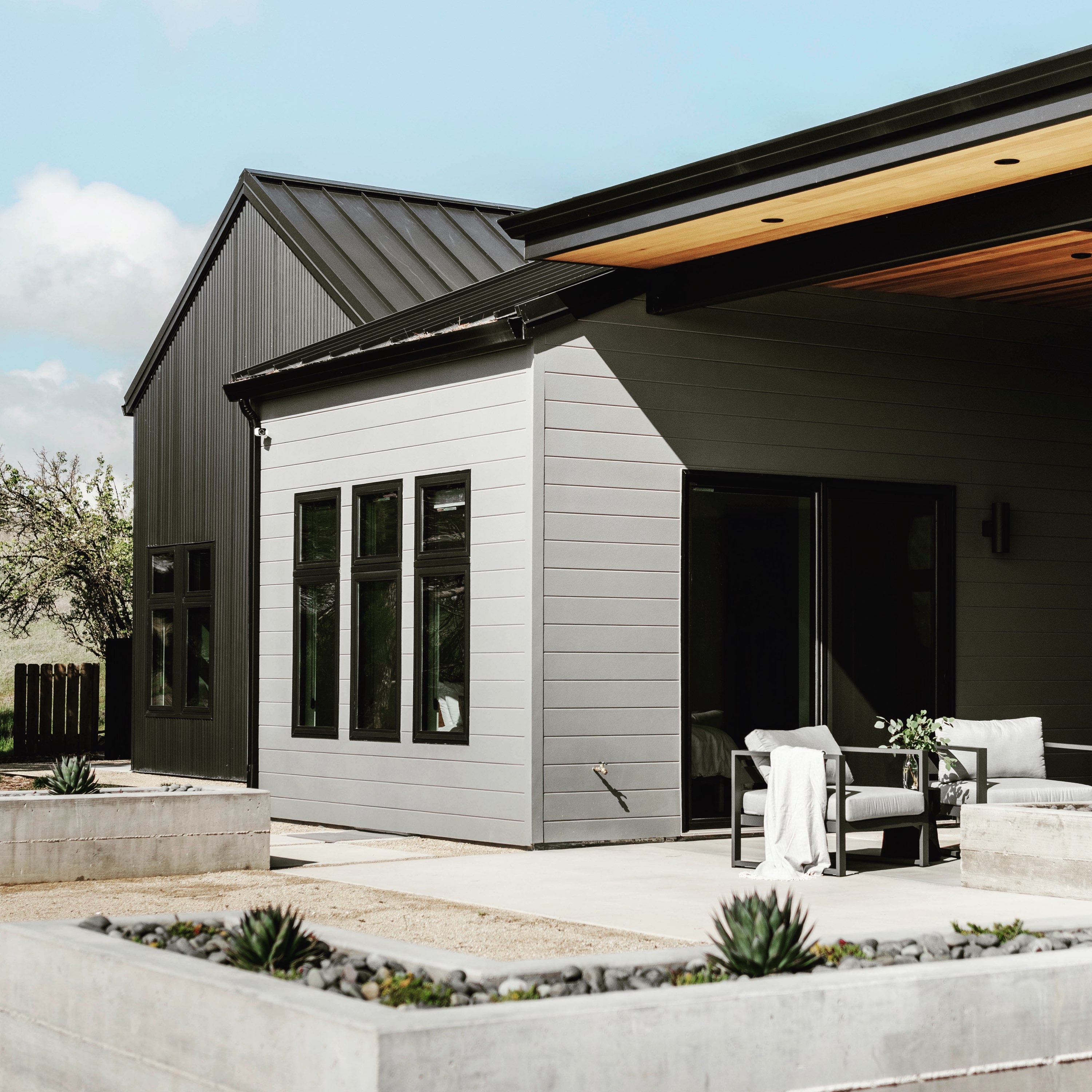
The architectural landscape is undergoing a significant transformation as the demand for environmentally responsible and energy-efficient buildings increases. This shift is driven by the urgent need to address climate change, reduce resource consumption, and create healthier living and working environments. As a professional deeply involved in architectural design and development, I have observed how eco-friendly architectural solutions are becoming central to the future of building practices. This article explores the emerging trends, technologies, and principles shaping this future, providing practical insights for those engaged in commercial and residential projects.
Emerging Trends in Eco-Friendly Architectural Solutions
The integration of eco-friendly architectural solutions is no longer optional but essential. These solutions focus on minimizing environmental impact while maximizing efficiency and occupant comfort. Key trends include:
Passive Design Strategies: Utilizing natural light, ventilation, and thermal mass to reduce reliance on mechanical systems.
Renewable Energy Integration: Incorporating solar panels, wind turbines, and geothermal systems to power buildings sustainably.
Green Roofs and Walls: Enhancing insulation, reducing urban heat islands, and improving air quality.
Smart Building Technologies: Employing sensors and automation to optimize energy use and indoor environmental quality.
For example, a commercial office building in California recently incorporated a combination of solar panels and a green roof system. This approach reduced energy consumption by 40% and improved employee well-being through enhanced air quality and natural light.

Practical Applications of Eco-Friendly Architectural Solutions
Implementing eco-friendly architectural solutions requires a comprehensive approach that considers site conditions, building orientation, material selection, and occupant needs. Some practical recommendations include:
Site Analysis and Orientation: Position buildings to maximize natural light and ventilation while minimizing exposure to harsh weather.
Material Selection: Use locally sourced, recycled, and low-emission materials to reduce environmental impact.
Water Management: Incorporate rainwater harvesting, greywater recycling, and efficient fixtures to conserve water.
Energy Efficiency: Design for high-performance insulation, energy-efficient windows, and HVAC systems.
In residential projects, these strategies can translate into lower utility bills and increased property value. For commercial developments, they contribute to corporate sustainability goals and compliance with green building certifications such as LEED or WELL.
What are the 3 C's of Architecture?
Understanding the foundational principles of architecture is crucial when integrating eco-friendly solutions. The 3 C's of architecture—Concept, Context, and Construction—serve as guiding pillars:
Concept: The initial design idea that addresses the purpose, aesthetics, and functionality of the building.
Context: The environmental, cultural, and social setting in which the building exists.
Construction: The methods and materials used to realize the design concept within its context.
Applying these principles ensures that eco-friendly architectural solutions are not only innovative but also appropriate and feasible. For instance, a concept focused on sustainability must consider the local climate (context) and utilize construction techniques that support energy efficiency and durability.
Innovations Driving the Future of Sustainable Architecture
Technological advancements are accelerating the adoption of eco-friendly architectural solutions. Some notable innovations include:
Building Information Modeling (BIM): Enables precise planning and simulation of energy performance and material use.
3D Printing: Allows for the creation of complex, resource-efficient building components with minimal waste.
Advanced Insulation Materials: Such as aerogels and phase-change materials that improve thermal regulation.
Modular and Prefabricated Construction: Reduces construction time, waste, and site disturbance.
These innovations contribute to more predictable project outcomes, cost savings, and enhanced sustainability. For example, BIM software can simulate a building’s energy consumption before construction begins, allowing for adjustments that optimize performance.

Integrating Sustainable Architecture into Development Projects
The integration of sustainable architecture principles into development projects requires collaboration among architects, developers, engineers, and clients. Key steps include:
Early Engagement: Involve all stakeholders from the project’s inception to align goals and expectations.
Performance Metrics: Establish clear sustainability targets and monitor progress throughout the project lifecycle.
Education and Training: Equip teams with knowledge of eco-friendly materials, technologies, and best practices.
Regulatory Compliance: Stay informed about local and regional building codes and incentives related to sustainability.
By adopting this collaborative and informed approach, projects can achieve higher levels of environmental performance and occupant satisfaction. This is particularly relevant in regions like California and the western US, where regulatory frameworks and market demand strongly support sustainable development.
Preparing for the Future of Eco-Friendly Architectural Solutions
Looking ahead, the future of eco-friendly architectural solutions will be shaped by continued innovation, stricter environmental regulations, and evolving client expectations. To remain at the forefront, architectural firms must:
Invest in research and development of new materials and technologies.
Foster interdisciplinary collaboration to address complex sustainability challenges.
Prioritize resilience and adaptability in design to respond to climate change impacts.
Promote transparency and accountability through certification and reporting.
These efforts will not only enhance the quality and sustainability of built environments but also position firms as leaders in a competitive market.
In summary, the future of eco-friendly architectural solutions is promising and essential. By embracing emerging trends, practical strategies, and technological innovations, the architectural profession can significantly contribute to a more sustainable and resilient built environment.

Comments