
Modern Trends in Commercial Architecture: Embracing Modern Architectural Solutions
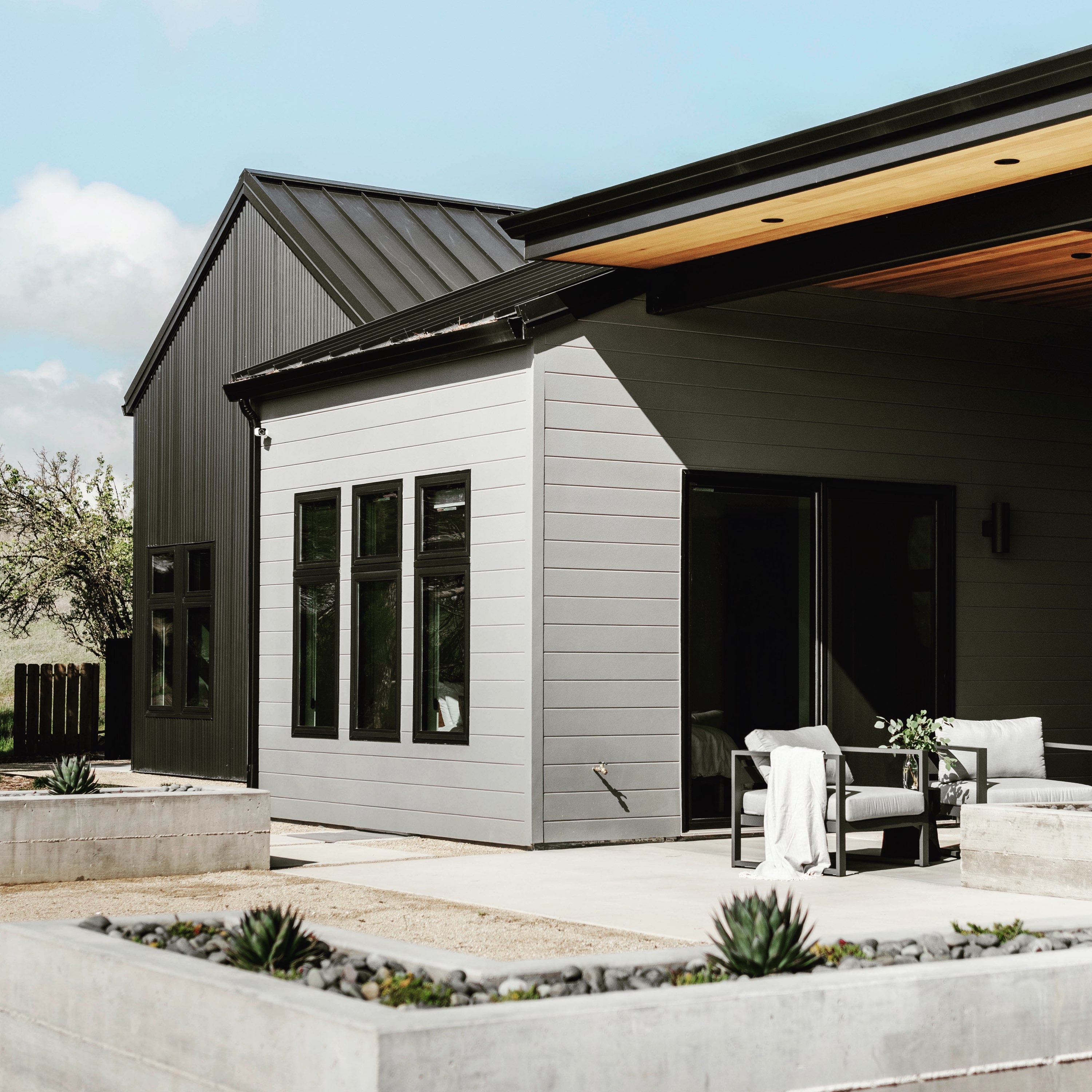
The field of commercial architecture is undergoing significant transformation, driven by evolving technologies, sustainability demands, and changing user expectations. As a professional deeply engaged in architectural design, I have observed how these shifts influence the planning and execution of commercial projects. This article explores the latest trends shaping commercial architecture today, emphasizing practical insights and actionable recommendations for those involved in architectural development.
Embracing Modern Architectural Solutions in Commercial Design
Modern architectural solutions are redefining the commercial landscape by integrating innovative materials, smart technologies, and sustainable practices. These solutions prioritize functionality, aesthetics, and environmental responsibility, creating spaces that are not only visually appealing but also efficient and adaptable.
One notable trend is the use of adaptive reuse—transforming existing structures into modern commercial spaces. This approach reduces construction waste and preserves cultural heritage while meeting contemporary needs. For example, converting old warehouses into office hubs or retail centers has become increasingly popular in urban areas.
Another key aspect is the incorporation of smart building technologies. Automated lighting, climate control, and security systems enhance operational efficiency and occupant comfort. These technologies also contribute to energy savings, aligning with green building certifications such as LEED and WELL.
The integration of biophilic design elements is also gaining traction. Incorporating natural light, indoor plants, and natural materials fosters a healthier and more productive environment. This trend reflects a growing awareness of the psychological and physiological benefits of connecting occupants with nature.

Key Features of Modern Architectural Solutions in Commercial Projects
Modern architectural solutions emphasize several core features that distinguish contemporary commercial buildings from traditional designs. These features address both aesthetic and functional requirements, ensuring that buildings meet current and future demands.
Sustainability: Use of renewable materials, energy-efficient systems, and water conservation techniques.
Flexibility: Modular layouts and movable partitions allow spaces to be reconfigured easily.
Technology Integration: Incorporation of IoT devices and building management systems.
User-Centric Design: Focus on occupant well-being, accessibility, and comfort.
Minimalism: Clean lines, open spaces, and uncluttered interiors promote clarity and efficiency.
For instance, a commercial office designed with flexible workspaces can accommodate various team sizes and activities, enhancing collaboration and productivity. Similarly, the use of solar panels and green roofs contributes to reducing the building’s carbon footprint.
What are the 5 Principles of Modern Architecture?
Understanding the foundational principles of modern architecture provides valuable context for current trends. These principles guide architects in creating buildings that are functional, aesthetically pleasing, and forward-looking.
Form Follows Function
The design of a building should be primarily based on its intended purpose. This principle encourages simplicity and utility over ornamental excess.
Simplicity and Clarity of Forms
Modern architecture favors clean lines and geometric shapes, avoiding unnecessary complexity.
Use of Modern Materials
Steel, glass, and reinforced concrete are commonly employed to achieve new structural possibilities and transparency.
Open Floor Plans
Flexible, open interiors facilitate better use of space and natural light.
Integration with Nature
Designs often incorporate natural elements and aim to harmonize with the surrounding environment.
These principles remain relevant as architects strive to balance innovation with practicality in commercial projects.

Practical Recommendations for Implementing Modern Trends
For those involved in commercial architectural projects, adopting modern trends requires careful planning and collaboration. The following recommendations can help ensure successful implementation:
Conduct Comprehensive Site Analysis
Understanding the site’s climate, topography, and local regulations is essential for sustainable design.
Engage Stakeholders Early
Collaboration with developers, contractors, and end-users ensures that the design meets all functional and aesthetic requirements.
Prioritize Energy Efficiency
Incorporate passive design strategies such as natural ventilation and daylighting alongside active systems like solar panels.
Select Durable and Sustainable Materials
Materials should offer longevity and minimal environmental impact, reducing maintenance costs over time.
Plan for Future Adaptability
Design spaces that can evolve with changing business needs, avoiding costly renovations.
By following these guidelines, commercial projects can achieve a balance between innovation, sustainability, and cost-effectiveness.
The Future Outlook of Commercial Architecture
Looking ahead, commercial architecture will continue to evolve in response to technological advancements and societal shifts. Increased emphasis on net-zero energy buildings, smart city integration, and resilient design will shape future developments.
Moreover, the role of data analytics and artificial intelligence in building management is expected to expand, enabling more responsive and efficient environments. Architects will also need to address challenges related to urban density, climate change, and resource scarcity.
In this context, firms like Studio Prime Architecture (SP-ARC) are positioned to lead by offering high-end architectural design deeply informed by construction and development knowledge. Their approach elevates the entire building experience, particularly in regions such as California and the western United States.
For those seeking to stay at the forefront of this dynamic field, understanding and applying the principles and trends discussed here is essential. The integration of modern commercial architecture practices will not only enhance project outcomes but also contribute to a more sustainable and efficient built environment.


Comments