
Modern Trends in Commercial Architecture: Exploring Modern Architectural Solutions
- John Bellisario
- Jan 26
- 3 min read
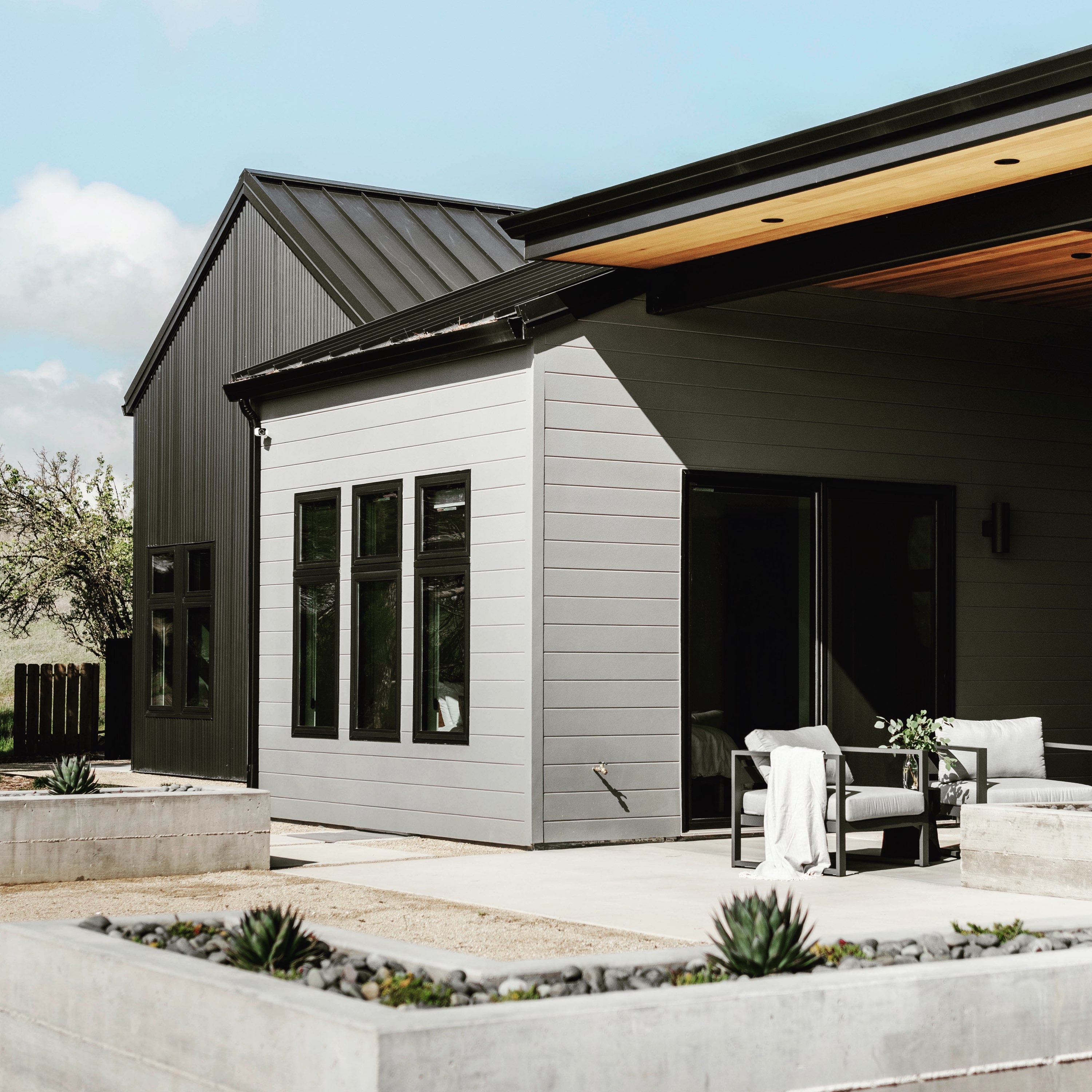
In recent years, the field of commercial architecture has undergone significant transformation. The integration of innovative design principles, sustainable materials, and advanced technologies has redefined the way commercial spaces are conceived and constructed. This evolution reflects a broader shift towards efficiency, environmental responsibility, and aesthetic appeal. As a professional deeply engaged in architectural design, I have observed how these trends not only enhance the functionality of commercial buildings but also contribute to a more dynamic urban landscape.
Embracing Modern Architectural Solutions in Commercial Design
Modern architectural solutions emphasize the fusion of form and function, prioritizing both the practical needs of occupants and the visual impact of the structure. One notable trend is the increased use of sustainable materials such as recycled steel, cross-laminated timber, and low-emission concrete. These materials reduce the environmental footprint of construction projects while maintaining structural integrity.
Additionally, energy-efficient systems have become integral to commercial architecture. Incorporating solar panels, green roofs, and advanced HVAC systems helps reduce operational costs and supports environmental goals. For example, many office buildings now feature smart glass windows that adjust tint based on sunlight intensity, optimizing natural light while minimizing heat gain.
The integration of technology extends beyond materials and systems. Building Information Modeling (BIM) and virtual reality tools allow architects and developers to visualize projects in detail before construction begins. This approach minimizes errors, streamlines collaboration, and accelerates project timelines.

Key Features Defining Modern Commercial Architecture
Several features distinguish contemporary commercial architecture from traditional designs. These include:
Open floor plans: Encouraging collaboration and flexibility, open layouts are favored in office and retail spaces.
Biophilic design: Incorporating natural elements such as indoor plants, water features, and natural light to improve occupant well-being.
Mixed-use developments: Combining retail, office, and residential spaces within a single complex to maximize land use and create vibrant communities.
Adaptive reuse: Repurposing existing structures to preserve historical value while meeting modern needs.
Smart building technologies: Utilizing IoT devices for lighting, security, and climate control to enhance user experience and efficiency.
These features collectively contribute to buildings that are not only functional but also responsive to the evolving demands of users and the environment.
What are the 5 Principles of Modern Architecture?
Understanding the foundational principles of modern architecture provides insight into current trends. These principles include:
Functionality: Design must serve the intended purpose efficiently without unnecessary ornamentation.
Simplicity: Clean lines and minimalistic forms dominate, avoiding excessive decoration.
Honesty of materials: Materials are used in ways that highlight their natural qualities rather than concealing them.
Open and flexible spaces: Interiors are designed to be adaptable to changing needs.
Integration with nature: Designs often incorporate natural light, ventilation, and landscaping to create harmony with the environment.
These principles guide architects in creating spaces that are timeless, practical, and aesthetically pleasing.

Practical Recommendations for Implementing Modern Architectural Solutions
For developers and businesses aiming to adopt modern architectural solutions, several practical steps can be taken:
Conduct thorough site analysis: Understanding the local climate, topography, and community needs informs design decisions.
Prioritize sustainability: Select materials and systems that reduce environmental impact and comply with green building certifications such as LEED.
Engage multidisciplinary teams: Collaboration between architects, engineers, contractors, and technology experts ensures comprehensive solutions.
Incorporate flexibility: Design spaces that can be easily reconfigured to accommodate future changes in use or technology.
Leverage technology: Utilize BIM and other digital tools to enhance design accuracy and project management.
By following these recommendations, projects can achieve higher quality outcomes that meet both client expectations and regulatory requirements.
The Future Outlook of Commercial Architecture
Looking ahead, commercial architecture is expected to continue evolving in response to technological advancements and societal shifts. Trends such as net-zero energy buildings, modular construction, and urban vertical farming are gaining traction. These innovations promise to further reduce environmental impact while enhancing the functionality and appeal of commercial spaces.
Moreover, the increasing emphasis on occupant health and wellness will drive the integration of features like improved air quality systems, ergonomic design, and access to outdoor spaces. The role of data analytics and artificial intelligence in building management will also expand, enabling smarter, more responsive environments.
In this context, firms like Studio Prime Architecture (SP-ARC) are positioned to lead by combining deep construction knowledge with cutting-edge design. Their approach exemplifies how modern architectural solutions can elevate the entire building experience for clients across California and the western United States.
For those interested in exploring more about modern commercial architecture, understanding these trends and principles is essential. They provide a framework for creating buildings that are not only visually striking but also sustainable, efficient, and adaptable to future needs.


Comments