
Sustainable Architecture: Building for Tomorrow with Eco-Friendly Building Design
- John Bellisario
- Mar 30
- 4 min read
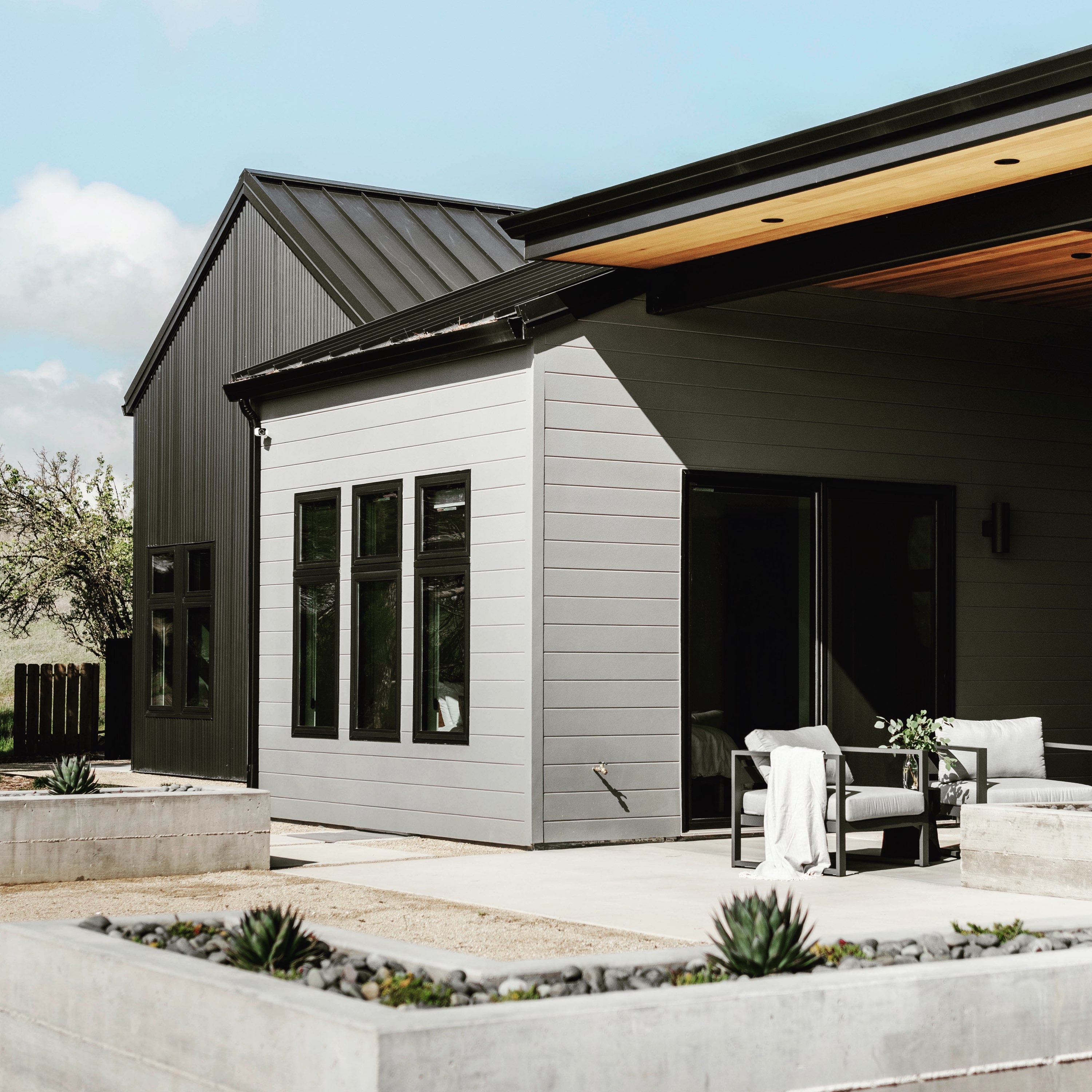
The construction industry is undergoing a significant transformation as the demand for environmentally responsible and energy-efficient buildings increases. This shift is driven by the need to reduce environmental impact, conserve resources, and create healthier living and working environments. In this context, eco-friendly building design has emerged as a critical approach to shaping the future of architecture. It integrates innovative techniques and materials to minimize waste, reduce energy consumption, and promote sustainability throughout the building lifecycle.
The Principles of Eco-Friendly Building Design
Eco-friendly building design focuses on creating structures that harmonize with their environment while meeting the needs of occupants. This approach emphasizes several core principles:
Energy Efficiency: Utilizing insulation, natural ventilation, and energy-efficient systems to reduce energy consumption.
Resource Conservation: Selecting sustainable materials, reducing waste, and promoting recycling during construction and operation.
Water Management: Implementing systems to reduce water use and manage stormwater effectively.
Indoor Environmental Quality: Ensuring adequate natural light, air quality, and thermal comfort for occupants.
Site Sensitivity: Designing buildings that respect the natural landscape and local ecosystem.
For example, incorporating solar panels and green roofs can significantly reduce a building’s carbon footprint. Additionally, using locally sourced materials minimizes transportation emissions and supports regional economies.

Benefits of Eco-Friendly Building Design for Commercial and Residential Projects
Adopting eco-friendly building design offers numerous advantages for both commercial and residential projects. These benefits extend beyond environmental considerations and include economic and social factors:
Lower Operating Costs: Energy-efficient systems reduce utility bills, providing long-term savings.
Increased Property Value: Sustainable buildings often command higher market prices and attract quality tenants or buyers.
Enhanced Occupant Health and Productivity: Improved air quality and natural lighting contribute to well-being and efficiency.
Regulatory Compliance and Incentives: Many jurisdictions offer tax credits, grants, or expedited permitting for sustainable construction.
Resilience to Climate Change: Sustainable buildings are better equipped to withstand extreme weather events and resource shortages.
For instance, a commercial office building designed with high-performance glazing and efficient HVAC systems can reduce energy use by up to 40%. Similarly, residential homes with rainwater harvesting systems and drought-resistant landscaping can significantly lower water consumption.
What is the difference between green architecture and sustainable architecture?
While the terms "green architecture" and "sustainable architecture" are often used interchangeably, they have distinct focuses. Green architecture primarily concentrates on reducing the environmental impact of buildings through eco-friendly materials and energy-saving technologies. It emphasizes immediate environmental benefits such as reducing carbon emissions and waste.
Sustainable architecture, on the other hand, adopts a broader perspective. It considers the entire lifecycle of a building, including design, construction, operation, maintenance, and eventual deconstruction or reuse. This approach integrates social, economic, and environmental factors to ensure that buildings contribute positively to their communities and ecosystems over time.
In practice, green architecture can be seen as a subset of sustainable architecture. Sustainable design strategies may include green building techniques but also address issues such as social equity, economic viability, and long-term adaptability.
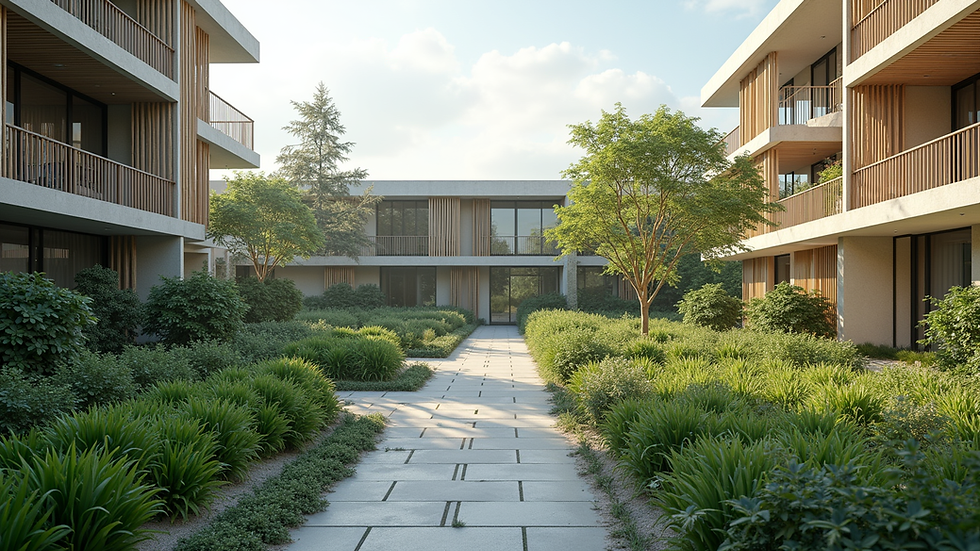
Practical Strategies for Implementing Eco-Friendly Building Design
Implementing eco-friendly building design requires a comprehensive approach that involves careful planning, material selection, and technology integration. The following strategies are essential for achieving sustainable outcomes:
Site Analysis and Planning
Conduct thorough site assessments to understand local climate, topography, and natural resources. Orient buildings to maximize natural light and ventilation while minimizing exposure to harsh weather.
Material Selection
Choose materials with low embodied energy, high durability, and recyclability. Examples include reclaimed wood, recycled steel, and low-VOC (volatile organic compound) paints.
Energy Systems
Incorporate renewable energy sources such as solar, wind, or geothermal. Use energy-efficient appliances and lighting systems to reduce consumption.
Water Efficiency
Install low-flow fixtures, rainwater harvesting systems, and greywater recycling to minimize water use.
Waste Reduction
Implement construction waste management plans to recycle or repurpose materials. Design for modularity and adaptability to extend building lifespan.
Smart Building Technologies
Utilize building automation systems to monitor and optimize energy and water use in real time.
By integrating these strategies, developers and architects can create buildings that are not only environmentally responsible but also economically viable and comfortable for occupants.
The Role of Technology in Advancing Sustainable Architecture
Technological advancements play a pivotal role in enhancing eco-friendly building design. Innovations in materials science, digital modeling, and energy systems have expanded the possibilities for sustainable construction.
Building Information Modeling (BIM) allows for precise planning and simulation of energy performance, enabling designers to optimize building orientation, insulation, and systems before construction begins.
Advanced Insulation Materials such as aerogels and phase-change materials improve thermal performance without increasing wall thickness.
Smart Sensors and IoT Devices enable continuous monitoring of indoor air quality, temperature, and energy use, facilitating proactive maintenance and occupant comfort.
Prefabrication and Modular Construction reduce waste and construction time while improving quality control.
For example, a commercial project utilizing BIM and prefabricated components can reduce construction waste by up to 50% and shorten the project timeline significantly. These technologies also support the integration of renewable energy systems and smart controls, further enhancing building performance.
Moving Forward with Sustainable Architecture
The future of architecture lies in the ability to balance human needs with environmental stewardship. By embracing eco-friendly building design principles and leveraging technological innovations, the industry can deliver projects that are resilient, efficient, and beneficial to society.
As a firm committed to excellence in architectural design and construction knowledge, Studio Prime Architecture (SP-ARC) is dedicated to advancing these practices. Our approach ensures that every project contributes to a sustainable built environment while meeting the highest standards of quality and functionality.
For those seeking to invest in buildings that stand the test of time and minimize ecological impact, adopting sustainable architecture principles is essential. This commitment not only addresses current environmental challenges but also paves the way for a more responsible and innovative future in architecture.


Comments