
The Power of Design Showcase Photography in Architecture
- John Bellisario
- Apr 13
- 4 min read
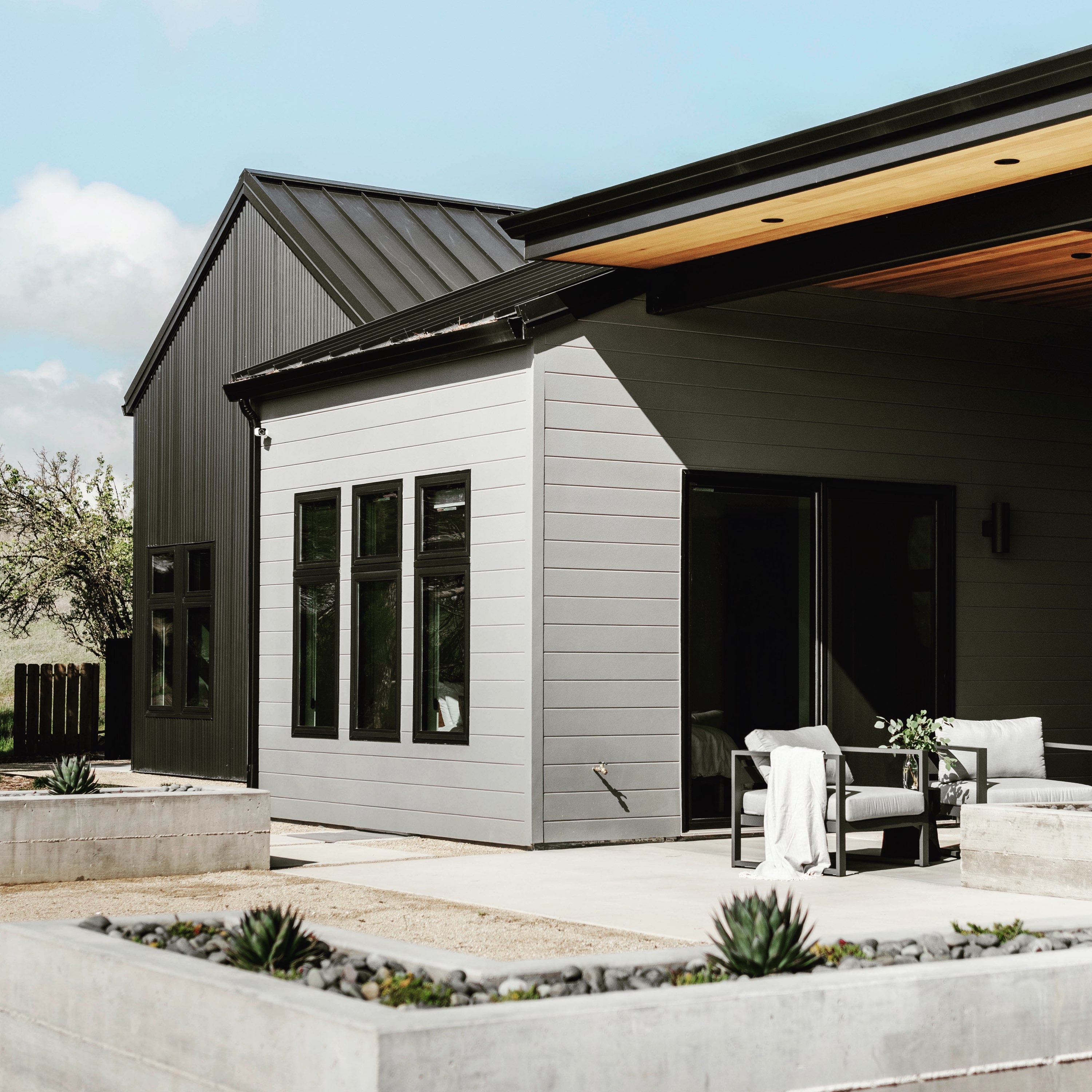
Architectural design is a discipline that combines creativity, technical knowledge, and practical execution. The visual representation of architectural projects plays a crucial role in communicating the essence and quality of a design. Among the various methods of presentation, design showcase photography stands out as a powerful tool. It captures the physical form, spatial relationships, and aesthetic qualities of buildings, allowing viewers to appreciate the architectural vision in a tangible way.
The Role of Design Showcase Photography in Architecture
Design showcase photography serves multiple purposes in the architectural field. It documents completed projects, supports marketing efforts, and provides a visual archive for future reference. High-quality images can highlight the unique features of a building, such as its materials, textures, and structural innovations. This form of photography also helps bridge the gap between architects, clients, and the public by offering a clear and compelling visual narrative.
For example, a commercial office building with a distinctive glass facade can be effectively presented through carefully composed photographs that emphasize transparency, light reflection, and geometric patterns. Similarly, residential projects benefit from images that convey comfort, scale, and integration with the surrounding environment. The ability to showcase these elements accurately and attractively is essential for firms aiming to establish a strong reputation and attract discerning clients.

Key Elements of Effective Design Showcase Photography
Several factors contribute to the success of design showcase photography. Understanding these elements can enhance the impact of architectural images and ensure they serve their intended purpose.
Lighting: Natural light is often preferred for its ability to reveal textures and create depth. The time of day and weather conditions can dramatically affect the mood and clarity of the photograph.
Composition: The arrangement of visual elements within the frame should guide the viewer’s eye and emphasize the building’s most important features. Techniques such as the rule of thirds, leading lines, and framing are commonly employed.
Perspective: Different angles and viewpoints can reveal various aspects of a structure. Wide-angle shots capture the overall form, while close-ups focus on details like materials or craftsmanship.
Context: Including the surrounding environment helps situate the building and provides a sense of scale and purpose. This is particularly relevant for projects that interact closely with their landscape or urban setting.
Post-processing: Careful editing enhances the image without compromising authenticity. Adjustments to contrast, color balance, and sharpness can improve visual appeal and clarity.
By mastering these components, photographers and architects can collaborate to produce images that not only document but also celebrate architectural achievements.
How to Start Architecture Photography?
Beginning a career or hobby in architecture photography requires a combination of technical skills, artistic sensibility, and practical knowledge of buildings. The following steps provide a structured approach to entering this specialized field:
Acquire the Right Equipment
A DSLR or mirrorless camera with manual controls is essential. Wide-angle lenses are particularly useful for capturing entire structures, while tilt-shift lenses help correct perspective distortion.
Learn Architectural Basics
Understanding architectural styles, construction methods, and design principles enables photographers to anticipate the best angles and moments to capture.
Practice Composition and Lighting
Experiment with different times of day and weather conditions to observe how light interacts with various materials and forms.
Study Existing Work
Analyze renowned architectural photographers to learn techniques and develop a personal style.
Build a Portfolio
Start with local projects or collaborations with architects to create a diverse collection of images showcasing different building types and styles.
Understand Post-Processing
Develop skills in photo editing software to enhance images while maintaining their integrity.
Network with Industry Professionals
Establish relationships with architects, developers, and real estate professionals who may require design showcase photography services.
By following these steps, one can develop the expertise necessary to produce compelling architectural images that meet professional standards.

Practical Applications of Design Showcase Photography
Design showcase photography is not merely an artistic endeavor; it has practical applications that benefit various stakeholders in the architectural process.
Marketing and Promotion
High-quality images are essential for brochures, websites, and social media campaigns. They attract potential clients by clearly communicating the value and uniqueness of a project.
Client Communication
Visual documentation helps clients understand the progress and final outcome of their projects. It can also serve as a tool for feedback and decision-making.
Portfolio Development
Architects and firms use photographic records to demonstrate their expertise and style to prospective clients and collaborators.
Historical Documentation
Photographs preserve the legacy of architectural works, providing a reference for future renovations, restorations, or academic study.
Awards and Publications
Many architectural awards and journals require photographic submissions. Well-executed images increase the chances of recognition and publication.
These applications underscore the importance of investing in professional design showcase photography as part of a comprehensive architectural service offering.
Enhancing Client Experience Through Visual Storytelling
The integration of design showcase photography into architectural services enhances the overall client experience. Visual storytelling allows clients to engage with their projects beyond technical drawings and verbal descriptions. It provides a tangible connection to the design intent and the realized structure.
For instance, a developer marketing a new residential complex can use photographic narratives to highlight community spaces, sustainable features, and architectural details that differentiate the project. This approach fosters trust and excitement, facilitating smoother project approvals and sales processes.
Moreover, the use of professional images in presentations and reports reflects a commitment to quality and attention to detail. It signals to clients that the firm values transparency and excellence throughout the building experience.
In summary, the power of architectural photography lies in its ability to communicate complex design ideas clearly and attractively. For firms like Studio Prime Architecture (SP-ARC), which aim to lead in high-end architectural design in California and the western US, leveraging design showcase photography is an indispensable strategy. It elevates the perception of projects, supports business goals, and ultimately enriches the architectural journey from concept to completion.


Comments