
Exploring the World of Accessory Dwelling Design
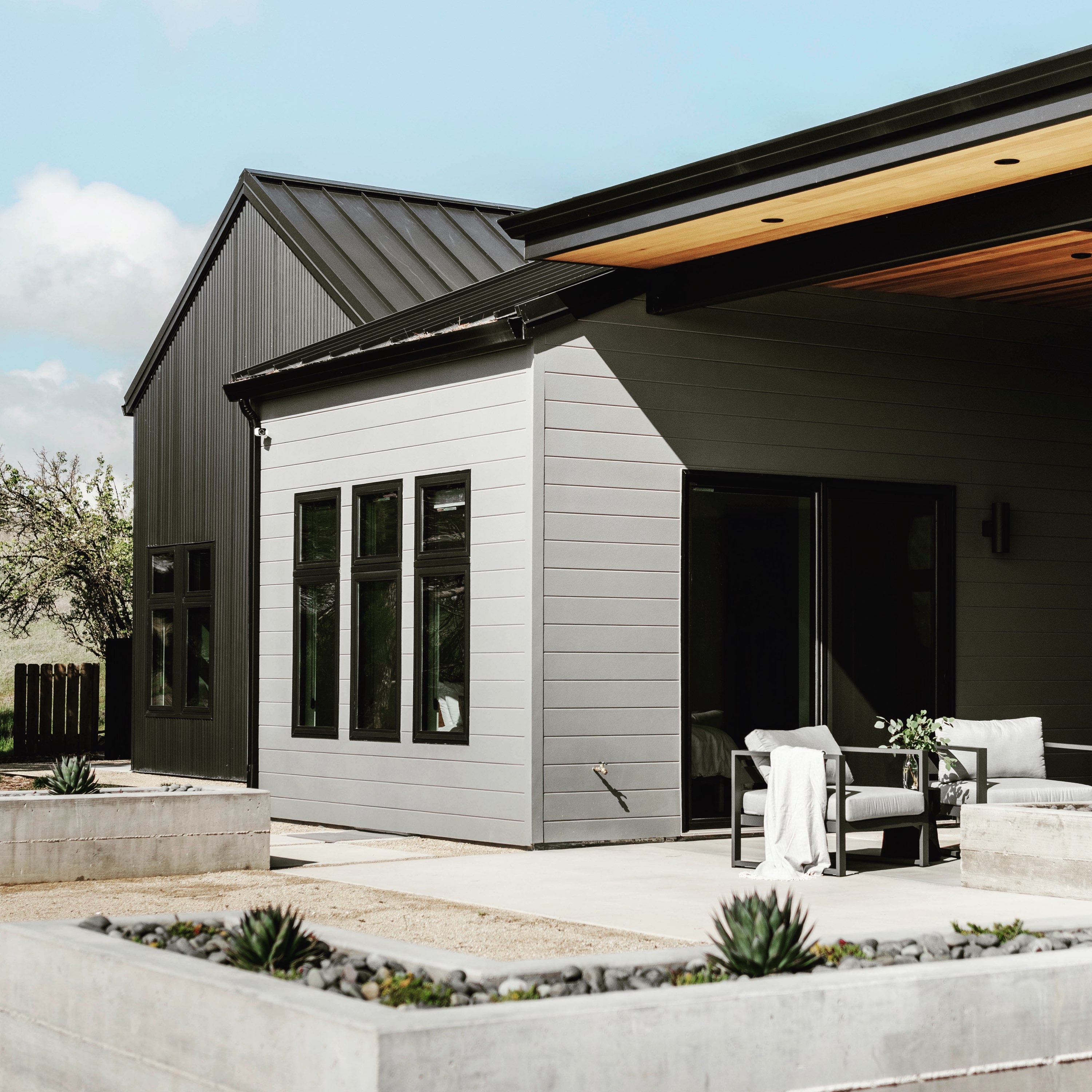
Accessory dwelling units (ADUs) have become a significant topic in contemporary architecture and urban planning. These secondary housing units, often located on the same lot as a primary residence, offer a versatile solution to various housing challenges. This article explores the concept of accessory dwelling design, its benefits, regulatory environment, and practical considerations for implementation. The discussion aims to provide a comprehensive understanding for those interested in incorporating ADUs into their architectural projects.
Understanding Accessory Dwelling Design
Accessory dwelling design refers to the architectural and functional planning of secondary living spaces that complement a primary residence. These units can take various forms, including detached cottages, converted garages, basement apartments, or above-garage studios. The design process involves careful consideration of spatial efficiency, privacy, aesthetics, and compliance with local building codes.
The primary goal of accessory dwelling design is to create a self-contained living area that maintains harmony with the existing property. This includes matching architectural styles, materials, and landscaping to ensure visual cohesion. Additionally, designers must address practical aspects such as separate entrances, utility connections, and sound insulation.
In practice, accessory dwelling units can serve multiple purposes. They may provide housing for family members, generate rental income, or offer flexible space for home offices or guest accommodations. The adaptability of ADUs makes them an attractive option for maximizing property value and utility.

Key Considerations in Accessory Dwelling Design
When approaching accessory dwelling design, several factors require attention to ensure successful integration and functionality:
Zoning and Regulations: Understanding local zoning laws and building codes is essential. These regulations dictate the size, height, setbacks, and occupancy limits of ADUs.
Site Analysis: A thorough assessment of the property’s topography, access points, and existing structures informs the optimal placement of the ADU.
Design Compatibility: The ADU should complement the architectural style of the main residence to maintain neighborhood character.
Sustainability: Incorporating energy-efficient materials and systems can reduce environmental impact and operating costs.
Privacy and Access: Designing separate entrances and landscaping buffers helps maintain privacy for both the primary residence and the ADU.
Utility Connections: Planning for independent or shared utility services, including water, electricity, and sewage, is critical for functionality.
By addressing these considerations, architects and developers can create accessory dwelling units that are both practical and aesthetically pleasing.
What is the ADU Law in Massachusetts?
Massachusetts has enacted specific legislation to encourage the development of accessory dwelling units as a means to address housing shortages. The state law permits homeowners to build one ADU on their property without the need for special permits, provided certain conditions are met.
Key provisions include:
Owner Occupancy: The homeowner must occupy either the primary residence or the ADU.
Size Limits: The ADU cannot exceed 1,000 square feet or 40% of the total living area of the primary residence, whichever is less.
Separate Entrance: The unit must have an independent entrance.
Parking Requirements: Some municipalities may waive parking requirements for ADUs.
Building Code Compliance: The ADU must meet all applicable building and safety codes.
These regulations aim to streamline the approval process and encourage the creation of affordable, flexible housing options. Homeowners and developers should consult local authorities to ensure compliance with municipal ordinances that may supplement state law.

Benefits of Incorporating Accessory Dwelling Units
The integration of accessory dwelling units offers several advantages for property owners and communities alike:
Increased Property Value: ADUs can enhance the market value of a property by adding rentable or usable space.
Housing Flexibility: They provide options for multi-generational living, accommodating aging parents or adult children.
Rental Income: Homeowners can generate additional revenue by leasing the unit.
Efficient Land Use: ADUs make better use of existing land, reducing urban sprawl.
Sustainability: Smaller living spaces typically require fewer resources to build and maintain.
Community Diversity: By increasing housing options, ADUs contribute to more diverse and inclusive neighborhoods.
These benefits underscore the growing interest in accessory dwelling units as a strategic component of residential development.
Practical Steps for Developing Accessory Dwelling Units
For those considering the addition of an ADU, the following steps provide a structured approach:
Research Local Regulations: Begin by reviewing zoning laws and building codes relevant to accessory dwelling units.
Assess Property Suitability: Evaluate the site for space availability, access, and potential impact on neighbors.
Engage Professionals: Collaborate with architects, engineers, and contractors experienced in accessory dwelling design.
Design Development: Create detailed plans that address aesthetics, functionality, and compliance.
Obtain Permits: Submit plans to local authorities and secure necessary approvals.
Construction and Inspection: Oversee the building process and ensure adherence to all standards.
Occupancy and Management: Establish guidelines for use, whether for family, rental, or other purposes.
Following these steps can facilitate a smooth development process and result in a successful accessory dwelling unit project.
The Future of Accessory Dwelling Units in Residential Architecture
The demand for accessory dwelling units is expected to grow as urban areas seek innovative solutions to housing challenges. Advances in design technology, prefabrication, and sustainable building practices will likely enhance the feasibility and appeal of ADUs.
Architectural firms such as Studio Prime Architecture (SP-ARC) are positioned to lead this evolution by offering high-end, construction-informed design services. Their expertise ensures that accessory dwelling units are not only functional but also elevate the overall living experience.
As regulations continue to adapt and public awareness increases, accessory dwelling units will play an increasingly prominent role in residential architecture across California and the western United States.
For those interested in exploring this opportunity further, resources on accessory dwelling units adus provide valuable insights and professional guidance.
This exploration of accessory dwelling design highlights the practical, regulatory, and strategic aspects of ADUs. By understanding these elements, property owners and developers can make informed decisions that enhance their properties and contribute to sustainable community development.


Comments