
The Importance of Sustainable Architectural Design
- John Bellisario
- Jan 12
- 4 min read
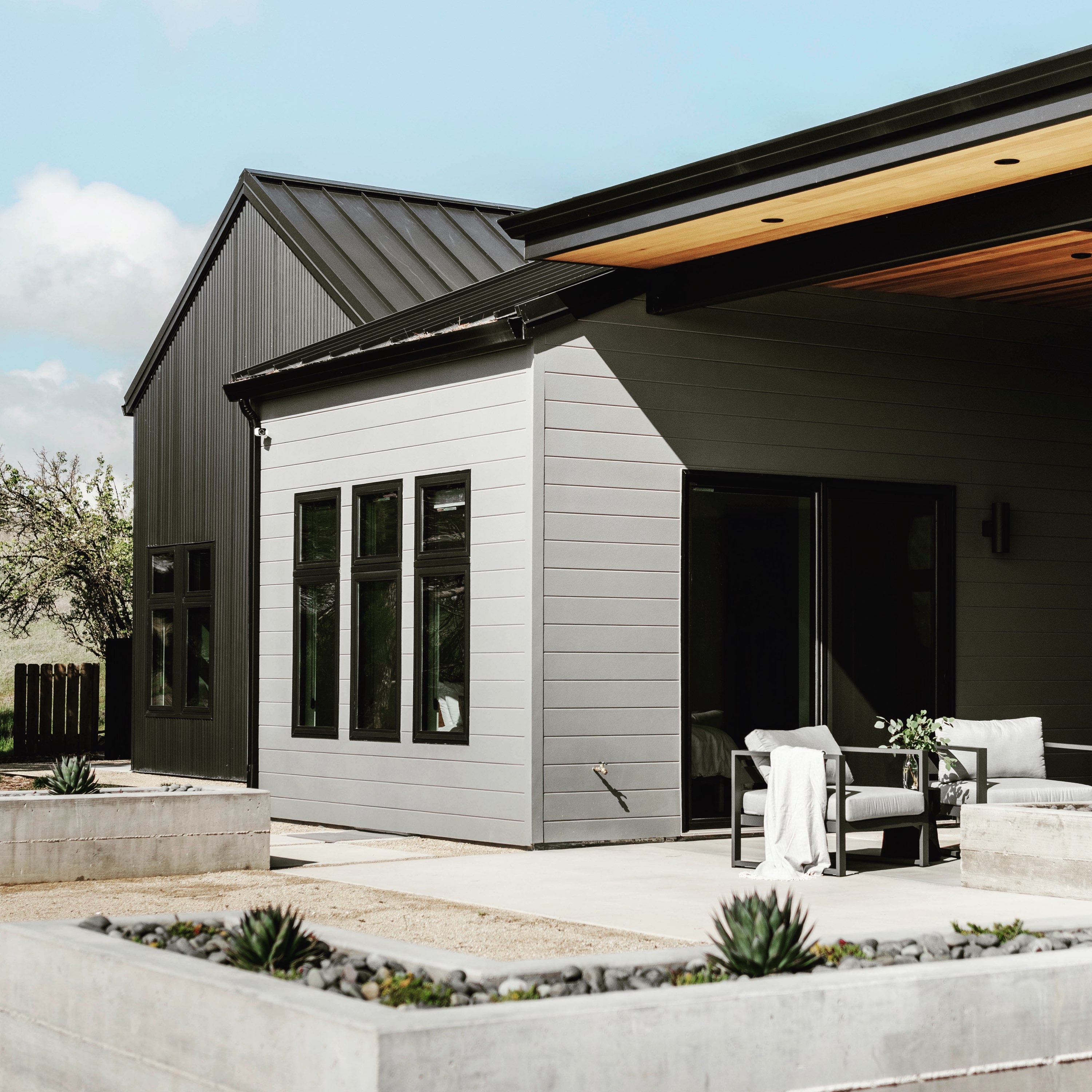
The built environment significantly influences the natural world and human well-being. As the demand for new construction grows, it becomes increasingly important to adopt practices that minimize environmental impact while enhancing the quality of life for occupants. Sustainable architectural design addresses these concerns by integrating ecological responsibility, resource efficiency, and long-term viability into the planning and construction of buildings. This approach not only reduces negative environmental effects but also offers economic and social benefits, making it a critical consideration for modern architectural projects.
Principles of Sustainable Architectural Design
Sustainable architectural design involves a comprehensive approach that considers the entire lifecycle of a building. This includes site selection, material sourcing, energy consumption, water management, and indoor environmental quality. Key principles include:
Energy Efficiency: Designing buildings to reduce energy use through insulation, natural ventilation, and the incorporation of renewable energy sources such as solar panels.
Resource Conservation: Utilizing materials that are recycled, locally sourced, or have low environmental impact. This reduces the carbon footprint associated with transportation and manufacturing.
Water Efficiency: Implementing systems for rainwater harvesting, greywater recycling, and low-flow fixtures to minimize water consumption.
Indoor Environmental Quality: Ensuring adequate natural light, air quality, and thermal comfort to promote occupant health and productivity.
Site Responsiveness: Designing buildings that harmonize with their surroundings, preserving natural habitats and reducing soil erosion.
By adhering to these principles, architects and developers can create structures that are both functional and environmentally responsible.

Benefits of Sustainable Architectural Design
The adoption of sustainable architectural design offers multiple advantages that extend beyond environmental preservation. These benefits include:
Cost Savings: Energy-efficient buildings reduce utility bills through lower heating, cooling, and lighting costs. Over time, these savings can offset initial investments in sustainable technologies.
Enhanced Market Value: Properties designed with sustainability in mind often command higher resale values and attract environmentally conscious tenants or buyers.
Regulatory Compliance: Many jurisdictions have introduced stricter building codes and incentives for green construction. Sustainable design ensures compliance and may qualify projects for tax credits or grants.
Improved Occupant Well-being: Buildings that prioritize natural light, air quality, and thermal comfort contribute to better health outcomes and increased productivity for occupants.
Reduced Environmental Impact: By minimizing energy consumption and waste, sustainable buildings help mitigate climate change and preserve natural resources for future generations.
These benefits demonstrate that sustainable architectural design is not only an ethical choice but also a strategic business decision.
What is the difference between green architecture and sustainable architecture?
While the terms "green architecture" and "sustainable architecture" are often used interchangeably, there are subtle distinctions between them. Green architecture primarily focuses on reducing the environmental impact of buildings through eco-friendly materials and energy-efficient systems. It emphasizes immediate environmental benefits such as reducing carbon emissions and conserving water.
Sustainable architecture, on the other hand, encompasses a broader perspective. It integrates environmental, economic, and social considerations to ensure that buildings are viable and beneficial over the long term. This includes lifecycle analysis, community impact, and adaptability to future needs. Sustainable architecture aims to create a balance between human activity and the natural environment, ensuring that development does not compromise the ability of future generations to meet their needs.
Understanding these differences is essential for making informed decisions about design strategies and project goals.

Practical Strategies for Implementing Sustainable Architectural Design
Implementing sustainable architectural design requires a multidisciplinary approach and careful planning. The following strategies can guide the process:
Conduct a Site Analysis: Evaluate the local climate, topography, vegetation, and existing infrastructure to optimize building orientation and minimize environmental disruption.
Select Sustainable Materials: Choose materials with low embodied energy, high durability, and recyclability. Examples include bamboo, reclaimed wood, recycled metal, and low-VOC paints.
Incorporate Passive Design Techniques: Utilize natural ventilation, daylighting, and thermal mass to reduce reliance on mechanical systems.
Integrate Renewable Energy Systems: Install solar panels, wind turbines, or geothermal systems to generate clean energy on-site.
Implement Water Management Solutions: Design landscaping with drought-resistant plants, install rain gardens, and use permeable paving to manage stormwater.
Optimize Building Systems: Use energy-efficient HVAC systems, LED lighting, and smart controls to monitor and reduce energy consumption.
Engage Stakeholders: Collaborate with clients, contractors, and community members to ensure that sustainability goals align with user needs and local regulations.
By following these steps, architectural projects can achieve measurable sustainability outcomes while meeting functional and aesthetic requirements.
The Role of Technology in Advancing Sustainable Architectural Design
Technological advancements have significantly enhanced the capacity to design and construct sustainable buildings. Innovations such as Building Information Modeling (BIM) allow architects to simulate energy performance, daylighting, and material usage before construction begins. This enables optimization and reduces waste.
Smart building technologies, including automated lighting, climate control, and occupancy sensors, contribute to ongoing energy efficiency. Additionally, advances in materials science have produced high-performance insulation, low-emissivity glass, and self-healing concrete, which improve building durability and reduce maintenance needs.
The integration of these technologies supports the creation of buildings that are not only sustainable but also adaptable to changing environmental conditions and user requirements.
Moving Forward with Sustainable Architectural Design
The future of architecture lies in the ability to harmonize human needs with environmental stewardship. Sustainable architectural design represents a critical pathway toward achieving this balance. By embracing principles that prioritize energy efficiency, resource conservation, and occupant well-being, the built environment can contribute positively to ecological and social systems.
For those involved in the development and construction of commercial and residential projects, adopting sustainable practices is both a responsibility and an opportunity. It is essential to engage with experienced professionals who understand the complexities of sustainable design and can deliver solutions tailored to specific contexts.
As the demand for environmentally conscious buildings continues to grow, firms like Studio Prime Architecture (SP-ARC) are positioned to lead the way. Their expertise in high-end architectural design, combined with deep knowledge of construction and development, ensures that projects not only meet but exceed sustainability standards, elevating the entire building experience.
For more information on how to integrate sustainable principles into your next project, consider exploring resources on sustainable architecture.


Comments